What Is Dental Sedation?
Dental sedation uses medication to help reduce stress or anxiety during dental care. A dentist may discuss it when fear makes it hard to attend appointments or when a procedure feels difficult to manage without extra support.
Sedation does not always mean being asleep. With conscious sedation, many people remain awake and can respond to instructions. It also does not replace local anesthetic, the medicine used to numb the teeth and gums during treatment. The Cleveland Clinic’s guide to dental sedation explains these differences.
At 3D Dental’s Montauk Highway office in Mastic, Dr. Eran Arvilli, DDS, offers gentle sedation options for anxious patients. The practice has not specified which methods are available, so ask the team what may suit your health, concerns, and planned care.
Who May Be a Good Candidate for Sedation?
 Dental sedation may be worth discussing if anxiety makes it hard to get care or feel comfortable during a visit. Fear of needles, a sensitive gag reflex, difficulty sitting still, or a lengthy procedure may also be reasons to ask about it.
These concerns are a starting point for a conversation, not a guarantee that sedation is right for you. A dentist will consider your health, medicines, allergies, anxiety, planned care, and preferences before discussing whether it may be suitable. Cleveland Clinic’s guidance on dental sedation also recommends discussing individual needs with your dentist.
At 3D Dental’s Montauk Highway office in Mastic, Dr. Eran Arvilli offers gentle sedation options for anxious patients and aims to provide calm, judgment-free care. He earned his DDS from Stony Brook School of Dental Medicine and has cared for Mastic families for more than 25 years.
You can share what worries you, ask which options are available, and discuss what to expect. Dr. Arvilli can review your health history and planned treatment with you before deciding whether sedation may help. Learn more about how sedation may help anxious patients receive needed care.
What Happens During a Sedation Visit?
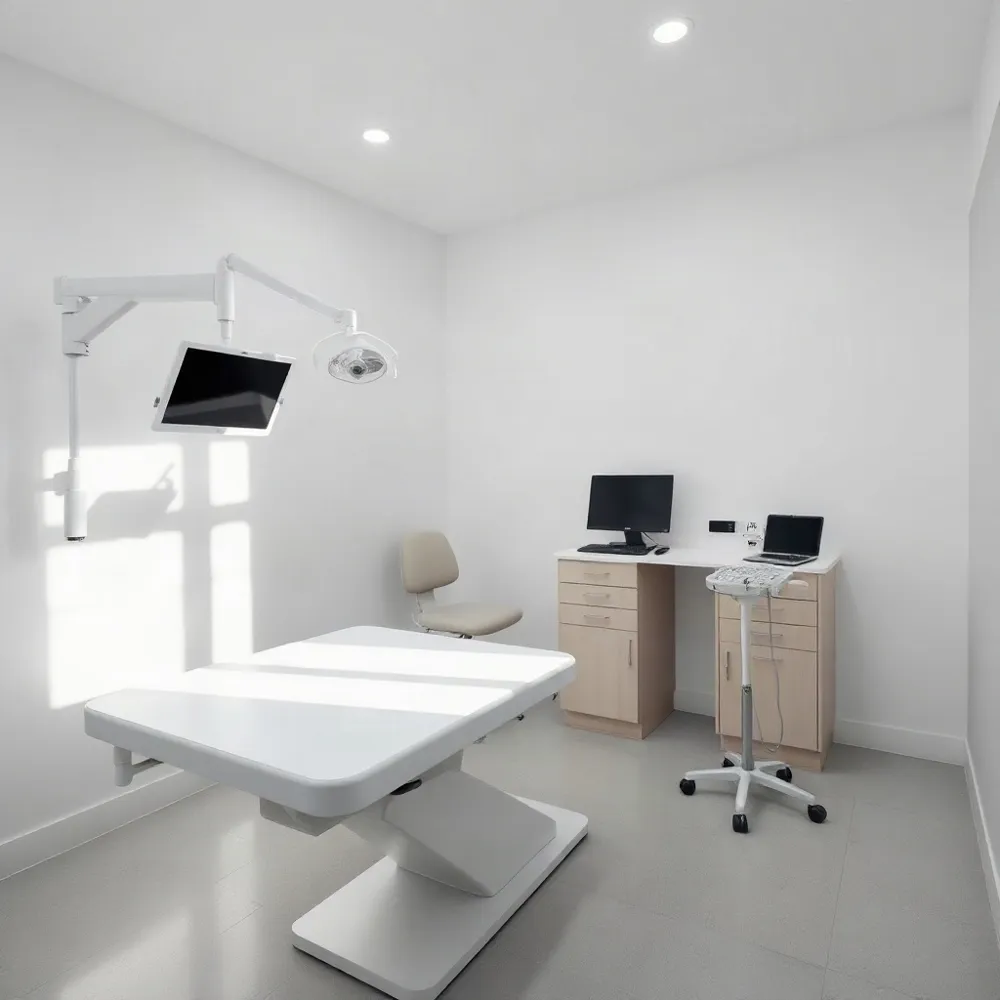 Before a visit with dental sedation, your dentist reviews your health history and planned care. You can discuss your concerns, the sedation option being considered, preparation, and what you may feel during treatment.
The exact steps depend on the sedation method and your health. During treatment, the dental team observes you and uses monitoring suited to your care plan. Sedation can help reduce anxiety, but it does not numb your teeth or gums; local anesthetic may still be used to control pain.
After the visit, follow your dentist’s instructions, including any directions about getting home and when to return to normal activities. Ask about these details beforehand so you can plan for recovery.
Dr. Eran Arvilli earned his DDS from Stony Brook School of Dental Medicine and has cared for Mastic families for more than 25 years. At the Montauk Highway office in Mastic, he and his team can answer questions in a calm, judgment-free setting.
Will I Be Asleep or Feel Discomfort?
Dental sedation does not always mean you will be asleep. With conscious sedation, most patients remain awake and able to respond, though they may feel calmer or drowsy. The exact experience depends on the approach used and your individual circumstances, as Cleveland Clinic explains.
Sedation helps ease anxiety, but it does not replace local anesthetic, which numbs the teeth and gums to help manage pain. Tell your dental team if you feel discomfort during treatment so they can respond.
If you are considering a root canal, ask whether sedation may be appropriate and how comfort will be managed. Dr. Eran Arvilli, DDS, can explain the options available at the Montauk Highway office in Mastic. The practice offers gentle sedation options for anxious patients, but ask the team which methods are available rather than assuming a specific one is offered.
What Safety Questions Should I Ask?
Ask your dentist what type of sedation they recommend, who will monitor you, and what side effects to watch for. Also, tell your dentist about your health conditions, allergies, and any medications you take. This information helps them plan the safest approach for you.
Possible risks of sedation can include changes in breathing, heart rate, or blood pressure. The risks vary by person and by the type of sedation used. The American Dental Association provides guidance on sedation safety.
Before sedation, share your full health history with your dentist. This includes any past problems with sedation or anesthesia. The American Dental Association recommends reviewing a patient’s health and medication history before sedation.
You can ask what level of sedation is being considered and who will monitor you. Ask what side effects or warning signs to watch for and whom to contact if you have concerns. Follow your dentist’s specific instructions before and after treatment.
Dr. Eran Arvilli, DDS, can discuss whether sedation may be appropriate and explain the options available at 3D Dental. The practice offers sedation options for anxious patients and same-day emergency visits for urgent needs. For routine care, Dr. Arvilli also provides checkups and cleanings.
How Should I Prepare and Recover?
 Preparation and recovery depend on the sedation option being considered and your health. Ask your dentist for personal instructions rather than relying on general advice online.
Before your appointment, ask whether you need to change when you eat or drink, how to take your usual medicines, and whether someone should drive you home. Following your dentist's instructions is the most important step.
Some forms of sedation can cause drowsiness or affect activities such as driving, so ask how much time to set aside and what limits apply afterward. Your dentist can also tell you what to expect during recovery and whom to contact if you have a concern.
At the Montauk Highway office in Mastic, Dr. Eran Arvilli, DDS from Stony Brook School of Dental Medicine, can review the plan and instructions with you before treatment. He has cared for Mastic-area families for more than 25 years, and 3D Dental offers gentle sedation options for anxious patients.
How should I prepare for dental sedation, and what should I expect afterward?
Ask about food and drink, medicines, transportation, and recovery time before your visit. Follow Dr. Arvilli’s instructions, which may include arranging a ride or resting afterward, and contact the office if you are unsure what to do.
Frequently Asked Questions
What should I eat or drink before sedation?
Your dentist will tell you if you need to avoid food or drink for a certain time before your appointment. Follow their instructions exactly.
Can I take my regular medications?
Ask your dentist about your usual medicines before the day of your visit. Some may need to be adjusted.
Will I need someone to drive me home?
Many forms of sedation can make you drowsy. Ask your dentist whether you should arrange a ride.
How long does recovery take?
Recovery time varies. Your dentist can give you an idea of what to expect and when you can return to normal activities.
What should I do if I feel discomfort after?
Mild soreness is possible. Follow your dentist’s aftercare instructions and call the office if you have concerns.
Book a visit with Dr. Arvilli at 3D Dental in Mastic, or call (631) 772-7379. Se habla español.
What Should I Know About Coverage?
Dental insurance may cover wisdom tooth removal, but coverage depends on your plan and the care you need. Coverage for the procedure does not always include a separate sedation fee, so ask about both before treatment.
Your plan may consider the type of sedation, why it is recommended, plan limits, and your share of the cost. It may also require approval in advance. Check with your insurer and dental office before scheduling, since coverage and out-of-pocket costs cannot be guaranteed.
3D Dental accepts most dental insurance and offers financing, but your benefits and eligibility depend on your plan and circumstances. The team can help review your options and answer questions about insurance and financing.
Does dental insurance cover wisdom tooth removal, and what affects the cost?
Coverage varies by plan and by the care being provided. Ask whether sedation is covered separately, whether limits or cost-sharing apply, and whether advance approval is needed.
Dr. Eran Arvilli, DDS from Stony Brook School of Dental Medicine, has over 25 years of experience caring for Mastic families, including wisdom tooth removal and other oral surgery procedures. His team can discuss your questions at the Montauk Highway office in Mastic. Dr. Arvilli and his team are here to help you understand your coverage options.
Frequently asked questions about dental coverage
Does dental insurance cover wisdom tooth removal?
Coverage depends on your plan. Many plans cover a portion of the cost, but you may have a waiting period or annual maximum.
Is sedation covered by insurance?
Sedation may be covered if it is medically necessary. Check with your plan and the dental office beforehand.
What if I don't have insurance?
3D Dental offers a membership plan and financing options. Ask the team for details.
How can I find out what my plan covers?
Call your insurance provider or ask Dr. Arvilli's team to help verify your benefits.
Does Dr. Arvilli accept my insurance?
3D Dental accepts most dental insurance plans. Contact the office to confirm.
What should I do before my appointment?
Follow any pre-treatment instructions from your dentist. If sedation is planned, arrange for a ride home.
Book a visit with Dr. Arvilli at 3D Dental in Mastic, or call (631) 772-7379. Se habla español.
What Is the Next Step?
If you feel nervous, tell your dentist what worries you and ask which options are available. Review your health history, preparation, and recovery plan together. Dr. Eran Arvilli offers gentle sedation options at his Mastic practice, but the right plan depends on your needs.
Frequently Asked Questions
- What does conscious sedation mean? You are generally awake and able to respond, though you may feel calmer.
- Will I still need numbing? Sedation may reduce anxiety, while local anesthetic numbs the treatment area.
- What should I tell my dentist? Share your health conditions, medications, allergies, and concerns.
- How do I learn which options are available? Ask the dental team before planning treatment.
Book a visit with Dr. Arvilli at 3D Dental in Mastic. Call (631) 772-7379. Se habla español.