What Can I Expect After Implant Surgery?
After dental implant surgery, mild soreness, swelling, bruising, or light bleeding can occur. Each person’s recovery is different, so symptoms and healing pace may vary.
These effects are common after treatment, according to Guy’s and St Thomas’ NHS guidance on dental implants. Follow the instructions from the dentist who treated you, since care depends on your procedure and health.
The first days are about protecting the surgical area while it begins to heal. The implant also needs time to bond with the jawbone, a process called osseointegration. Dr. Eran Arvilli, a DDS graduate of Stony Brook School of Dental Medicine, has cared for Mastic families for more than 25 years. Follow his specific guidance, or contact the Montauk Highway office in Mastic if you have questions.
What Is Normal During Early Healing?
 After implant surgery, you may notice soreness, swelling, bruising, or a little bleeding that can make your saliva look pink. These effects are possible, but not everyone has them, and recovery depends on the procedure and the person.
Symptoms should generally ease over time, rather than become more painful or swollen. A cool pack wrapped in cloth may help with swelling; follow your dentist’s instructions about when and how to use one. Guy’s and St Thomas’ NHS aftercare guidance also advises patients to contact their dental team if bleeding does not stop.
The gum may look better before the implant has finished healing beneath it. Follow-up visits and regular checkups give your dentist a chance to check the site and guide you through the next stage. At 3D Dental’s Montauk Highway office in Mastic, Dr. Eran Arvilli, a Stony Brook School of Dental Medicine graduate with more than 25 years of experience caring for Mastic families, can answer questions about your recovery and offers sedation options for anxious patients.
Keep following your own dentist’s directions for food, mouth care, and medication, since the right plan can vary. If symptoms worsen or you are unsure whether something is normal, contact your dental team rather than waiting for the next appointment. Dr. Arvilli and his team are here to support you through every step of your healing.
How Should I Care for My Mouth?
Follow the aftercare plan from the dentist who performed your dental implant surgery. Your instructions will explain when to brush, rinse, and use gauze, since the timing can depend on the procedure.
At first, avoid disturbing the surgical area. Once your dentist says it is appropriate, clean gently around the site and use any prescribed rinse exactly as directed. Do not start a rinse or brush directly over the area based only on general advice.
Take prescribed medicine only as directed, and ask your dental team if you are unsure about a dose or whether a medicine is right for you. Follow your dentist’s guidance on smoking and physical activity, too, since those instructions may reflect the details of your treatment.
Dr. Eran Arvilli, DDS, earned his degree from Stony Brook School of Dental Medicine and has cared for Mastic families for more than 25 years. At the Montauk Highway office, patients can ask the team how to keep the surgical area clean and when to return for checkups and cleanings.
How should I care for my mouth after dental implant surgery?
Follow the instructions from your dentist. They will tell you when to brush, rinse, and use gauze; afterward, clean gently as directed and take prescribed medicine according to their instructions. If something about the site or your care plan concerns you, contact the dental office rather than trying to adjust the area yourself.
For practice-specific guidance or to arrange care, book a visit with Dr. Arvilli at 3D Dental in Mastic, call (631) 772-7379, or ask the bilingual team for help. Se habla español.
What Can I Eat While the Site Heals?
 Choose soft foods that are easy to chew after dental implant surgery, and follow the food instructions from your own dentist. Applesauce, mashed potatoes, oatmeal, and soft eggs may be easier to manage while your mouth is tender.
Avoid chewing directly on the surgical area. If eating causes discomfort or pressure, switch to softer foods and ask your dental team for guidance. The NHS patient guidance on dental implants notes that a dentist may recommend soft foods, with advice tailored to the patient.
Hard, crunchy, sticky, spicy, or very hot foods may irritate the area, so it can help to avoid them early in healing. Do not use a straw unless your dentist says it is safe, since suction may disturb the healing site. Dairy is not automatically off-limits; ask your dentist if nausea or medication instructions affect what you should eat.
There is no single date for returning to your usual diet. Gradually add other foods as comfort improves and Dr. Eran Arvilli’s instructions allow. At the Montauk Highway office in Mastic, the team can answer questions about your individual recovery.
When Can I Return to Work?
There is no single return-to-work schedule after dental implant surgery. The timing depends on the procedure, how you feel as you recover, and what your job requires.
If your work involves heavy lifting, physical labor, or strenuous activity, you may need extra rest or temporary changes to your duties. A procedure involving multiple implants or bone grafting may also affect your recovery plan.
A dental implant is an artificial tooth root placed in your jawbone to support a replacement tooth. Ask the dentist who performed your dental implant surgery when to return and how to increase activity safely.
Follow those instructions rather than relying on a general timeline. If you have questions, Dr. Eran Arvilli, DDS from Stony Brook School of Dental Medicine with over 25 years caring for Mastic families, and the team at 3D Dental’s Montauk Highway office in Mastic can help guide your care. Our bilingual team can discuss your recovery plan in English or Spanish.
How much time should I take off work after dental implant surgery?
Take the time your treating dentist recommends, based on your procedure, symptoms, and job duties. Plan for more recovery time if your work is physically demanding or your treatment included multiple implants or bone grafting, and resume activity only as advised.
Frequently Asked Questions
How long does recovery take after dental implant surgery?
Recovery varies. Most people feel back to normal within a few days, but full healing of the implant with the jawbone takes several months.
Can I drive myself home after surgery?
No. You should arrange for someone to drive you, especially if you received sedation. Follow your dentist's instructions.
What activities should I avoid after surgery?
Avoid heavy lifting, strenuous exercise, and smoking. Your dentist will give you a full list of do's and don'ts.
When can I return to exercise?
Light activity may be okay after a few days, but check with your dentist first. Strenuous exercise should wait until your dentist says it's safe.
Will I need time off for follow-up appointments?
Yes. You may need one or more follow-up visits to check healing. Plan for these when scheduling your return to work.
What if my job is physically demanding?
Talk to your dentist about a gradual return or temporary light-duty options. Every case is different.
Book a visit with Dr. Arvilli at 3D Dental in Mastic. Call (631) 772-7379. Se habla español.
How Can I Tell If Healing Is on Track?
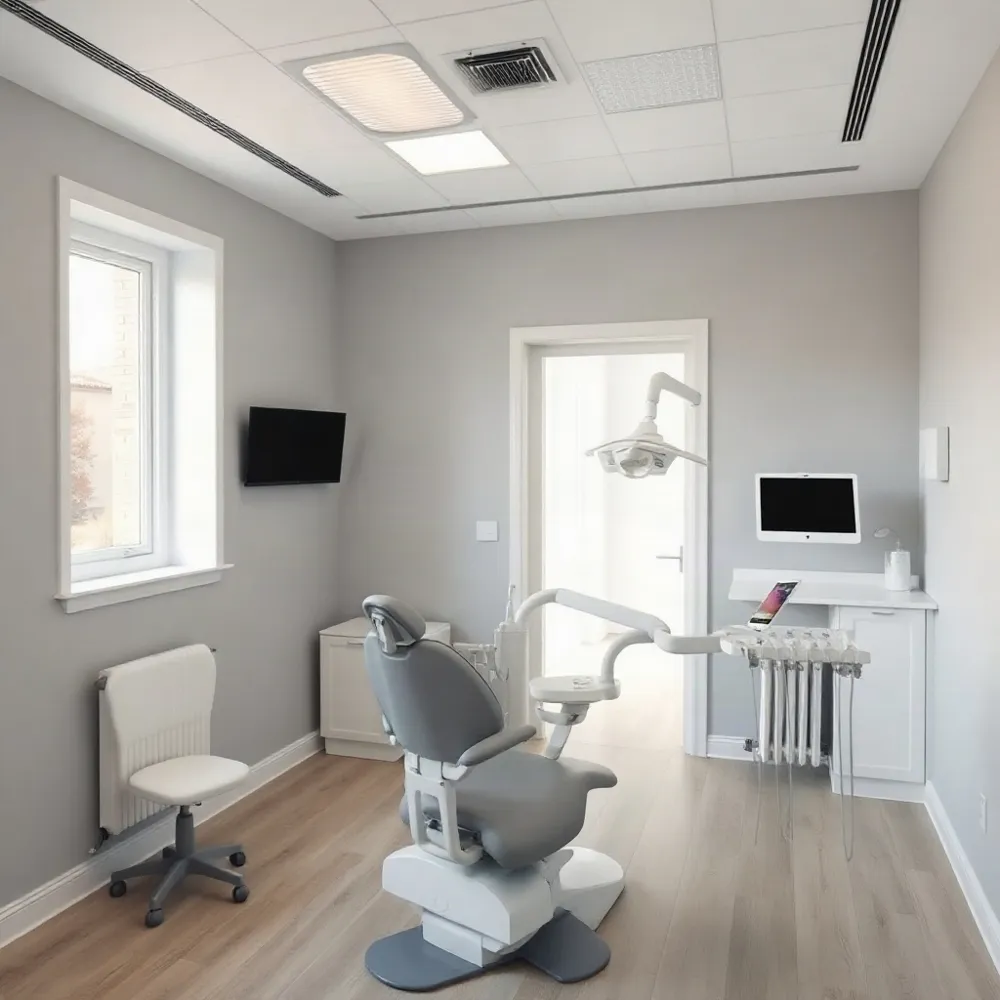 The best way to know whether your dental implant is healing well is to attend the follow-up examination your dental team schedules. Some soreness, swelling, or light bleeding can happen early on, but your symptoms should follow the instructions you were given. Always follow your dentist's specific aftercare instructions.
Do not try to test whether the implant is stable by touching or moving it. Contact your dental team if pain, swelling, or bleeding worsens, fails to improve as expected, or worries you. Call promptly if you notice pus, a fever, or a loose implant or temporary tooth.
As the site heals, the jawbone bonds with the implant in a process called osseointegration. This can take several months, with a general reference range of three to six months, but timing varies from person to person. Your dentist will assess healing before deciding when to move to the next step.
At the Montauk Highway office in Mastic, Dr. Eran Arvilli, DDS from Stony Brook School of Dental Medicine, brings more than 25 years of experience caring for Mastic families. Patients from Mastic Beach, Shirley, and nearby communities can contact the office with questions about their recovery. The bilingual team is available to assist in English or Spanish.
Frequently Asked Questions
How can I tell whether my dental implant is healing well, and when should I contact my dentist? Your follow-up examination is the best way to check. Contact your dentist if symptoms worsen, do not improve as expected, or concern you, and call promptly for pus, fever, or a loose implant or temporary tooth.
How long does it take for a dental implant to fuse with the jawbone? Osseointegration can take several months, with a general range of three to six months. Your dentist will assess your healing and decide when to plan the next step.
What should I do if I experience severe pain or swelling? Contact your dentist right away. Severe symptoms may need an emergency visit.
Can I eat normally after implant surgery? Stick to soft foods and avoid chewing on the implant site until your dentist says it is safe.
How do I clean the implant site? Gently brush and floss around the area, following your dentist's instructions.
For questions about your recovery, book a visit with Dr. Arvilli at 3D Dental in Mastic, or call (631) 772-7379. Se habla español.
What Else Should I Know?
Aftercare can vary with the procedure and your healing, so follow the instructions from the dentist who placed your dental implant. If you are unsure about a symptom or when to change your routine, ask your dental team rather than relying on a general timeline.
Dr. Eran Arvilli, DDS, has cared for Mastic families for more than 25 years. The team at the Montauk Highway office can answer questions about your procedure and aftercare.
Frequently Asked Questions
Is light bleeding normal? A little bleeding or blood-tinged saliva may happen early on. Follow your dentist’s directions, and contact the dental team if bleeding is heavy or does not settle.
Should I use a straw? Avoid using one unless your dentist says it is safe, because suction may disturb the healing area.
Can I brush the implant site right away? Do not assume a general schedule applies. Ask when to brush near the site and follow your dentist’s cleaning instructions.
What if my temporary tooth feels loose? Contact your dental team for guidance rather than trying to adjust it yourself.
For procedure-specific advice, ask Dr. Eran Arvilli, DDS, and his team. Book a visit with Dr. Arvilli at 3D Dental in Mastic, call (631) 772-7379, or contact the bilingual team. Se habla español.
Follow Your Dentist’s Recovery Plan
Healing after dental implant surgery varies from person to person, so general advice cannot replace the plan from the dentist who treated you. Follow your instructions for medicines, cleaning, eating, and returning to activities, and contact your dental team if you have questions or notice a change that concerns you.
At 3D Dental’s Montauk Highway office in Mastic, Dr. Eran Arvilli brings more than 25 years of experience caring for local families. The team can answer questions about your recovery and arrange a visit if needed.
Book a visit with Dr. Arvilli at 3D Dental in Mastic, call (631) 772-7379, or ask for help in Spanish. Se habla español.