What should I do about sudden tooth pain?
Sudden tooth pain should be checked if it is severe, keeps returning, or comes with swelling or fever. Temporary steps may ease discomfort, but they cannot identify or treat the cause.
An emergency dentistry visit can help a dentist find the source of the pain and discuss care. Cleveland Clinic notes that toothaches can have several causes, and symptoms alone cannot confirm which one is responsible (toothache causes and care).
At 3D Dental, same-week appointments are usually available, and emergency slots are held for toothaches, broken teeth, and lost fillings. Availability can vary, so call to ask about an appointment. The office is on Montauk Highway in Mastic; Dr. Eran Arvilli, DDS, earned his degree from Stony Brook School of Dental Medicine and has cared for Mastic families for more than 25 years.
What can cause sudden tooth pain?
 A sudden toothache can come from decay, a crack, a damaged filling, gum problems, injury, infection, or pressure from a wisdom tooth. Similar symptoms can have different causes, so an examination is needed to find out what is happening.
Toothache means pain in or around a tooth. It may feel dull, sharp, or throbbing, or show up as sensitivity to hot and cold foods or drinks. The pain pattern alone cannot reliably identify the cause, as Cleveland Clinic’s toothache guidance explains.
Grinding or clenching can also cause soreness, while gum irritation or disease may make teeth and nearby tissues painful. Throbbing pain, pain when biting, swelling, a bad taste, fever, or feeling unwell can occur with infection, but pain alone cannot confirm one. Trouble breathing or swallowing requires emergency medical care.
A dentist may ask when the pain began and what makes it worse, then examine your mouth. X-rays may help show problems beneath the gums. At 3D Dental’s Montauk Highway office in Mastic, Dr. Eran Arvilli, DDS, uses digital 3D imaging and diagnostics to support treatment planning when appropriate.
Dr. Arvilli earned his DDS at Stony Brook School of Dental Medicine and has cared for families from Mastic Beach, Shirley, and Manorville for more than 25 years. Contact a dentist promptly for severe or persistent pain, swelling, or fever; the right treatment depends on an examination.
When should I seek care right away?
 Contact a dentist promptly for severe, worsening, or recurring tooth pain, pain that lasts more than a day or two, pain when biting, facial or jaw swelling, a broken tooth, or a lost filling. These signs need an assessment even if the pain comes and goes.
Call a dentist to ask about appointment availability when the problem seems limited to your teeth or gums. At 3D Dental’s Montauk Highway office in Mastic, emergency appointment slots are held for toothaches, broken teeth, and lost fillings, but call to confirm availability. Dr. Eran Arvilli, DDS, has cared for Mastic families for more than 25 years.
Trouble breathing or swallowing, rapidly spreading swelling around the face or neck, a serious facial injury, or severe tooth pain with fever and chills calls for immediate emergency medical care. Do not wait for a dental appointment in these situations. Cleveland Clinic’s dental emergency guidance explains when emergency care is needed.
For tooth pain without these wider medical warning signs, a dentist is usually the right first call. Emergency rooms can help with serious symptoms, but generally do not provide restorative dental procedures such as fillings or crowns, so dental follow-up may still be needed.
What can I do while arranging a visit?
Rinse gently with warm water and floss carefully to clear food that may be trapped between your teeth. If the pain followed an injury or there is swelling, hold a cold compress against the outside of your cheek. These steps may ease discomfort temporarily, but they do not treat its cause.
An over-the-counter pain reliever may help if it is appropriate for you. Follow the product label and your dentist’s instructions, and do not place aspirin or another painkiller directly against a tooth or gum, since it can burn the tissue. Mayo Clinic’s toothache first-aid guidance also recommends warm-water rinsing and gentle flossing while arranging dental care.
Call to arrange an emergency dental visit, rather than relying on home care or waiting to see whether the pain passes. At 3D Dental’s Montauk Highway office in Mastic, emergency appointment slots are held for toothaches, broken teeth, and lost fillings. Dr. Eran Arvilli, DDS, has cared for Mastic families for more than 25 years; his team can examine the tooth and discuss whether treatment such as a filling is appropriate.
What if the pain fades or returns?
Tooth pain can ease when temporary irritation settles or a trigger is gone, but relief does not always mean the cause has healed. A cavity (a hole from decay) or infection (bacteria inside the tooth) may hurt on and off while the underlying problem remains, so returning pain deserves attention.
Contact a dentist if pain returns or comes with swelling, fever, or pain when chewing. An exam helps identify the cause and whether treatment is needed. At 3D Dental’s Montauk Highway office in Mastic, Dr. Eran Arvilli, DDS from Stony Brook School of Dental Medicine, and his team usually have same-week appointments and hold emergency slots for toothaches, serving patients from Mastic Beach and Shirley.
Treatment depends on what the exam finds and whether the tooth can be saved. A small area of decay may need a tooth-colored filling (a composite resin that matches your tooth color); infection inside a tooth may call for a root canal (a procedure to clean the tooth's inner chamber), while extraction (removing the tooth) may be considered if the tooth cannot be restored. Dr. Arvilli has cared for Mastic families for more than 25 years.
Why might tooth pain go away on its own?
Temporary irritation can settle, but fading pain does not confirm that a cavity, crack, or infection has healed. Arrange a dental assessment if discomfort returns or you notice swelling, fever, or pain when chewing.
What happens at the first dental visit?
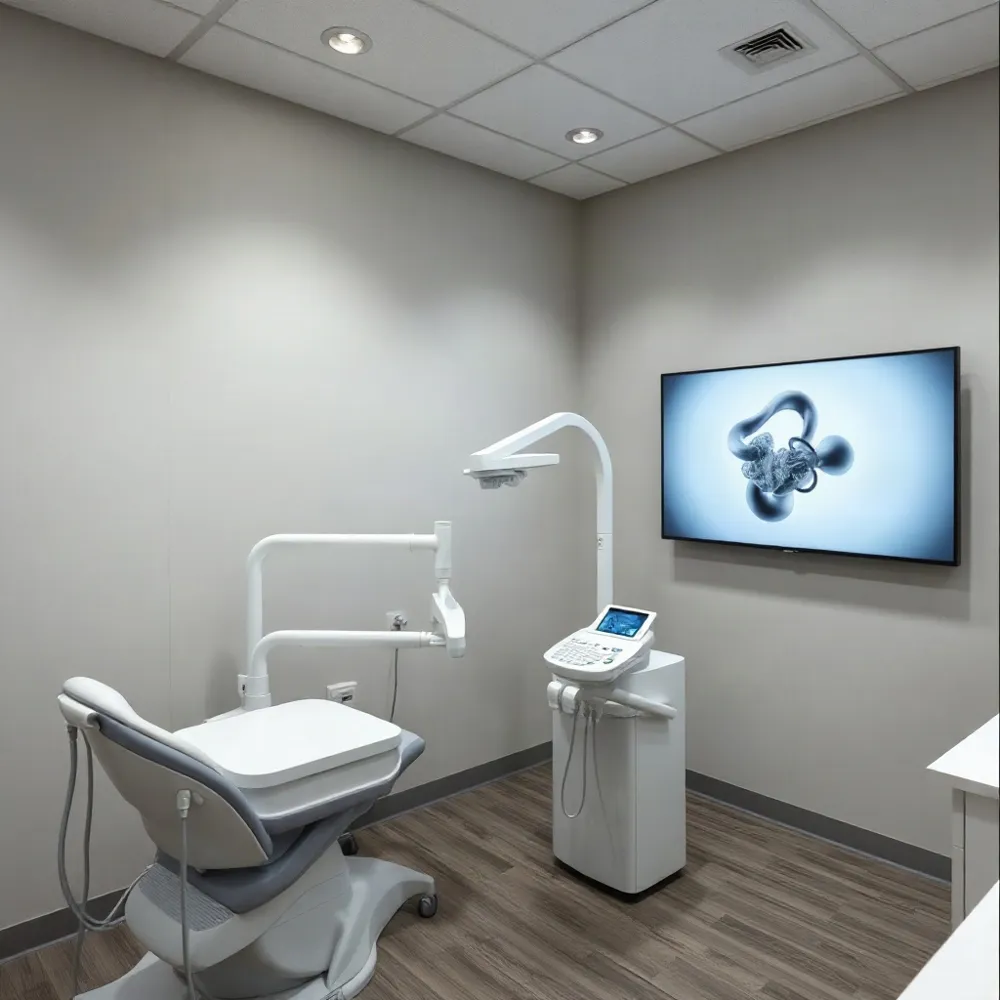 At your first dental visit, the dentist will ask about your symptoms and examine your teeth and gums. If you have tooth pain, X-rays may help show problems that are not visible during the exam. The findings guide the next steps, and the Cleveland Clinic explains how toothaches are assessed.
An infected tooth does not always need to be removed. Depending on the damage and whether the tooth can be saved, treatment may include a root canal (a treatment to remove infected pulp from inside the tooth) or a tooth-colored filling (a composite resin filling that matches your tooth color); extraction may be considered if the tooth cannot be saved. The dentist can explain the options and what to expect, without assuming that treatment will happen during the first visit.
At 3D Dental’s Montauk Highway office in Mastic, same-day emergency care is offered and emergency appointment slots are held for toothaches, broken teeth, and lost fillings. Availability and treatment depend on the examination. Dr. Eran Arvilli, DDS from Stony Brook School of Dental Medicine, has cared for families in the Mastic community for more than 25 years.
Will a dentist remove an infected tooth during the first visit?
Sometimes, but not always. The dentist examines the tooth and may take X-rays before recommending care. A root canal or extraction may be considered, depending on whether the tooth can be saved and what treatment is appropriate.
What should I do if tooth pain starts on a weekend?
Call your dentist, describe the pain and any swelling or injury, and follow the office’s advice. 3D Dental holds emergency appointment slots, but availability can vary, so call (631) 772-7379 to ask what care may be available. Trouble breathing or swallowing calls for emergency medical care.
How do I know if I need a root canal?
The dentist will examine the tooth and may take X-rays to see if the pulp is infected. Symptoms like persistent pain, sensitivity, or swelling can indicate the need for a root canal. Your dentist can explain the findings and recommend the best treatment.
Does 3D Dental accept my insurance?
3D Dental works with many insurance plans and also offers a membership plan for patients without insurance. You can call the office or visit the insurance and financing page to learn more. The team can help you understand your coverage before your visit.
Can I get sedation if I am anxious about dental treatment?
Yes, 3D Dental offers sedation options to help anxious patients feel more comfortable during treatment. Talk to Dr. Arvilli about your concerns, and the team will explain what options are available. Always follow your dentist’s instructions before and after sedation.
Book a visit with Dr. Eran Arvilli at 3D Dental in Mastic, call (631) 772-7379. Se habla español.
How can I arrange prompt dental care?
If tooth pain persists, returns, or feels severe, contact a dentist rather than relying only on temporary home care. A dental exam can help identify the cause and determine whether treatment such as a root canal or tooth-colored filling may be appropriate. Cleveland Clinic notes that pain can come and go even when the underlying problem remains unresolved.
3D Dental serves Mastic and nearby South Shore communities, including Mastic Beach and Shirley. The practice usually has same-week appointments and reserves emergency slots for toothaches, broken teeth, and lost fillings.
Book a visit with Dr. Arvilli at 3D Dental in Mastic. Call (631) 772-7379. Se habla español.