Oral Surgery
Wisdom Tooth Removal
Impacted or crowding wisdom teeth are one of the most common reasons for a dental surgery referral — and one we handle routinely.
Book Appointment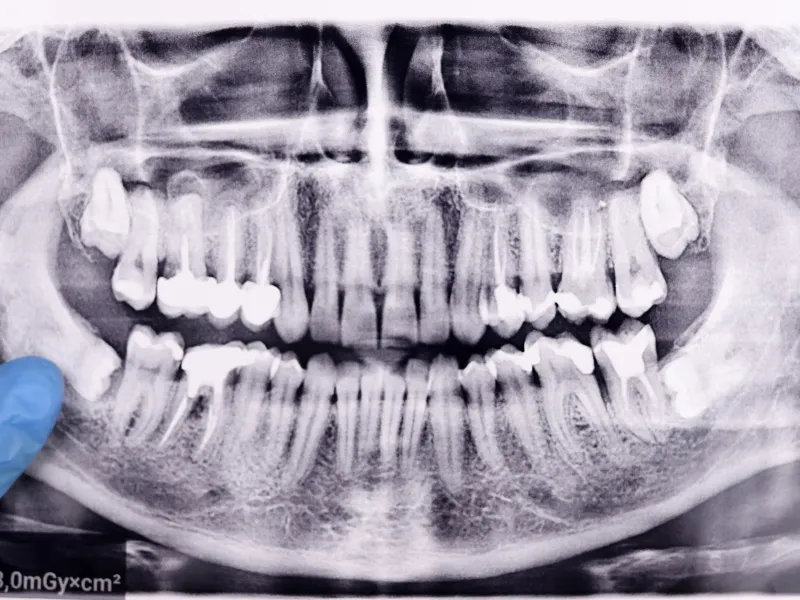
Wisdom teeth — the last set of molars to come in, usually in the late teens or early twenties — often don't have enough room to erupt properly, leading to impaction, crowding, infection, or pain.
We evaluate every case with digital imaging first, since not every wisdom tooth needs to come out. When removal is the right call, we handle it routinely, with clear guidance for a smooth recovery.
Is this right for you?
- Your wisdom teeth are impacted or growing in at an angle
- You have pain, swelling, or pressure in the back of your jaw
- X-rays show your wisdom teeth are crowding other teeth
- Your dentist or orthodontist has recommended removal
What to expect
Imaging & evaluation
Digital imaging shows exactly how your wisdom teeth are positioned relative to nerves and other teeth.
Removal
Teeth are removed under local anesthesia or sedation, based on complexity and your comfort preferences.
Recovery guidance
We send you home with clear aftercare instructions to support smooth, comfortable healing.
FAQ
Questions about wisdom tooth removal
At what age should wisdom teeth be removed?
Most people have them evaluated in their late teens to early twenties, when roots are less developed and recovery tends to be easier.
Do all wisdom teeth need to come out?
Not always — some erupt fully and healthily with enough room. We'll evaluate yours with imaging before recommending removal.
How long is recovery?
Most patients feel back to normal within a few days to a week, with full healing of the gum tissue over a few weeks.
Will I need sedation for wisdom tooth removal?
It depends on the complexity of the case — some patients do well with local anesthetic alone, while more involved impactions often benefit from sedation. We'll discuss the best option for you.
What are the signs my wisdom teeth need attention?
Pain or pressure in the back of the jaw, swelling, difficulty opening your mouth fully, or crowding of nearby teeth are all reasons to have them evaluated.
What should I eat during recovery?
Soft, cool foods like yogurt, mashed potatoes, and smoothies for the first few days, gradually returning to a normal diet as directed at your follow-up.

Ready for a healthier, brighter smile?
New patients are always welcome. Call or send a request — our team will get back to you shortly.