How Can 3D Images Guide Dental Care?
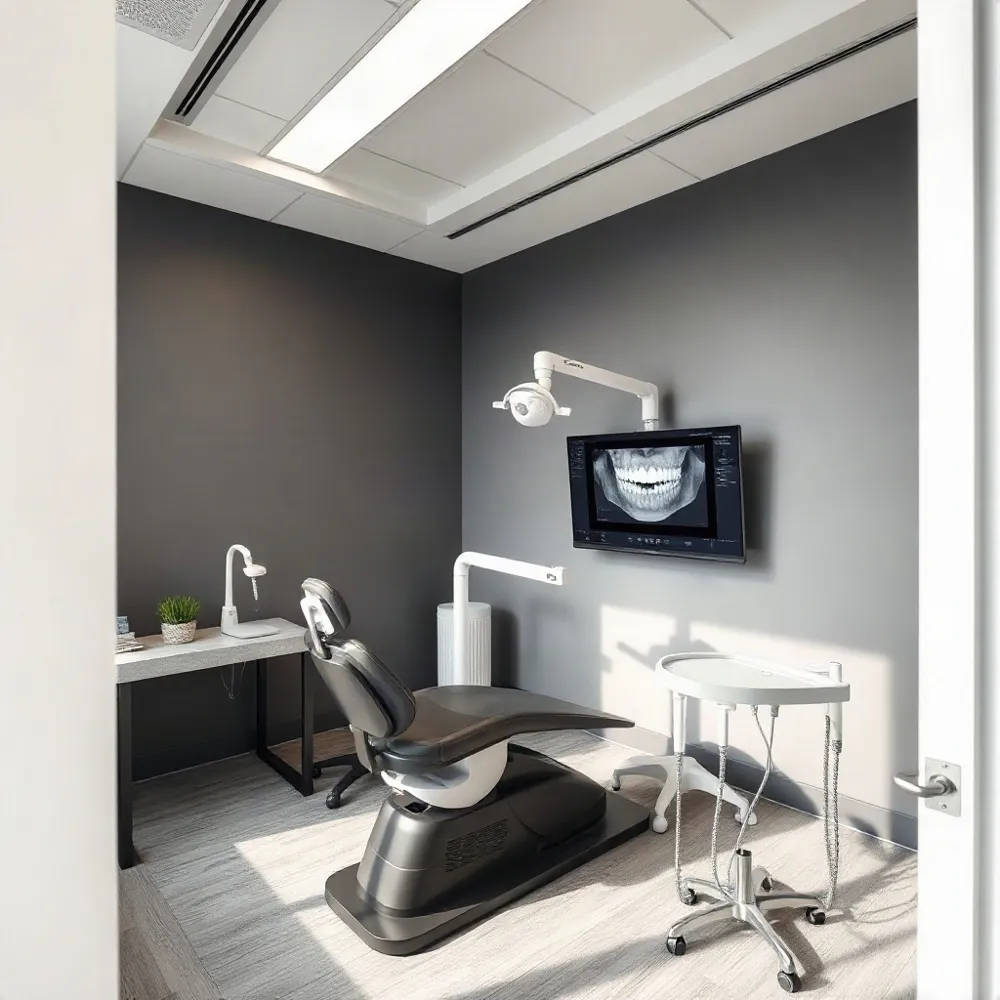
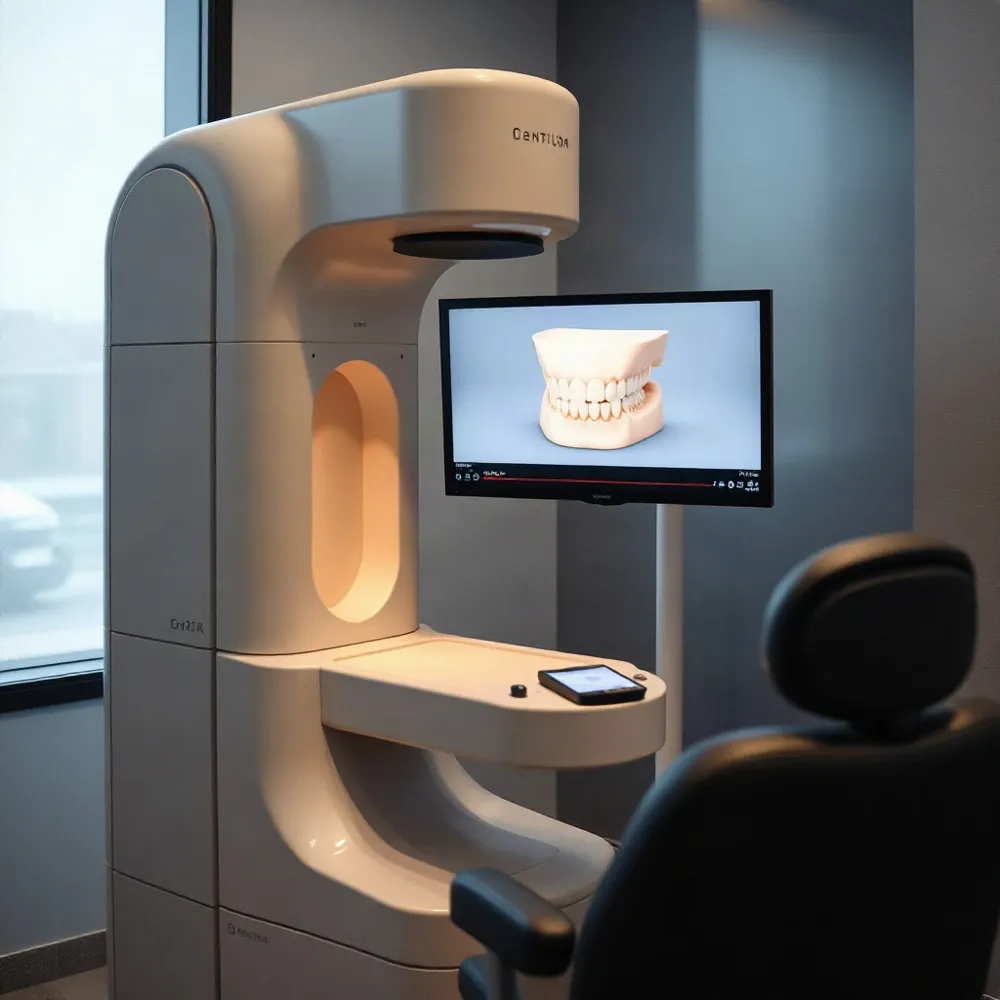
Three-dimensional dental imaging can show teeth, jawbone, and nearby structures from several angles, giving a dentist more detail than a flat X-ray. This information can help guide a diagnosis and treatment plan when the added view is useful.
A 3D scan is one part of a dental exam, not a need for every patient. The dentist weighs whether it may answer a specific question, and an image cannot guarantee a particular treatment result.
At 3D Dental, Dr. Eran Arvilli, DDS, uses digital 3D imaging and diagnostics to support treatment planning. He has cared for Mastic families for more than 25 years, with the office located on Montauk Highway in Mastic.
Cone-beam computed tomography, or CBCT, is one type of 3D dental scan. It uses X-rays to create a three-dimensional view, which can help a dentist assess oral structures that are harder to judge in a flat image.
What Does a Three-Dimensional Dental Image Show?
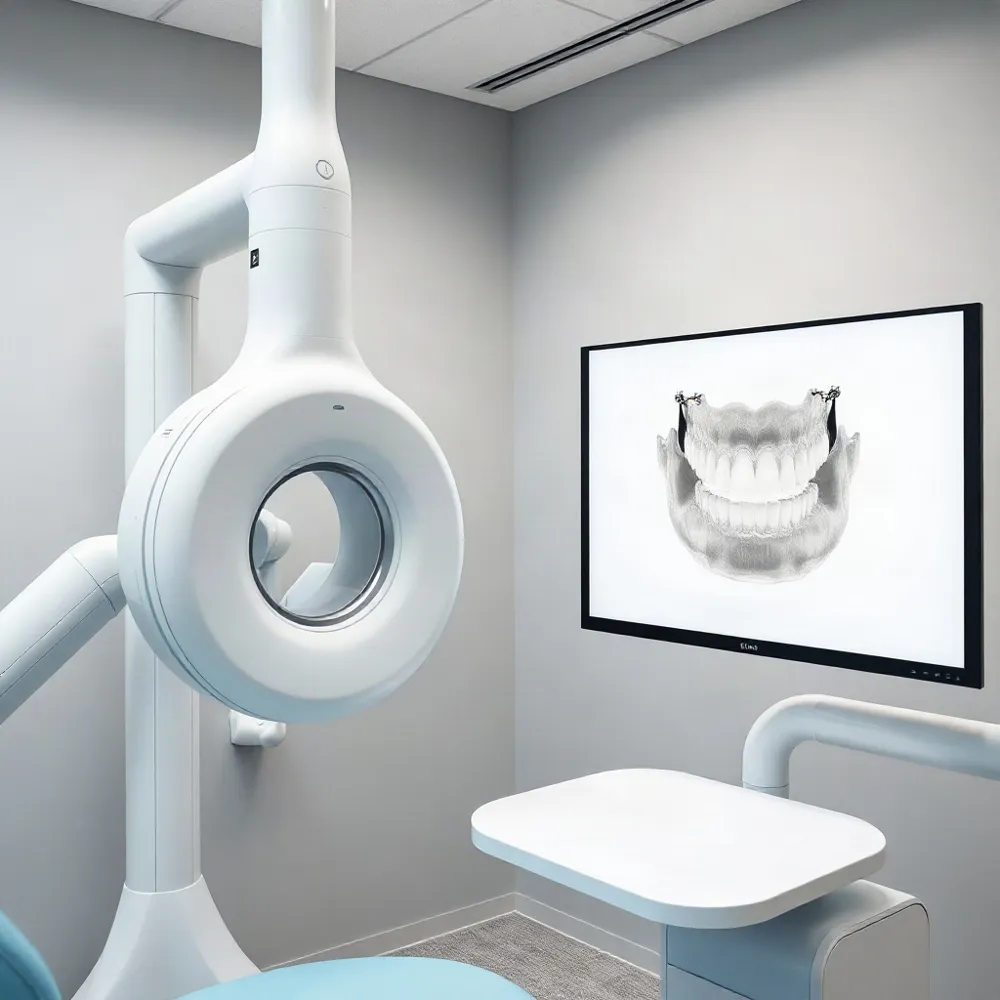 Cone-beam computed tomography, or CBCT, is a type of X-ray imaging that creates a three-dimensional view of dental and facial structures. Whether it is appropriate depends on the information needed for an individual patient’s care.
Many conventional dental X-rays show teeth and nearby structures in two dimensions. A CBCT image can show teeth, jawbone, and surrounding anatomy from different angles, giving the dentist another way to examine how those structures relate to one another. A review of CBCT in dentistry describes how this imaging can support clinical assessment and planning.
This added perspective may help a dentist assess anatomy or a concern that is difficult to evaluate in a flat image. It does not guarantee a diagnosis or replace an exam, and not every patient needs this type of scan.
At 3D Dental’s Montauk Highway office in Mastic, Dr. Eran Arvilli uses digital 3D imaging and diagnostics to support treatment planning. Reviewing images together can help him explain what he sees and discuss possible options, including care such as dental implants or root canals.
When Can a Detailed View Help Plan Treatment?
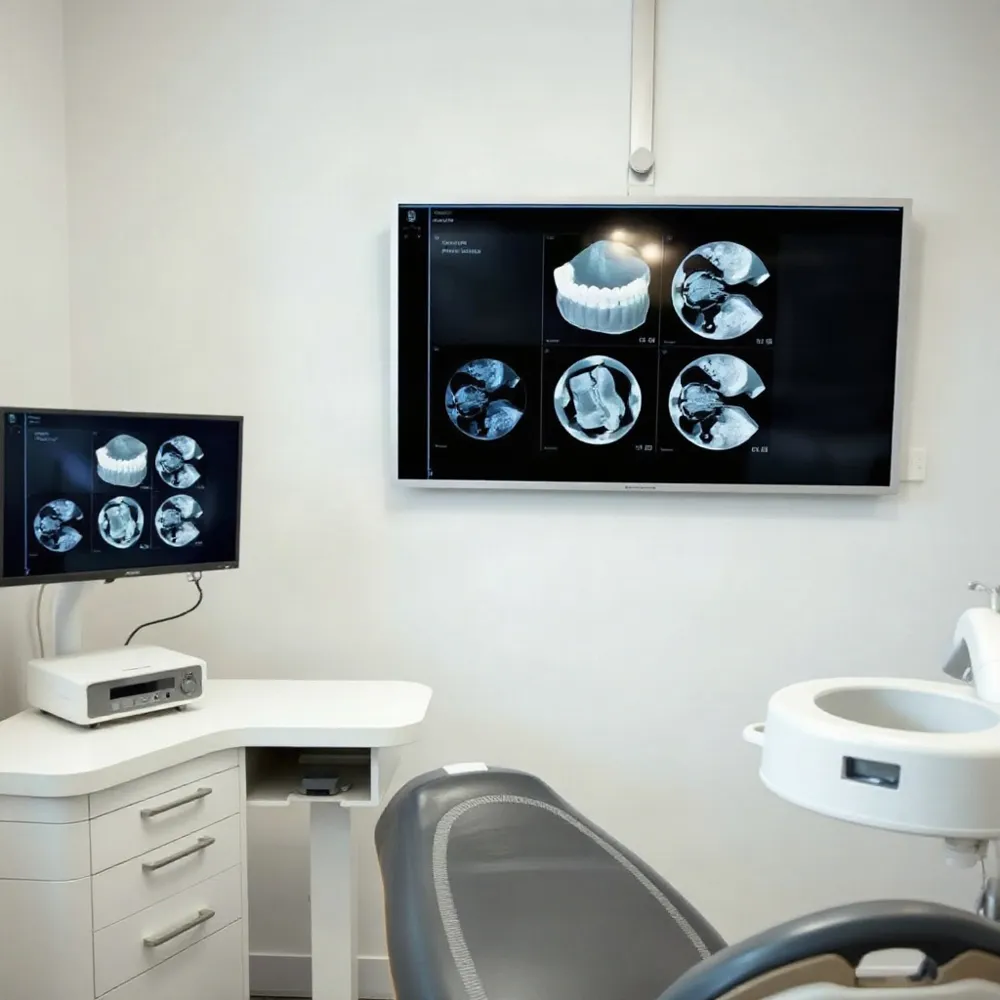 Three-dimensional imaging is a dental X-ray that creates a 3D picture of your teeth and jaw. A dentist may recommend it when a regular dental image does not show enough detail to answer a clinical question. For some patients, conventional images provide the information needed, so a 3D scan is not automatically part of every treatment plan.
How can 3D imaging help with dental implant planning?
Before planning dental implants, a dentist may use a 3D view to assess the jawbone and see nearby structures that could affect placement. This added view can inform decisions, but whether it is needed depends on the patient’s anatomy and the information required for care. Research on this type of imaging describes its role in dental diagnosis and treatment planning.
At 3D Dental’s Montauk Highway office in Mastic, digital 3D imaging and diagnostics are used to support treatment planning. Dr. Eran Arvilli, DDS from Stony Brook School of Dental Medicine, who has cared for Mastic families for more than 25 years, considers imaging alongside an examination and the patient’s needs.
A detailed view may also help assess complex tooth-root anatomy when planning root canals, or show tooth and jaw relationships relevant to Invisalign. The appropriate images depend on the question being assessed.
Imaging supports a dentist’s clinical judgment; it cannot guarantee a result or remove the possibility of complications. Dr. Arvilli can explain why a scan may help, what it can show, and whether another type of image is enough.
How Does a Dentist Weigh Imaging Benefits and Risks?
 A dentist weighs whether a 3D scan is likely to answer a clinical question that a regular dental X-ray cannot. CBCT uses ionizing radiation, and it generally involves more radiation than conventional dental X-ray methods, so it is not automatically the right choice for every patient.
Dental X-rays use a small amount of radiation. The American Dental Association’s discussion of CBCT explains that scans should be justified for the individual and used when the added information can help guide care, rather than as a routine replacement for lower-dose images.
Can dental X-rays increase cancer risk?
There may be some risk from radiation, but the ADA describes the risk of harmful effects from dental X-rays as very small. A CBCT scan generally uses more radiation than a conventional dental X-ray, so its added detail should be useful for diagnosis or treatment planning before it is chosen.
When CBCT is appropriate, limiting the scan to the area that needs review can help optimize exposure. Dr. Eran Arvilli, DDS, a graduate of Stony Brook School of Dental Medicine who has cared for Mastic families for more than 25 years, uses digital 3D imaging and diagnostics to support treatment planning. The research review of cone-beam CT discusses its role in dental diagnosis and planning.
Before an image is taken, ask why it is recommended and what the result may help decide. You can also ask whether earlier images can be shared with the dentist, since a recent, useful image may help avoid an unnecessary repeat scan.
At the Montauk Highway office in Mastic, Dr. Arvilli can explain the reason for a recommended image and how it fits into your care plan. Patients from Shirley and nearby communities can ask questions before agreeing to imaging.
How Often Can I Safely Have Dental X-Rays?
There is no single dental X-ray schedule that fits everyone. Your dentist considers your oral health, symptoms, age, and risk factors to decide when you need an X-ray. The goal is to get the information needed while keeping your exposure as low as possible.
What factors determine how often I need X-rays?
Your dentist looks at your dental history, current symptoms, and risk of cavities or gum disease. Children and adults with ongoing dental issues may need X-rays more often. Dr. Eran Arvilli, DDS, with over 25 years of experience caring for Mastic families, will explain why an X-ray is recommended for your situation.
Are 3D X-rays different from regular X-rays?
Three-dimensional scans, also called cone-beam computed tomography (CBCT), use X-rays to create a detailed image. They are helpful when your dentist needs to see more detail for diagnosis or treatment planning. Dr. Eran Arvilli, DDS, uses digital 3D imaging at his Montauk Highway office in Mastic to get the information needed without unnecessary exposure.
Can I bring X-rays from my previous dentist?
Yes, you can ask your previous dentist to send your X-rays to your new dentist. This can avoid repeating images that were recently taken. Dr. Arvilli will review them and let you know if new images are needed.
How does Dr. Arvilli decide if I need an X-ray?
Dr. Eran Arvilli, DDS, follows guidance from the American Dental Association on X-ray frequency. He considers your individual needs and only recommends an X-ray when it will help with your care. X-rays can also help detect early signs of oral cancer, which is why Dr. Arvilli may recommend oral cancer screening as part of your exam. Patients from Mastic Beach, Shirley, and Manorville trust his judgment for their dental health.
Frequently asked questions
How often should I get dental X-rays?
There is no one-size-fits-all answer. Your dentist will recommend a schedule based on your oral health and risk factors.
Are dental X-rays safe?
Yes, modern digital X-rays use very low radiation. Dentists follow guidelines to keep your exposure as low as possible.
What is the difference between traditional X-rays and 3D scans?
Traditional X-rays show a flat image, while 3D scans give a detailed view of teeth and bone. Your dentist will recommend the type that gives the information needed.
Can I refuse X-rays?
You can, but your dentist may not be able to fully diagnose issues without them. It is important to discuss any concerns with your dentist.
Does insurance cover X-rays?
Most dental insurance plans cover routine X-rays. Check with your provider or ask our team about insurance and financing options.
How do I prepare for dental X-rays?
No special preparation is needed. Just let your dentist know if you are pregnant or have any concerns.
Book a visit with Dr. Arvilli at 3D Dental in Mastic here. Call (631) 772-7379. Se habla español.
What Should I Ask Before an Imaging Appointment?
Before a dental scan, ask what information the image is expected to provide and whether a regular dental X-ray could answer the same question. A three-dimensional scan should be chosen when its added detail can help with diagnosis or treatment planning, not simply as a routine replacement for other images. Clinical guidance on CBCT use recommends weighing the need for the scan in each patient’s situation.
If you have had recent dental images taken elsewhere, ask whether the office can review them before taking new ones. At 3D Dental in Mastic, digital 3D imaging and diagnostics can help Dr. Eran Arvilli plan care, but the right images depend on your needs and the question being assessed.
Ask what to expect and whether you need to prepare. Instructions and scan steps can vary by equipment and provider, so follow the dental team’s directions rather than assuming every appointment works the same way. Dr. Arvilli, a DDS graduate of Stony Brook School of Dental Medicine, can talk through your questions at the Montauk Highway office.
To discuss imaging or arrange a visit, book a visit with Dr. Arvilli at 3D Dental in Mastic, call (631) 772-7379, or ask the bilingual team for help. Se habla español.
What Is the Takeaway About 3D Imaging?
A three-dimensional image can add useful detail when a dentist needs to assess a specific concern or plan treatment. It is not needed for every patient, so the choice should reflect your dental needs and the information a scan can provide.
At 3D Dental in Mastic, Dr. Eran Arvilli uses digital imaging and diagnostics to help plan care. Ask why a scan is recommended and share any concerns about radiation so you can understand the options.
Book a visit with Dr. Arvilli at 3D Dental in Mastic. Call (631) 772-7379. Se habla español.