What Should You Expect as You Heal?
After dental implant surgery, mild soreness, swelling, bruising, or light bleeding can happen during the first few days. These symptoms should generally ease over time, rather than grow worse. Healing varies, so follow your dentist’s instructions for your own procedure.
The gums may begin to look and feel better before the deeper healing is finished. The implant also needs time to bond with the jawbone, a process called osseointegration. Feeling comfortable does not confirm that bonding is complete, so keep any follow-up visits your dentist recommends.
Dr. Eran Arvilli, DDS, earned his degree from Stony Brook School of Dental Medicine and has cared for Mastic families for more than 25 years. At the Montauk Highway office, he can assess your healing and answer questions. This is general guidance, not a diagnosis; contact your dental office if symptoms concern you or are getting worse.
What Does Early Recovery Usually Feel Like?
 After dental implant surgery, the area may feel sore or tender, and you may notice swelling, bruising, or a little blood in your saliva. These changes can be part of early healing, but they do not look or feel exactly the same for everyone.
Swelling and discomfort may be most noticeable around the second or third day. After that, they should generally start to ease, rather than keep getting worse. Mild tenderness can last during early healing, so pay attention to the direction symptoms are moving, not just how the area feels at one moment.
Recovery depends on the procedure and your health, so a general timeline cannot confirm whether your implant is healing as expected. Dr. Eran Arvilli, DDS, who has cared for Mastic families for more than 25 years, can assess your individual healing and explain what is typical for your treatment.
Follow the aftercare instructions from your own dentist, including guidance about cleaning, food, activity, and any prescribed medicine. Keep your follow-up appointments even if you feel well; your dentist can check the site and decide whether further assessment is needed. Research on complications in implant dentistry also underscores why monitoring and professional assessment matter.
Call your dental office if pain or swelling is getting worse instead of easing, or if something feels unusual or worries you. Patients from Mastic Beach and Shirley can contact Dr. Arvilli’s Montauk Highway office in Mastic to discuss concerns and arrange an evaluation. A dental checkup can also help your dentist monitor your oral health as healing continues.
What is recovery like after dental implant surgery?
Recovery varies. Soreness, swelling, bruising, or light bleeding may happen in the first few days and often ease as the area heals. Follow your dentist’s instructions, attend follow-up visits, and call the office if symptoms worsen or you have concerns.
How Does Healing Continue Beneath the Gums?
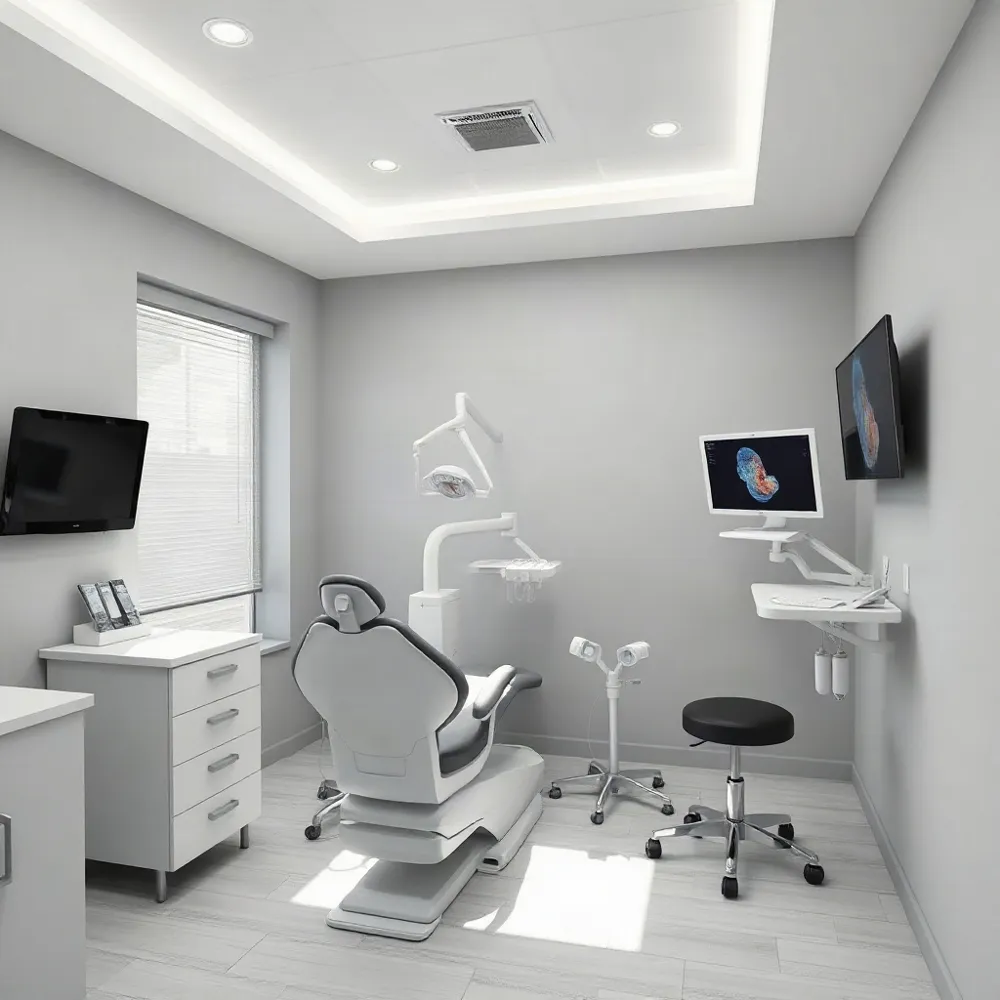 A dental implant can feel comfortable before it has fully healed. The gums may settle and look healthy while the jawbone is still bonding with the implant, so feeling better does not by itself mean it is ready for a crown.
This bone-bonding process is called osseointegration. In plain terms, bone grows around and attaches to the implant, a small post placed in the jaw to support a replacement tooth.
Visible gum healing and deeper bone healing happen on different timelines. The surface may look calmer while the bone is still building a firm connection, which is why your dentist may ask you to protect the area and follow your care instructions even when it feels normal.
An implant often needs several months before a crown is placed, but there is no single date that suits every patient. The treatment plan, your health, the implant’s location, and whether bone grafting or another procedure was needed can all affect the schedule.
Your dentist, rather than comfort alone, determines when the implant is ready for the next step. The assessment may include an examination and imaging when appropriate, along with a check of the implant’s stability. These findings help guide the decision about placing a porcelain crown.
Dr. Eran Arvilli, DDS, earned his degree at Stony Brook School of Dental Medicine and has cared for Mastic families for more than 25 years. At the Montauk Highway office, he can explain what your follow-up checks show and how your individual plan affects timing.
If the area becomes newly painful or swollen, or the implant seems to move, contact your dentist rather than waiting for a scheduled visit. Keep following your dentist’s instructions about eating, cleaning, and activity while healing continues.
What Foods Are Easier During Healing?
Choose foods that are soft and need little chewing while your implant site is healing. Yogurt, scrambled eggs, oatmeal, applesauce, mashed potatoes, soft pasta, and flaky fish can be easier to eat than foods that are firm or chewy.
Cool or lukewarm soup and smoothies may also be comfortable choices. Eat smoothies with a spoon rather than drinking through a straw during early healing, and follow the instructions your dentist gave you for your procedure.
What foods should I avoid at first?
Hard, crunchy, or sticky foods can put pressure on the healing area or irritate it. Very hot foods may also feel uncomfortable, especially soon after surgery. Chew on the side away from the implant at first, unless your dentist gives you different instructions.
As the area feels more comfortable, your dentist can guide you on when to add firmer foods. There is no single schedule that fits every treatment plan, so do not use comfort alone as a reason to chew directly on the implant. For more general aftercare guidance, see 3D Dental’s guide to caring for new dental implants.
At the Montauk Highway office in Mastic, Dr. Eran Arvilli, DDS, can answer questions about eating and healing based on your care plan. If a food causes pain or you are unsure what is safe, contact your dentist for advice.
How Can You Care for the Area?
Care for a healing dental implant depends on the procedure and your dentist’s plan. Follow the instructions you were given for brushing, rinsing, activity, and any prescribed medicine, rather than relying on general advice that may not fit your case.
At first, be gentle around the surgical area and avoid touching or disturbing it. Your dentist will tell you when and how to clean directly around the site, and whether a rinse is appropriate. If you are unsure about a step, ask the dental team before changing your routine.
Choose soft foods while chewing feels tender, and avoid putting pressure on the implant area unless your dentist says it is all right. Avoid smoking during healing, and wait for your dental team’s guidance before returning to strenuous exercise. Take prescribed medicine only as directed.
Keep your follow-up visits, even if the area feels comfortable. Feeling well does not always tell you how the gum tissue is healing, so your dentist can examine the site and decide whether it needs further assessment.
At the Montauk Highway office in Mastic, Dr. Eran Arvilli can review your care instructions and check the healing area. Routine checkups and cleanings also help the dental team monitor the health of your gums and teeth.
If pain or swelling is getting worse, or you notice drainage or movement around the implant, contact your dentist instead of waiting for the next scheduled visit. An examination can help determine what is happening and whether any change to your care is needed.
Which Changes Should Prompt a Call?
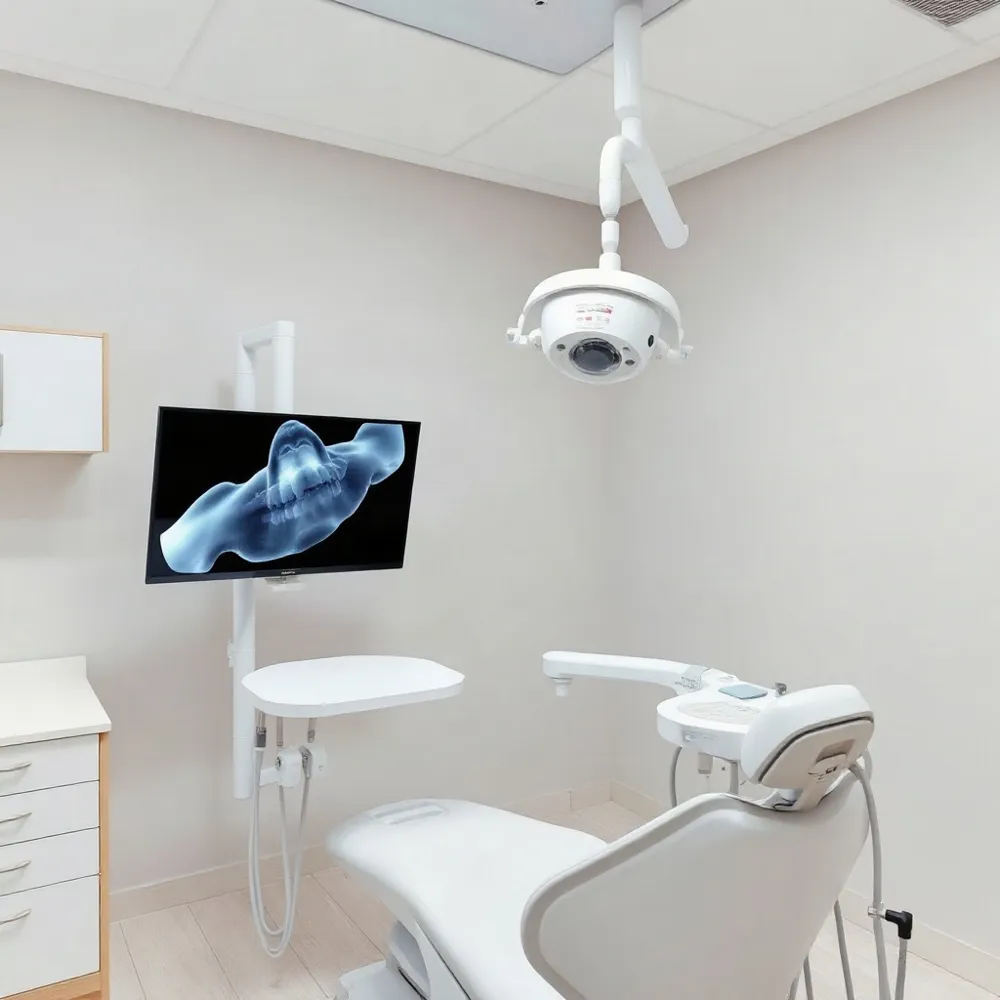 Some soreness, tenderness, or swelling can happen after dental implant surgery. What matters is the pattern: symptoms should generally ease, not grow stronger, return after improving, or linger in a way that concerns you. If you are unsure whether a change is expected, call your dentist rather than waiting for it to pass.
What are signs that a dental implant may not be healing properly?
Call your dentist about pain or swelling that worsens, returns, or does not settle. Persistent bleeding, red, puffy, or warm gums, pus or other drainage, fever with symptoms near the implant, or a lasting bad taste or odor also deserve attention. These signs can have different causes, and a dental professional needs to examine the area to assess what is happening.
Numbness or tingling that continues beyond the initial period should also be discussed with your dentist. So should a bite that feels different, trouble chewing after early swelling has gone down, gum recession, or implant threads that become visible. These changes do not confirm a particular problem, but an exam can help determine whether further care is needed. The NIH review of implant complications describes complications involving the tissues around dental implants, which is one reason new or persistent symptoms should be checked.
What if the implant or a part of it feels loose?
An implant post or healing cap that moves is not an expected sign of healing and needs prompt dental assessment. A loose crown or another component may be different from movement of the implant itself, but it still warrants a call. Do not try to tighten or adjust anything yourself; tell the dental office what you notice and follow its instructions.
At 3D Dental’s Montauk Highway office in Mastic, Dr. Eran Arvilli can assess concerns and advise whether you should come in. He earned his DDS from Stony Brook School of Dental Medicine and has cared for Mastic families for more than 25 years. The practice also offers same-week appointments when available and holds emergency visits for urgent dental problems.
If you notice a change, describe when it started, whether it is getting better or worse, and any other symptoms. Patients from Mastic Beach, Shirley, and nearby communities can contact their own dentist for guidance. If you are already under Dr. Arvilli’s care, call the office rather than relying on a general timeline; your treatment plan and instructions are specific to your situation.
Why Might an Older Implant Become Sore?
A dental implant that has been comfortable for some time can become sore for several reasons. Pain may come from the gum or bone around it, pressure from the bite, the crown, or a nearby tooth. Pain by itself does not prove that the implant has failed.
One possible cause is peri-implantitis, which means inflammation or infection in the gum and bone around an implant. It can affect the tissues that support the implant, but symptoms alone cannot show what is causing the problem. A dentist needs to examine the area; research on complications in implant dentistry describes the range of issues that can affect implants and their surrounding tissues.
Contact a dentist about new, ongoing, or worsening discomfort, especially if you also notice swelling, bleeding, drainage, a bad taste, or trouble chewing. These changes do not point to one diagnosis on their own, but they are worth checking rather than waiting to see if they pass.
An assessment may include looking at the gums and crown, checking how your teeth meet when you bite, and examining nearby teeth. When appropriate, dental imaging can help the dentist assess the bone and other structures around the implant. The next steps depend on what the examination shows.
At 3D Dental’s Montauk Highway office in Mastic, Dr. Eran Arvilli, DDS, a graduate of Stony Brook School of Dental Medicine, has cared for Mastic families for more than 25 years. If a previously healed implant has become sore, an implant evaluation can help identify the source and guide care.
Why might a dental implant hurt long after it has healed?
Pain may come from nearby gum or bone, inflammation or infection, bite pressure, the crown, or another tooth. It does not automatically mean the implant has failed, but new or worsening discomfort should be assessed by a dentist.
Book a visit with Dr. Arvilli at 3D Dental in Mastic. Call (631) 772-7379. Se habla español.
What Happens at a Healing Checkup?
A healing checkup lets your dentist look at the gum tissue and make sure it is healing as expected. The dentist may also check whether the dental implant (a metal post that replaces a tooth root) feels stable and use an X-ray if needed to assess the bone around it.
At a visit, the dentist can examine the gum's color and shape, check how the tissue sits around the implant, and ask about any changes you have noticed. These checks matter even if the area feels comfortable, since how you feel alone cannot confirm that healing beneath the gums is complete. Follow your dentist's instructions for the appointment schedule.
The timing and tests depend on your procedure and healing. For example, your plan may differ if you also had bone grafting (a procedure to rebuild jawbone) or if the implant was placed at the time of an extraction. Keep your scheduled visits, and contact your dentist if new symptoms arise between them.
Dr. Eran Arvilli, DDS, who has cared for Mastic families for more than 25 years, uses digital 3D imaging to help plan dental implants. That planning tool does not mean imaging is needed at every checkup; your dentist will decide whether an X-ray or another exam is appropriate.
At the Montauk Highway office in Mastic, patients from Mastic Beach and Shirley can also ask about routine checkups and cleanings as part of ongoing care. If you are unsure what your next visit will involve, ask Dr. Arvilli what he plans to check and when you should call with a concern.
Research on implant complications describes why monitoring the surrounding tissues and implant matters, though your dentist will tailor follow-up to your case. Complications in implant dentistry reviews problems that can affect implant treatment.
What Should You Ask Your Dentist?
When recovering from dental implant surgery, you should ask your dentist about expected symptoms, when to call, and when the implant is ready for a crown. Dr. Eran Arvilli, DDS, with over 25 years of experience caring for Mastic families, recommends these questions to help you feel prepared. Always follow your dentist's specific instructions.
Is mild swelling expected after implant surgery?
Some swelling can occur early in recovery, similar to after tooth extractions. Contact your dentist if it worsens instead of settling, or if you are unsure whether your symptoms are expected.
Can I use a straw while the area heals?
Ask your dentist when it is safe to use a straw. Suction may disturb the surgical area early on, so follow your specific aftercare instructions.
Does feeling normal mean the implant is ready for a crown?
No. The implant may feel comfortable while bone is still bonding to it. Your dentist must assess healing before deciding when to place the final crown.
When should I call about pain or swelling?
Call if pain or swelling is getting worse, returns after improving, or comes with drainage or a loose-feeling implant. Dr. Eran Arvilli, DDS, offers same-day emergency visits at the Montauk Highway office in Mastic for patients from Mastic Beach, Shirley, and Manorville.
Should I keep my follow-up visit if I feel fine?
Yes. Feeling well does not show whether healing beneath the gums is complete. At 3D Dental, follow-up visits give Dr. Arvilli a chance to check the area and discuss next steps.
Book a visit with Dr. Arvilli at 3D Dental in Mastic. Call (631) 772-7379. Se habla español.
When Should You Reach Out for Help?
Some soreness and swelling can happen after implant surgery, but symptoms should generally ease as healing progresses. Call your dentist if pain or swelling worsens, a new concern appears, or you are unsure whether a change is expected.
You do not have to decide on your own whether a symptom is serious. A dental professional can examine the area and advise you based on your procedure and healing. Follow the care instructions your dentist gave you, and contact the office if something does not feel right.
Dr. Eran Arvilli, DDS, has cared for Mastic families for more than 25 years. His office on Montauk Highway in Mastic can help patients discuss concerns and understand what to do next.
Book a visit with Dr. Arvilli at 3D Dental in Mastic, or call (631) 772-7379. Se habla español.