Welcoming Your New Smile in Mastic
At 3D Dental, we know that receiving your new smile is a significant milestone. While your dental implants are designed to provide a natural, permanent solution for missing teeth, they function differently than your natural roots. These medical devices require consistent, diligent daily care to maintain their long-term health and stability.
Proper maintenance is the best way to ensure your implants remain a lasting part of your life. As noted in research on implant maintenance, success relies on a strong partnership between your daily habits and our professional support. We are here to guide you through the process, helping you feel confident and comfortable every step of the way.
Understanding Peri-Implantitis Risks
 Dental implants serve as a reliable, long-term solution for missing teeth, but they remain susceptible to a condition known as peri-implantitis. This is an inflammatory process that affects the gum tissue and the bone supporting your implant. Similar to gum disease in natural teeth, this condition occurs when bacteria accumulate, potentially leading to bone loss if left unchecked. At 3D Dental, we emphasize that poor oral hygiene is a significant contributor to implant complications. While dental implants have a high success rate, consistent oral hygiene is key to protecting both your implant and your smile.
Early detection is essential for maintaining a healthy smile. Be mindful of common indicators of peri-implantitis symptoms, including persistent redness or swelling around the implant site, bleeding during your daily hygiene routine, or recurring bad breath. In some cases, bone loss may be identified through professional X-ray imaging during your regular checkups and cleanings. If you notice any discomfort or a change in how your implant feels, please contact our office for a prompt evaluation.
Brushing Techniques That Protect Implants
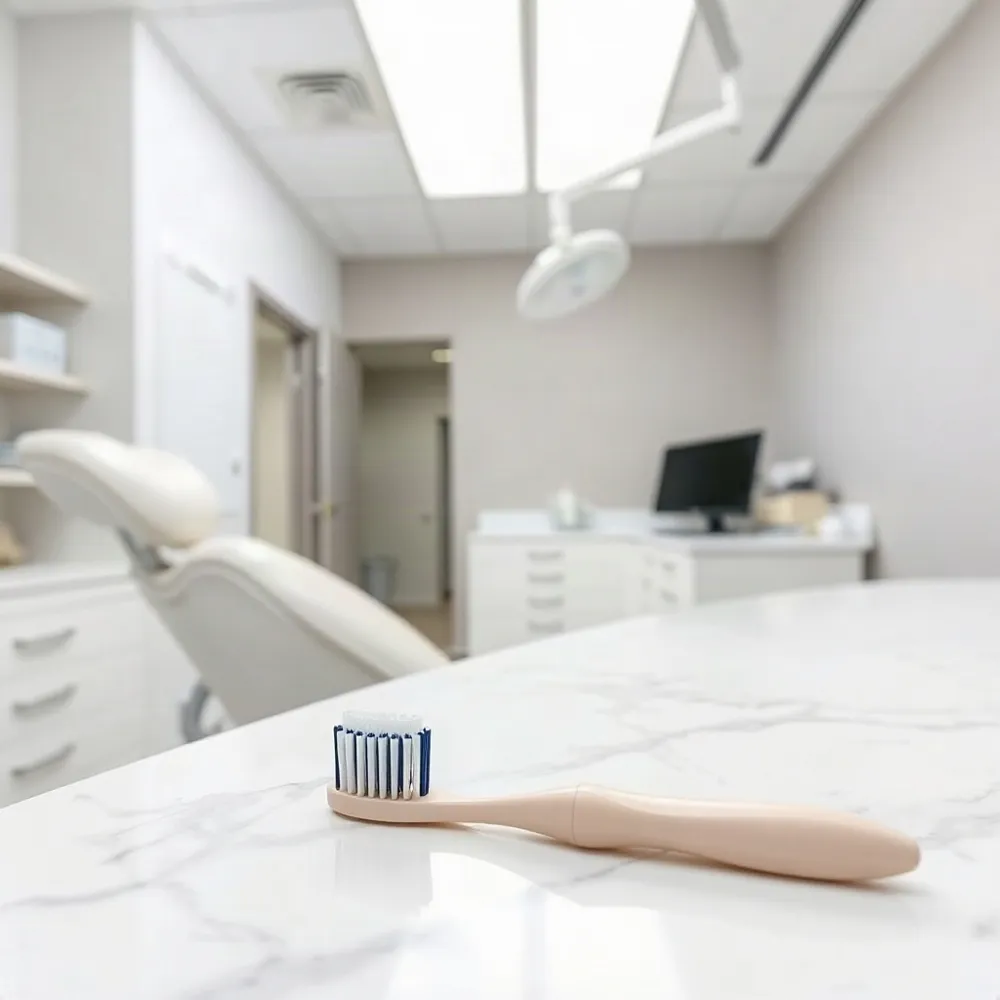 Maintaining the health of your Dental Implants starts with a gentle, consistent daily routine. At 3D Dental, we advise our patients in Mastic to brush at least twice every day to prevent plaque accumulation, which is essential because the tissues around an implant are more susceptible to infection than those around natural teeth according to 2016 research.
How should I brush my dental implants? Use a soft-bristled manual or electric toothbrush, as these effectively clean without causing damage. It is equally important to select the right toothpaste. Choose a non-abrasive, low-abrasive fluoride, or tartar-control formula to keep your restoration in top condition. You should avoid stiff-bristled brushes, as well as whitening or charcoal toothpastes, which contain abrasive particles that can scratch the delicate surface of your implant and irritate the surrounding gum tissue.
Consistent home care is the foundation of long-term success, and we are here to support your routine with checkups and cleanings to ensure every area remains healthy. If you have questions about specific tools or techniques, our team is always ready to guide you during your next visit to our Mastic office.
Flossing and Water Flossers for Implants
Keeping the areas around your Dental Implants free from debris is a vital part of your daily 3D Dental hygiene routine. Because implants lack the natural periodontal ligament that guards your own teeth against bacteria, thorough cleaning is essential to prevent complications like peri-implantitis as described in research. Regular string floss can sometimes leave behind tiny remnants that irritate sensitive tissue, so we often suggest switching to more effective alternatives.
Do I need special floss for my implants?
Yes, using implant-specific floss or interdental brushes helps clean around the implant and along the gum line. Many patients find that using specialized tools designed for dental work makes it easier to navigate around the abutment and prosthetic crown. If you have a full-arch restoration, these tools are indispensable for reaching into the spaces beneath your bridge where food naturally gathers.
An oral irrigator, or water flosser, is also a highly recommended tool to support your home care. When using a device like a Waterpik, keep the pressure at a gentle setting, ideally not above #6, to ensure you are clearing away plaque without causing trauma to the gum tissue. For those with full-mouth restorations, we can guide you on the best specialized tips to effectively flush out debris from under the prosthetic, keeping your smile healthy and your gums comfortable.
Rinsing With Antimicrobial Mouthwash
Maintaining a clean oral environment is vital for the long-term success of your Dental Implants. While brushing and flossing remove the bulk of plaque, an antimicrobial mouthwash provides an extra layer of protection against the bacteria that cause inflammation.
Is mouthwash necessary for implant care?
Yes, rinsing daily with an alcohol-free antimicrobial mouthwash is recommended to help reduce bacteria around the implant and support gum health. At 3D Dental, we emphasize selecting alcohol-free formulas to ensure that your rinse is effective without causing unnecessary irritation to sensitive gum tissue. After your initial procedure, your dentist may also suggest gentle warm salt water rinses to keep the surgical area clean during the early stages of healing.
To get the most out of your routine, use your mouthwash as the final step after brushing and flossing. Swish gently for the time recommended on the product label, making sure the liquid reaches around your restoration. By consistently incorporating this simple habit into your daily 3D Dental care plan, you help protect your investment and maintain a healthy, vibrant smile.
Keeping Up With Professional Cleanings
 Your journey to a lasting smile relies on a team approach. While daily hygiene is the foundation, regular professional care at 3D Dental ensures your implants remain stable for years to come. During these visits, we go beyond a standard cleaning to specifically evaluate the health of the tissue surrounding your restoration.
How often should I see my dentist for implant maintenance?
We recommend professional maintenance visits every three to six months for most patients. This schedule allows our team to perform a thorough examination, including radiographic evaluations like X-rays, which are vital for detecting early signs of bone loss that may not be visible during a routine checkup Implant Maintenance: A Clinical Update. By monitoring these markers, we can address potential issues such as peri-implantitis before they compromise your comfort or the integrity of your implant.
Unlike some practices that use standard metal tools, 3D Dental utilizes specialized, non-abrasive instruments designed to protect the delicate titanium surfaces of your implants. We are committed to providing a calm, gentle experience for our neighbors in Mastic, ensuring your long-term oral health is managed with precision and care. Whether you have a single crown or a full-arch solution, our team provides the consistent follow-up necessary to keep your smile healthy and functional Dental Implant Maintenance.
Avoiding Activities That Harm Implants
Your long-term success with Dental Implants relies on protecting them from unnecessary strain. While these restorations are durable, they are not immune to the damage caused by certain daily habits and lifestyle choices.
Can smoking affect my dental implants?
Yes, smoking is a significant risk factor for dental implant failure. It impairs healing, reduces blood flow to tissues, and increases the risk of gum disease, which can lead to bone loss and implant failure. Avoiding tobacco is critical for long-term implant success.
Managing biting forces and habits
Excessive chewing forces, or occlusal overload, can put undue stress on the bone surrounding your implant. If left unchecked, this pressure can contribute to bone loss over time. It is important to be mindful of habits like chewing on ice, hard candies, or crunchy snacks, which can damage the prosthetic components.
If you struggle with bruxism (teeth grinding), you may be putting significant stress on your implants without even realizing it. During your routine checkups and cleanings, our team can evaluate your bite and determine if a custom night guard is needed to protect your investment.
Recognizing Warning Signs Early
At 3D Dental, we believe that staying informed is the best way to protect your long-term investment in your oral health. While most patients experience a smooth recovery, being proactive about your comfort is essential for catching potential issues before they grow.
How can I tell if my dental implant is healing correctly?
A dental implant is generally healing well if the gum tissue around it appears pink and firm within the first two weeks, with swelling and discomfort steadily decreasing. If you notice any unexpected changes, please reach out to our office in Mastic for a professional evaluation.
- Unexplained mobility or a feeling that the implant has become loose
- Persistent or worsening pain near the surgical site
- Swelling that increases rather than subsides after the first few days
- Visible pus or discharge from the gum line
- Receding gums around the implant post
- A persistent bad taste or unpleasant odor in the mouth
These symptoms may be signs of peri-implantitis, an inflammatory condition that can threaten your results if left untreated. According to Implant Maintenance: An Overview, early detection is vital for ensuring your implants last. If you are experiencing any of these concerns, do not wait for your next checkup; contact 3D Dental promptly so our team can provide the gentle, expert care you need to keep your smile healthy.
Smart Diet Choices for Implant Health
Your dietary choices play a vital role in both your initial recovery and the long-term success of your Dental Implants. During the first few days following your procedure at 3D Dental, it is best to stick to soft, cool, or room-temperature foods like yogurt, smoothies, and mashed potatoes to avoid irritating the surgical site. We recommend avoiding hard, crunchy, or sticky items such as popcorn, nuts, or taffy for at least 6 to 8 weeks to prevent unnecessary pressure on your new implant while it integrates with your jawbone.
As you transition back to your normal routine, prioritizing a balanced diet supports both your gum health and bone density. Focus on nutrient-rich foods that provide the protein and vitamins necessary for tissue repair. Reducing your intake of sugary snacks is also beneficial, as it helps minimize the plaque buildup that can otherwise contribute to peri-implantitis. By making these simple, intentional choices, you protect your investment and help maintain the longevity of your smile.
Your Partner in Implant Care
Your journey to a lasting smile is a shared commitment between your daily habits and the expert support you receive at 3D Dental. While dental implants are incredibly resilient, their long-term success relies on a consistent maintenance routine and professional partnership. Regular cleanings are essential to monitor stability and prevent peri-implantitis, allowing us to address any concerns before they impact your health.
Please remember that your dental team is always here for you. Whether you have questions about your oral hygiene tools or notice a subtle change in how your restoration feels, reaching out early is the best way to protect your smile. You are never alone in your care, and we encourage you to contact us at any time for guidance. With proactive monitoring and our gentle, patient-centered approach, we are dedicated to helping you enjoy a healthy, functional smile for years to come.