What Can Imaging Show Before Treatment?
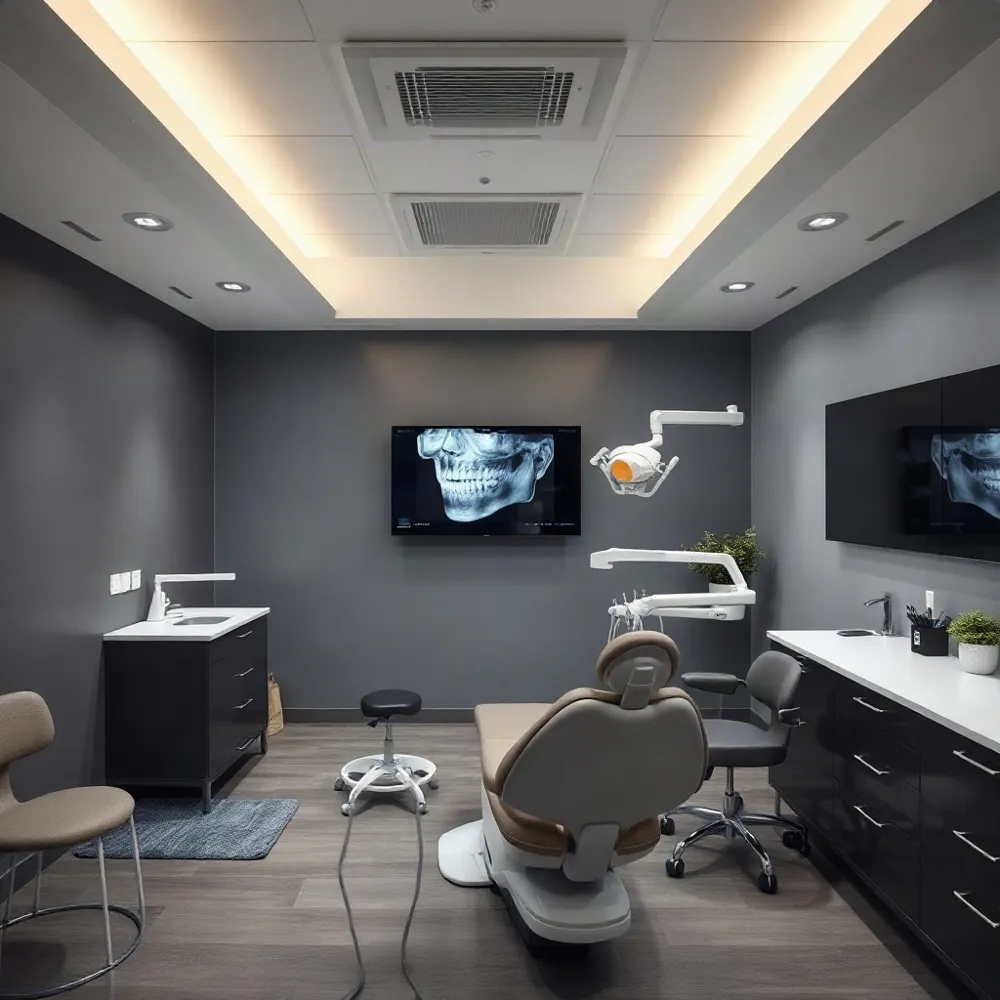
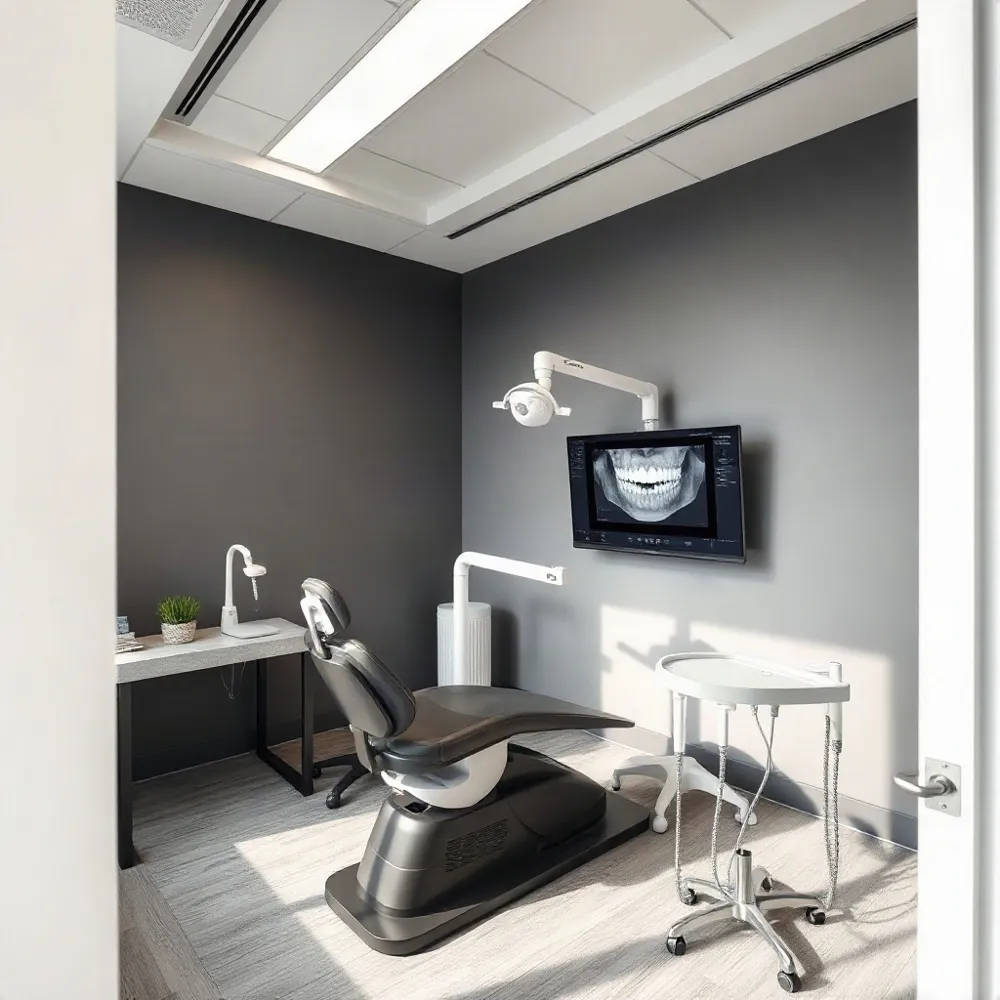
A 3D dental scan can show teeth and nearby structures from different angles, adding detail that a flat X-ray may not provide. That information can help a dentist plan selected treatments, but a scan is not needed before every cosmetic procedure.
Cone-beam computed tomography (CBCT) is one type of 3D imaging. It creates a three-dimensional view that can help a dentist assess tooth position, jawbone, and nearby structures when those details matter to a treatment plan, as described in this review of CBCT in dentistry.
A scan supports a clinical exam and discussion; it does not diagnose a problem on its own or promise a particular cosmetic result. At 3D Dental’s Montauk Highway office in Mastic, Dr. Eran Arvilli uses digital 3D imaging and diagnostics for planning when appropriate, including for cosmetic and restorative care. The right images depend on what the dentist needs to assess.
What Does a 3D Scan Show?
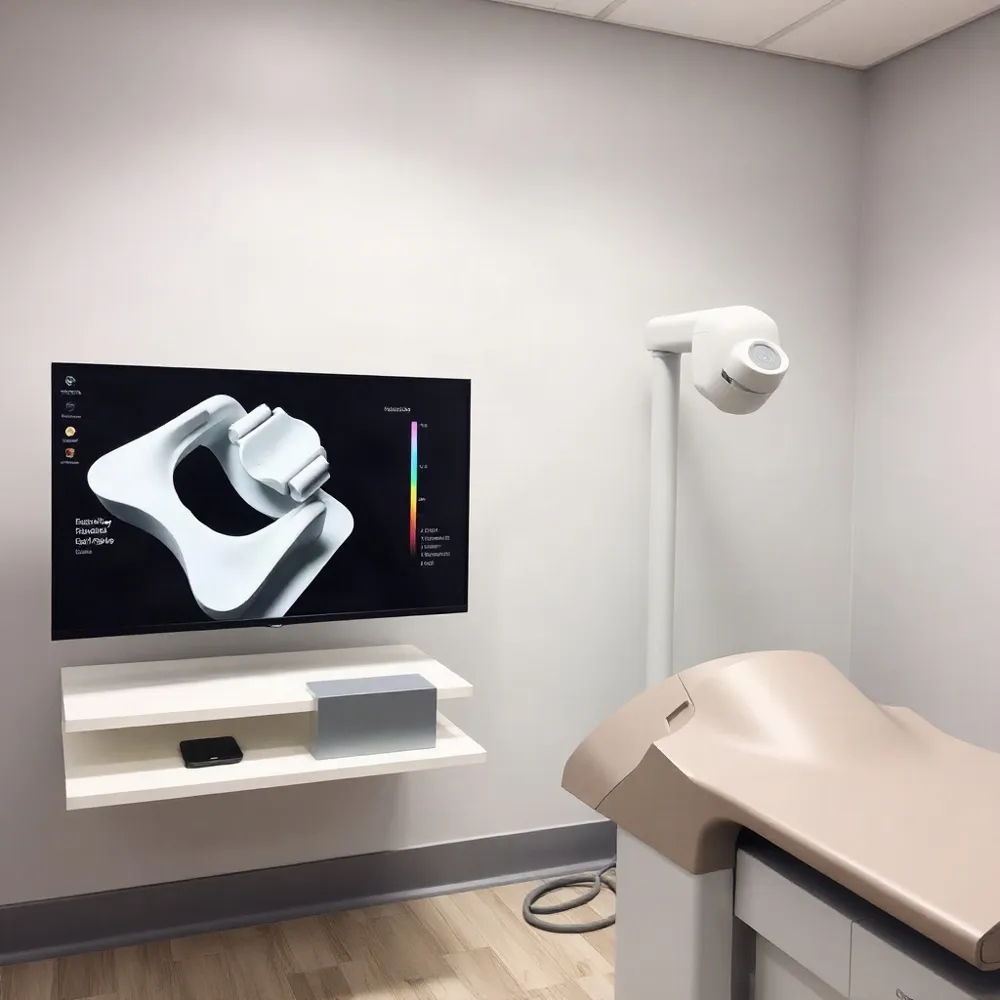 A 3D dental scan, often called cone-beam computed tomography (CBCT), is a form of X-ray imaging that creates a three-dimensional view of teeth and nearby structures. It may help a dentist examine roots, jawbone, or an impacted tooth (a tooth that hasn't come in properly) when those details matter for planning.
A conventional dental X-ray shows anatomy in two dimensions, so structures can overlap in the image. A CBCT view can help clarify how teeth, roots, jawbone, and nearby structures relate, but the dentist interprets it alongside an exam, dental history, and conversation with you. A review of CBCT in dentistry explains that the scan area can be focused on the clinical question.
CBCT is different from a digital intraoral impression (a scan taken with a small camera inside your mouth). An intraoral scanner records the shape and surfaces of teeth, while CBCT shows broader anatomy. At 3D Dental’s Montauk Highway office in Mastic, Dr. Eran Arvilli (DDS, Stony Brook School of Dental Medicine, with over 25 years caring for Mastic families) uses digital 3D imaging and diagnostics to support treatment planning; a scan does not make a diagnosis on its own or mean every patient needs one.
For example, the added view may help assess anatomy relevant to dental implants or root canals. Ask what the scan is meant to show, how the images may affect your care, and whether a smaller scan area can answer the question.
When Might Imaging Help With Cosmetic Care?
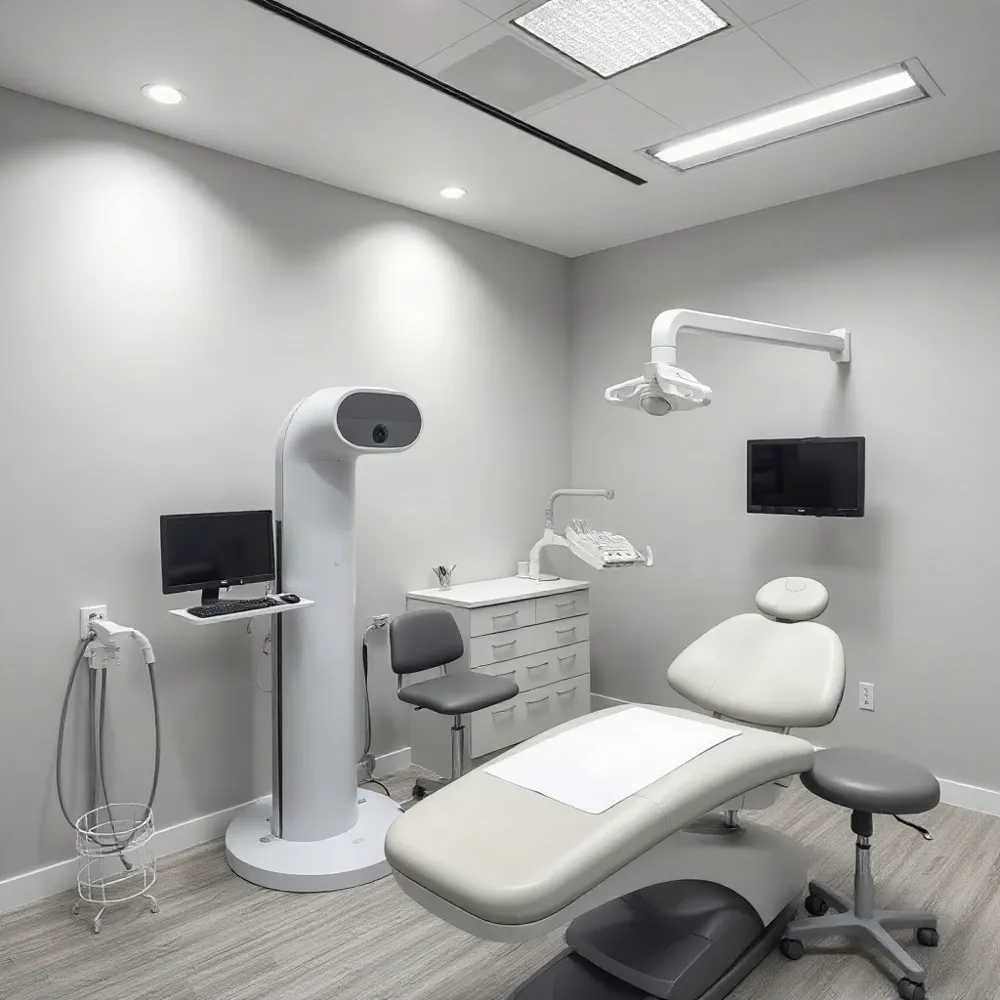 Three-dimensional imaging may help when a treatment plan depends on what lies beneath the visible tooth surface, such as root position, jawbone shape, or nearby anatomy. It is one source of information, not a requirement for every cosmetic treatment or a promise of a particular result.
Cone-beam computed tomography (CBCT) can show teeth and jaw structures from different angles, which may be useful when planning dental implants, assessing an impacted or unusually positioned tooth, or considering complex treatment. A review of CBCT in dentistry describes these uses while noting that scans need professional interpretation and should answer a specific clinical question (review of CBCT applications).
That does not mean CBCT is routinely needed before Zoom whitening (a teeth-whitening treatment), porcelain veneers, bonding, or every smile makeover. Dr. Eran Arvilli, DDS, uses the examination and the patient’s goals to decide what information is needed; his Mastic office uses digital 3D imaging and diagnostics to support treatment planning.
A surface scan or digital model records the shape and position of teeth and can help plan some restorations. It differs from CBCT, which provides a broader view of underlying anatomy, so one does not replace the other when that anatomical detail matters.
Images can make findings and treatment options easier to discuss, but the dentist considers them alongside an exam and dental history. A scan or digital preview can guide a conversation about appearance, but it cannot guarantee how the final result will look.
Why Might a Dentist Recommend Imaging?
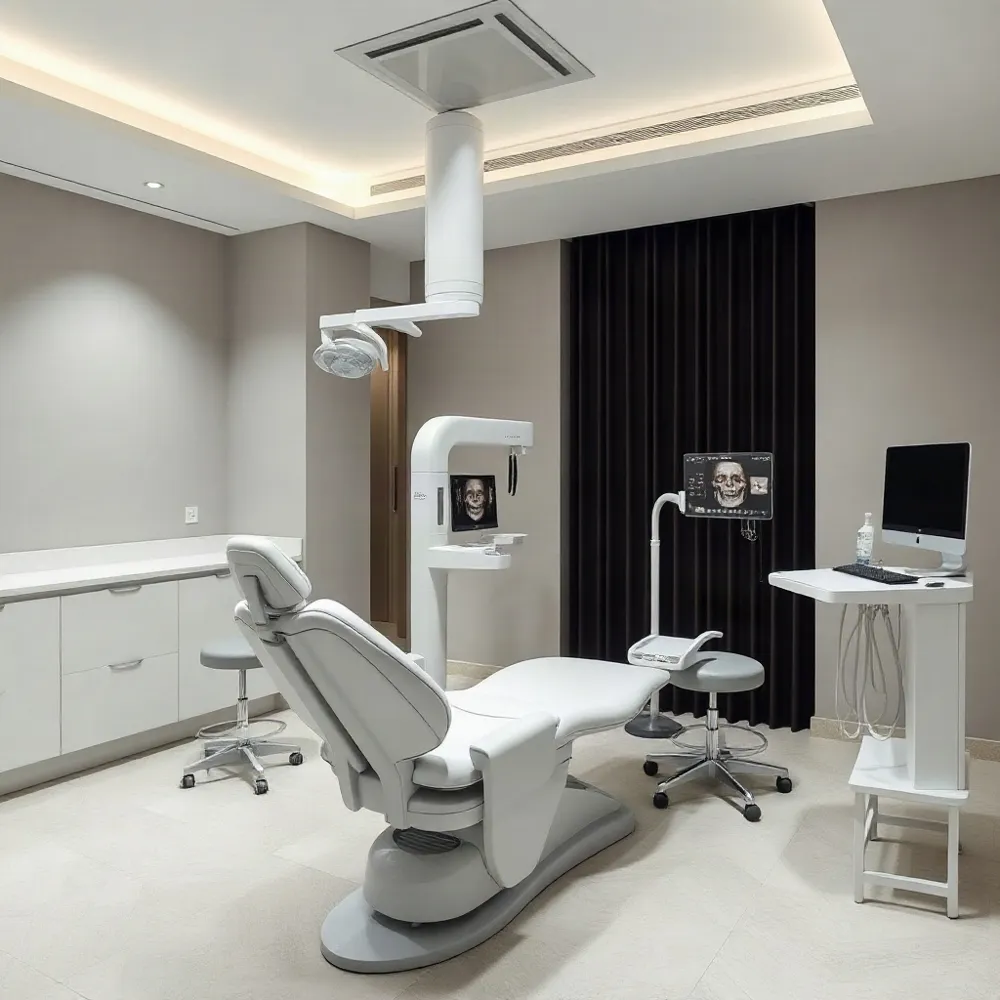 A dentist may recommend a 3D scan when an exam or standard X-ray does not show enough detail to answer a specific question or plan care. The added view may help assess an impacted tooth, an injury, or jawbone and nearby anatomy before dental implants.
Cone-beam computed tomography (CBCT) creates a three-dimensional view that can clarify how teeth and other structures relate to one another. A review of CBCT in dentistry explains that the scan can help clinicians examine anatomy that may be obscured in two-dimensional images, while still requiring professional interpretation (review of CBCT uses and limits.
The decision should depend on whether the extra detail could affect diagnosis or treatment, not simply on the availability of the technology. Dr. Eran Arvilli, DDS, earned his degree from Stony Brook School of Dental Medicine and has cared for Mastic families for more than 25 years. At the Montauk Highway office in Mastic, he can explain what question a scan is meant to answer and whether it fits your situation.
What should I ask before a scan?
Ask what the dentist needs to see, how the images could affect your care, and whether a standard X-ray or exam is enough. A scan supports clinical judgment; it does not decide on its own which treatment is right.
For questions about imaging or care, book a visit with Dr. Arvilli at 3D Dental in Mastic. Call (631) 772-7379. Se habla español.
Is a Scan Needed for Every Patient?
No. A three-dimensional scan is not needed for every patient, routine visit, or root canal. An exam and regular dental X-rays often provide enough information.
A dentist may consider cone-beam computed tomography (CBCT), a type of 3D X-ray imaging, when a specific question remains unanswered. For example, it may help assess unusual tooth-root or canal anatomy that is difficult to see on a two-dimensional image. A research review describes CBCT as a selective tool for questions such as complex root and canal structure, not a routine test for every case (review of CBCT uses and limits.
CBCT uses X-rays and generally exposes a patient to more radiation than a standard dental X-ray. The amount depends on the scan and the area being examined, so the decision should be based on whether the added view could help answer a clinical question.
At 3D Dental’s Montauk Highway office in Mastic, Dr. Eran Arvilli, DDS, uses digital 3D imaging and diagnostics as part of treatment planning. He earned his degree at Stony Brook School of Dental Medicine and has cared for Mastic families for more than 25 years. He can explain whether a scan is useful for your situation, rather than recommending one simply because the technology is available.
For questions about a possible root canal, ask what the scan is meant to show and how its findings might affect the plan. Patients from Shirley and nearby communities can contact 3D Dental to discuss an appointment. Call (631) 772-7379. Se habla español.
What Are the Safety Considerations?
Yes, 3D dental scans can be appropriate when the added detail helps answer a clinical question, but they use X-rays and involve radiation exposure. Dr. Eran Arvilli considers the reason for imaging and the information needed before recommending a scan.
A scan can sometimes show an unrelated finding that may need more review. Movement or image artifacts, which are distortions in the scan, can also affect how clearly structures appear. These limits are part of why a dentist interprets imaging alongside an exam and dental history, rather than treating a scan as an answer on its own.
The CBCT review explains that exposure varies with the scan settings and the area imaged, and that the field of view can be focused on the area relevant to the clinical question. This is one reason imaging should be selected for an individual need, not simply because the technology is available.
What should I ask before a scan?
Ask whether a regular dental X-ray could provide enough information, what area the 3D scan would cover, and how the results could affect your care. At 3D Dental’s Montauk Highway office in Mastic, Dr. Arvilli uses digital 3D imaging and diagnostics as part of treatment planning, while considering each patient’s situation.
Patients from Shirley and nearby communities can discuss their questions with Dr. Arvilli, who has cared for Mastic families for more than 25 years. To talk about imaging or another dental concern, book a visit with Dr. Arvilli at 3D Dental in Mastic, call (631) 772-7379, or ask the bilingual team for help. Se habla español.
What Happens During the Scan?
During a 3D dental scan, which is often used for dental implants, you will be positioned by the imaging equipment and asked to stay still as it captures views from different angles. Software combines those images into a three-dimensional picture for the dentist to review. Dr. Eran Arvilli, DDS, with over 25 years of experience caring for families in Mastic, uses this technology at his Montauk Highway office to help plan treatments for patients from Mastic Beach, Shirley, and nearby areas.
The image capture is typically very fast, but positioning and any conversation about the images add time. The full visit can take longer depending on what needs to be scanned and whether the dentist reviews the results with you. A dental review describes how cone-beam computed tomography (CBCT), a type of 3D X-ray, creates and reconstructs these images.
How long does a 3D dental scan take?
There is no single appointment length to expect. Dr. Arvilli can explain the steps during your visit. 3D imaging is also helpful in emergency dentistry situations.
Before X-ray imaging, tell the dental team if you are pregnant or may be pregnant, and ask what to expect during the scan. You can also ask what area will be imaged and how the results may relate to your care.
How Are Coverage and Cost Determined?
Coverage for a dental implant procedure depends on your insurance plan and the reason the implant is recommended. The type and extent of imaging, such as a 3D scan, the treatment involved, and your plan’s benefits can all affect what you pay.
Before your procedure, ask your insurer and dental office to confirm what is covered and what you may owe. Dr. Eran Arvilli, DDS from Stony Brook School of Dental Medicine with over 25 years caring for Mastic families, and his team at the Montauk Highway office in Mastic can help you review the details. Coverage varies by plan and should not be assumed.
For help reviewing available insurance and financing options, contact the office before your appointment. Confirming benefits in advance can help you understand the expected expense before deciding how to proceed. Dr. Arvilli also offers related procedures like root canals and emergency dentistry.
Does dental insurance cover a dental implant procedure, and how is its cost determined?
It depends on your plan and why the implant is needed. Ask your insurer and dental office to verify coverage and your expected out-of-pocket amount before treatment.
Frequently asked questions
1. What if my insurance doesn't cover the implant?
You can ask about payment plans or the patient membership plan to help manage costs.
2. Are 3D scans always needed for implants?
Not always, but they help Dr. Arvilli plan the procedure accurately. Your dentist will recommend imaging if it is necessary.
3. Can I use my FSA or HSA for dental implants?
Many flexible spending and health savings accounts cover dental procedures. Check with your plan administrator.
4. How do I know if I need a dental implant?
Dr. Arvilli will examine your mouth and discuss options during a visit. Schedule a consultation to find out.
5. Does the membership plan cover implants?
The membership plan offers discounts on many services. Contact the office for details on implant coverage.
Book a visit with Dr. Arvilli at 3D Dental in Mastic, or call (631) 772-7379. Se habla español.
Questions to Ask Before Imaging
A 3D scan can help answer a specific question about teeth, roots, or jawbone, but it does not decide which treatment is right. Dr. Eran Arvilli, DDS, who has cared for Mastic families for more than 25 years, reviews imaging alongside your exam, dental history, and goals. A dental imaging review describes both the uses and limits of cone-beam computed tomography (CBCT) for dental care.
If imaging is suggested at the Montauk Highway office in Mastic, ask what area will be scanned and how the images could affect your care. Patients from Shirley and nearby communities can also ask whether a regular X-ray or another type of image would answer the same question.
Common questions
- What is the difference between CBCT and an intraoral scan? CBCT shows three-dimensional views of teeth and nearby anatomy. An intraoral scan records the visible shape of teeth and gums.
- Can I ask which area will be scanned? Yes. Ask what the scan is meant to show and why that area is needed.
- How are scan results used? Your dentist considers them with an exam and your dental history, not on their own.
- Does every cosmetic procedure need 3D imaging? No. The need depends on the treatment and the clinical question.
Book a visit with Dr. Arvilli at 3D Dental in Mastic. Call (631) 772-7379. Se habla español.