Begin Dental Care Early
A child’s first dental checkup is a gentle preventive step, not something to put off until a tooth hurts. The NHS advises arranging a visit when the first baby teeth appear or before the child turns 12 months, helping the dentist spot concerns early and make the setting familiar.
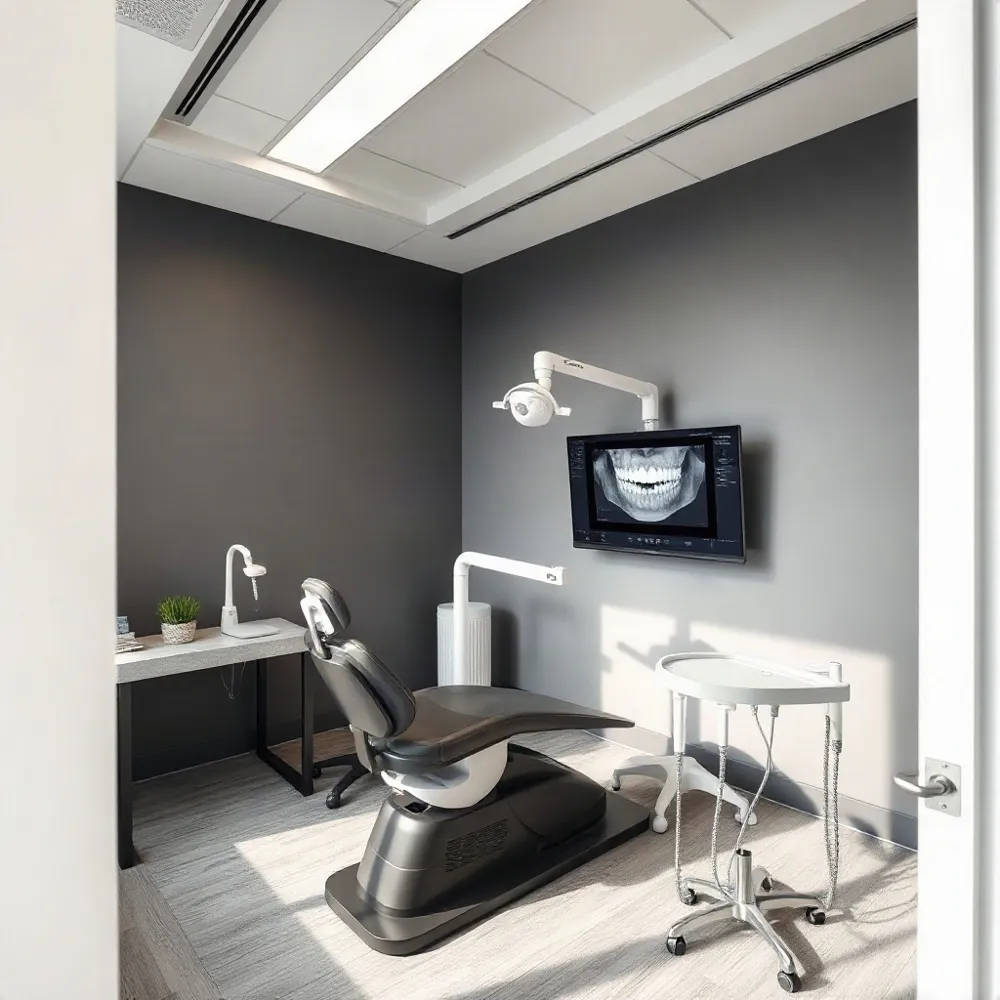
For families in Mastic, knowing when to go and what may happen can make the first appointment feel more manageable. At 3D Dental, the team provides pediatric care in a calm, family-focused setting, with modern imaging and gentle care tailored to each child.
This guide explains when to schedule a visit, what a baby’s checkup may involve, and how everyday routines support healthy teeth. Pediatricians can also help with oral-health guidance and referrals, as described in the American Academy of Pediatrics’ oral-health resources.
When to Schedule the First Visit
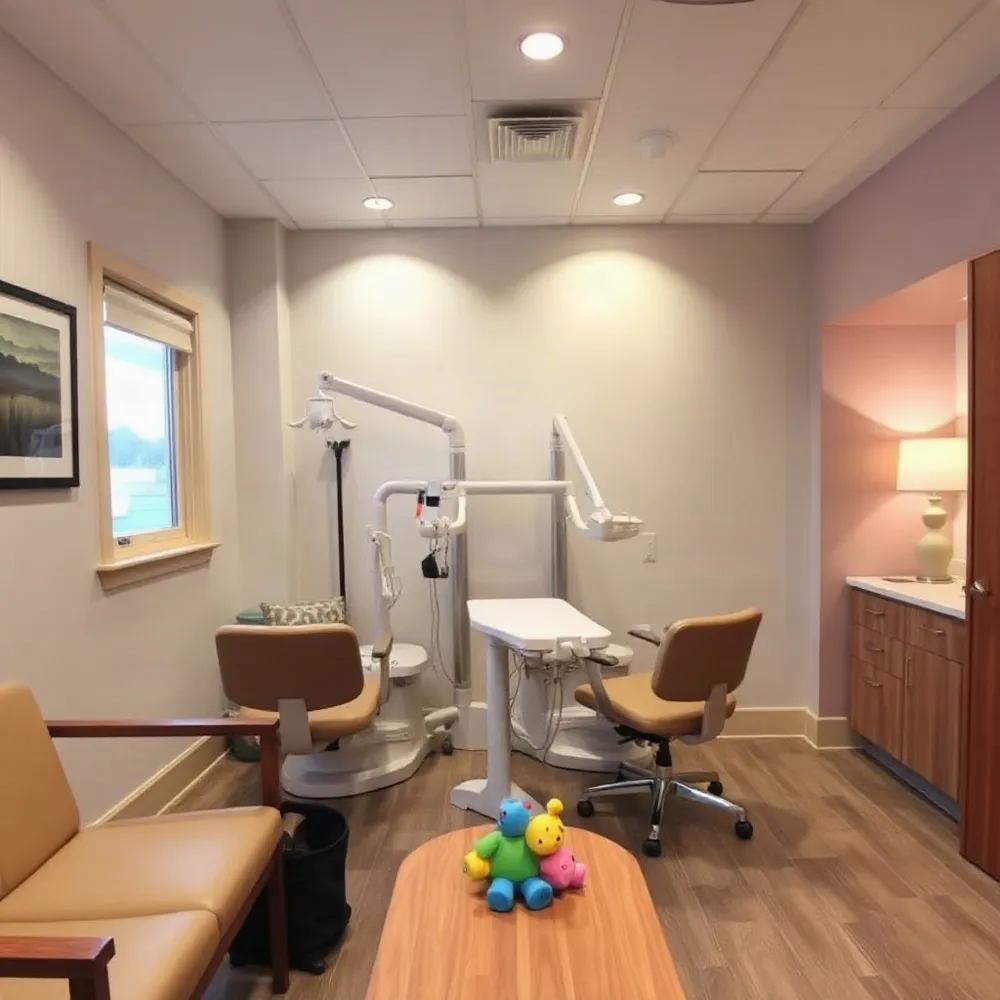 Plan your child’s first dental visit by their first birthday or within six months after the first tooth appears, whichever comes first. The NHS gives similar early-care guidance, recommending a visit when the first teeth emerge or before 12 months, so children can get familiar with dental care early (NHS guidance on children's teeth).
There is no need to wait until all the baby teeth have come in. A dentist can look at the teeth and gums that are present, check how they are developing, and discuss prevention before a small concern becomes harder to address. For families in Mastic, 3D Dental offers pediatric care in a calm, family-focused setting, with gentle support suited to young children.
The appointment is also a chance to ask about brushing, fluoride, feeding routines, and habits that may affect teeth. The American Academy of Pediatrics encourages coordination between medical and dental care, with health professionals supporting oral-health education and referrals when needed (AAP oral-health guidance).
You can stay with your child and share any questions or concerns with the dental team. A brief, gentle first visit can help make the setting more familiar. If you notice a change in a tooth or gum, or simply have a concern before the recommended timing, contact a dentist for advice rather than waiting for the next milestone.
What Happens at a Baby’s Checkup
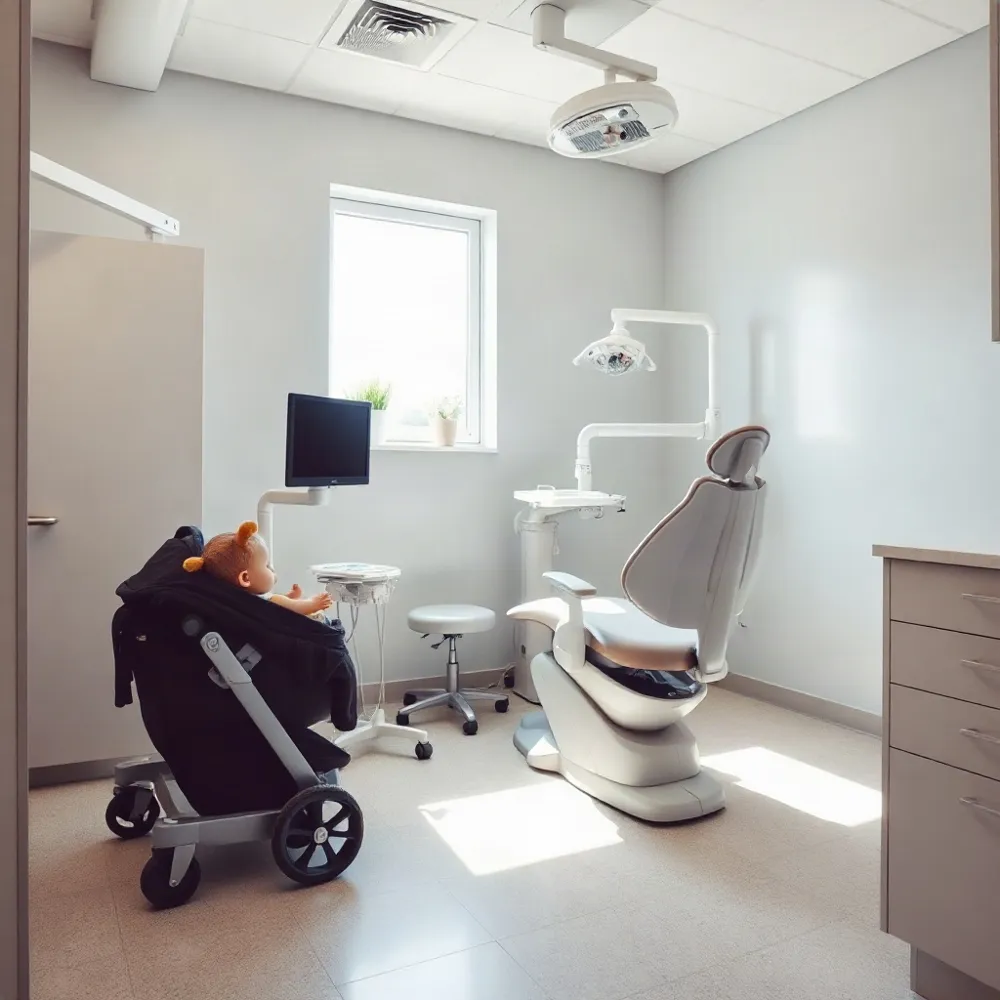 A baby’s first checkup is usually a calm, gentle introduction to dental care. Your child can stay close to you while the dentist takes a look inside their mouth. At 3D Dental, the team’s gentle, personalized approach helps make visits feel more comfortable for families.
The dentist will look at the teeth that have come in, as well as the gums and other areas of the mouth. This gives the dentist a chance to check how your baby’s mouth is developing and notice anything that may need attention. Even a brief look can help your child become more familiar with the dental setting, as the NHS explains.
The visit is also a conversation, not just an examination. You can ask how to brush new teeth, what to know about feeding and teething, and how to care for your baby’s mouth at home. The dentist can offer guidance based on your child’s needs and help you decide what to focus on between visits.
Bring up any question or concern, even if it seems small. Sharing what you have noticed about your baby’s feeding, comfort, or emerging teeth gives the dental team helpful context. 3D Dental provides pediatric dentistry for children and families in the Mastic area, with a welcoming, judgment-free approach. If your child also sees a pediatrician, medical and dental professionals can support oral health together, as described by the American Academy of Pediatrics.
Building Healthy Habits Between Visits
 A steady routine at home helps protect a child’s teeth between appointments. Begin brushing when the first baby tooth appears, and keep regular checkups on the schedule recommended by the child’s dentist. The NHS guidance on children’s teeth offers age-based brushing advice, though its recommendations are written for families in the United Kingdom.
Brush twice a day with a small, soft toothbrush suited to your child’s age. Caregivers should brush for children up to age 3. After that, children can practice brushing themselves, with an adult supervising and checking that all teeth are cleaned well. NHS guidance describes a smear of fluoride toothpaste for children under 3 and a pea-sized amount for ages 3 to 6. Toothpaste choices and recommended amounts can vary, so ask your dentist what fits your child.
For families who want help establishing a manageable routine, the team at 3D Dental can answer questions during a child’s visit and tailor guidance to the child’s needs. The American Academy of Pediatrics also encourages fluoride guidance and cavity-prevention education as part of children’s preventive care through its oral health practice tools.
A dentist may also discuss preventive treatments such as fluoride varnish, which can strengthen enamel, or sealants that protect the grooves of back teeth. These options are not automatically needed for every child. The dentist can consider age, tooth development, and cavity risk before recommending them.
A Team Approach to Children’s Oral Health
A child’s pediatrician and dentist can each support healthy teeth, with different roles that work well together. During routine well-child visits, pediatricians can assess oral-health risks, share prevention guidance, apply fluoride varnish when appropriate, and refer families to a dental professional. The American Academy of Pediatrics’ oral health practice tools encourage discussing oral health and finding a dental home as part of preventive care.
A dental professional can provide ongoing care, monitor a child’s teeth as they develop, and help caregivers respond to questions about brushing, feeding, or other concerns. The AAP emphasizes communication between a child’s medical and dental homes so that families receive consistent support. At 3D Dental in Mastic, the pediatric dentistry team can be part of that continuing relationship, with care delivered in a calm, family-focused setting.
Families do not need to wait for a problem to ask for help. Bring oral-health questions to a well-child visit, and speak with a dental professional about arranging continuing care early. A familiar dental team can get to know your child over time and offer guidance as their needs change.
A Confident First Step
Plan your child’s first dental visit when the first tooth appears or by their first birthday, whichever comes first, as NHS guidance advises. An early checkup gives you time to ask questions, learn what to expect, and help your child become familiar with the dental team.
At 3D Dental in Mastic, a calm, personalized approach helps families feel at ease. That first visit can be a simple start to caring for your child’s oral health as they grow.