Why Paying Attention to Your Implant Matters
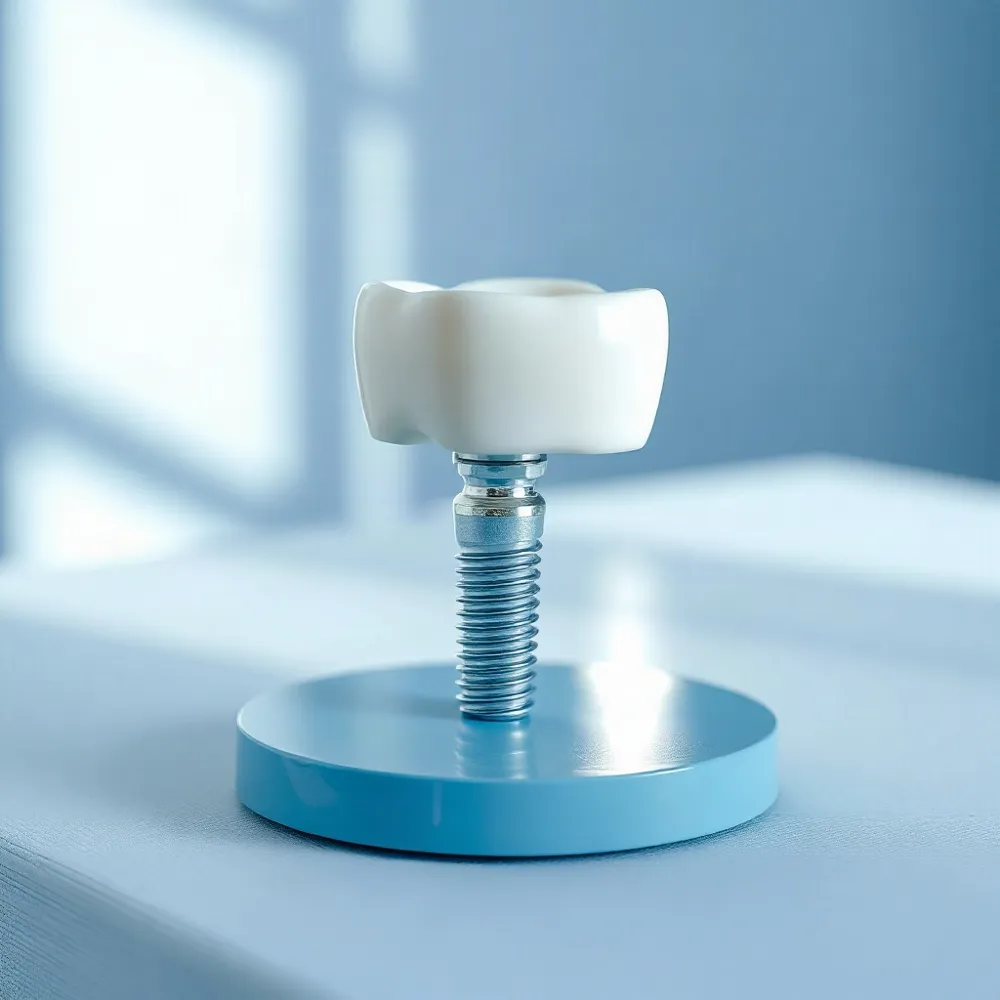
A dental implant is more than a replacement tooth — it is a long-term investment in your smile, your confidence, and your ability to eat and speak comfortably. Like natural teeth, implants require daily care and regular checkups to stay healthy. And just as you would pay attention to a tooth that feels different, your implant can give you early signals when something is wrong.
The good news is that implant failure is rare — studies show a success rate above 95% — but catching the earliest warning signs can make the difference between a simple adjustment and a full replacement. This article walks through the symptoms you should not ignore, from subtle discomfort to more obvious changes, so you can feel empowered to protect your smile. Whether you are considering an implant or have had one for years, knowing what to look for helps you stay in control of your oral health.
At 3D Dental in Mastic, NY, Dr. Arvilli and the team focus on gentle, personalized care and use modern diagnostics to catch issues early. Being proactive about your implant health is the best way to enjoy its benefits for decades to come.
The Earliest Signs You Shouldn't Ignore
 The earliest signs of a dental implant problem are often subtle and easy to dismiss. Gum swelling, redness around the implant site, or bleeding when you brush or floss near it can all point to inflammation or the beginning of an infection around the implant. Many patients assume a little pink on the toothbrush is normal, but around an implant it is not.
Another early clue is a change in how the crown feels when you bite down. It may not hurt, but it might feel slightly different, uneven, or less stable than before. Any visible looseness in the crown or the implant itself is a significant warning that needs prompt attention.
Pain is not always present in the early stages. The underlying bone and gum issues can progress silently for weeks or months before discomfort appears. This is why waiting until something hurts can mean the problem is already advanced.
We encourage you to call our team at the first sign of concern rather than waiting for your next regular checkup. At 3D Dental, we use modern diagnostics to evaluate these changes gently and thoroughly, keeping your treatment options open and your smile on track.
How Common Is Implant Failure Really?
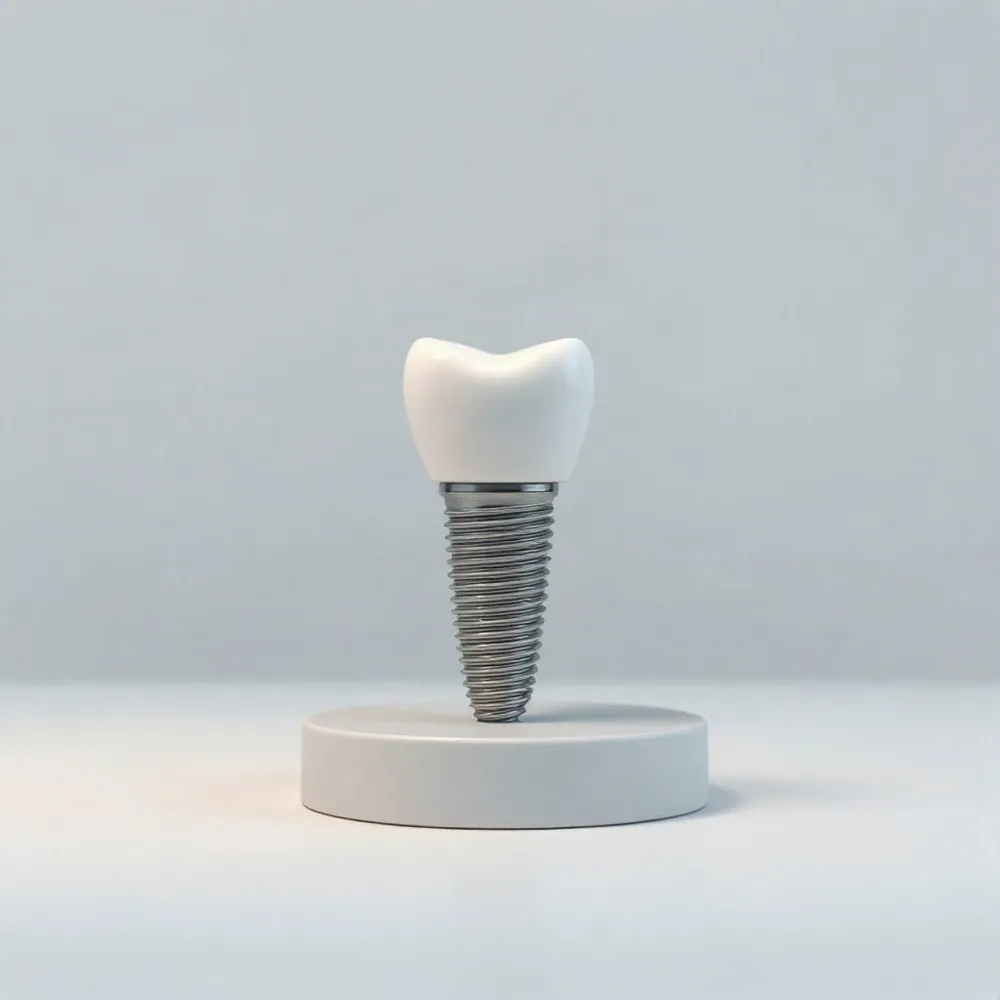 Dental implants are among the most reliable tooth replacement options available. Research shows a success rate of 95 to 98 percent over 10 years, meaning only about 2 to 5 percent of implants fail source: [Healthline]. That low failure rate is one reason over 3 million Americans now have implants.
Most failures happen early, within the first few months after surgery, often due to the implant not bonding fully with the jawbone. Late failures, occurring years later, are rare. Factors like smoking or lower bone density can slightly increase risk, but for the vast majority of patients, implants are a safe, long-lasting solution.
At 3D Dental in Mastic, NY, Dr. Arvilli uses modern 3D imaging and careful treatment planning to give every patient the best possible chance for a successful outcome. With gentle techniques and personalized care, you can feel confident in your implant's future.
The Main Reason Implants Fail
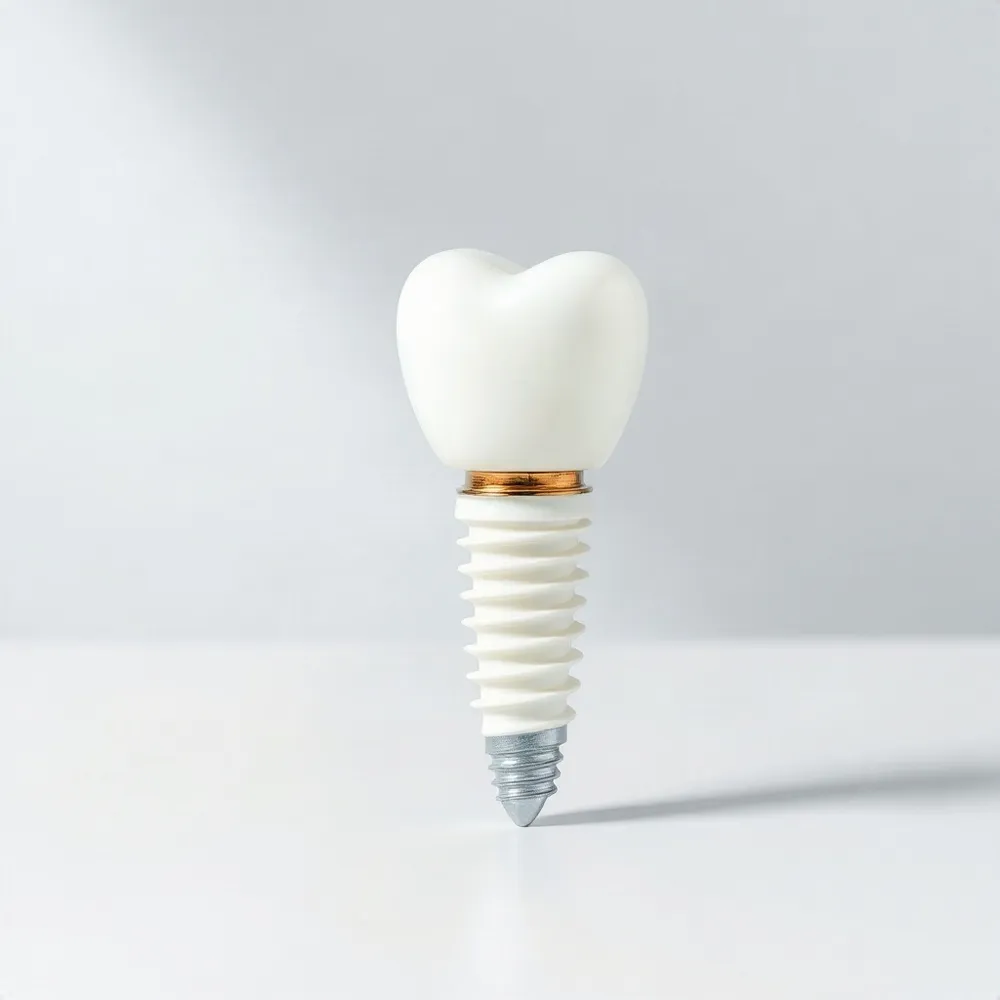 A dental implant succeeds or fails based on one biological event: osseointegration. This is the process where your jawbone grows around the titanium post and fuses with it, creating a stable foundation. When this fusion does not happen properly, the implant cannot anchor itself, leading to looseness and eventual failure. Poor osseointegration is the most common reason implants fail.
Several factors can block osseointegration. Insufficient jawbone density, often from years of tooth loss or gum disease, leaves the implant without enough bone to grip. Smoking reduces blood flow to the gums and bone, making healing much more difficult. Health conditions like uncontrolled diabetes, autoimmune diseases, and certain medications (including some antidepressants) can also interfere with bone growth and integration.
Infection is another major cause of implant failure. Peri-implantitis is a bacterial infection that attacks the gum and bone around the implant, similar to gum disease on natural teeth. If not caught early, it can destroy the supporting bone and cause the implant to loosen. Studies show that peri-implantitis affects a significant number of implant patients, which is why routine checkups are so important.
The good news is that with proper planning and experienced care, dental implants have a success rate of over 95%. At 3D Dental, Dr. Arvilli uses modern 3D imaging and diagnostics to evaluate bone quality and plan each implant with precision. This careful approach, combined with gentle techniques and a warm bedside manner, helps ensure that your implant heals properly and stays secure for years to come.
What Failure Looks and Feels Like
A failing dental implant sends clear visual signals. Look for swelling, redness, or bleeding around the implant, especially when brushing or flossing. Pus or discharge near the site is a definite sign of active infection. Gum recession that exposes the metal post also points to trouble, creating pockets where bacteria can gather.
Touch and feel matter too. A healthy implant feels as solid as a natural tooth. If you notice looseness, shifting when you bite, or discomfort while chewing, the bond between the implant and jawbone may be failing. Many patients also report a persistent bad taste or bad breath that won't go away, often a signal of a serious gum infection.
Pain is not always present, which can be misleading. However, any lingering or worsening pain around the implant should be evaluated. At 3D Dental in Mastic, NY, Dr. Arvilli uses modern diagnostic tools to assess implant health during routine checkups and can spot early signs of trouble before they become severe.
Can Your Body Reject an Implant?
The idea of your body rejecting a dental implant like an organ transplant can be unsettling, but true immune rejection is extremely rare. The material used in most implants, titanium, is compatible with your body, so it is not recognized as a foreign threat by your immune system. According to a 2015 Healthline article, allergic reactions to titanium are possible but uncommon.
What many people call "rejection" is actually implant failure — the implant fails to fuse with the jawbone due to infection, poor bone quality, smoking, or other healing complications. These issues are not the body attacking the implant, but rather a failure of the surrounding tissues to support it properly.
The best way to prevent this outcome is a thorough pre-treatment evaluation. At 3D Dental, Dr. Arvilli uses advanced diagnostics, including 3D imaging, to assess bone density, gum health, and overall healing potential before any implant is placed. This careful planning helps ensure a strong foundation for long-term success.
What to Expect During Healing
It is normal to feel some discomfort after implant surgery, but most patients find that any ache or soreness improves significantly within the first three to seven days. The first 24 to 48 hours tend to be the most noticeable, often described as a dull ache similar to a tooth extraction.
Ice packs and over-the-counter pain relievers are usually enough to manage the soreness. By the end of the first week, the tenderness fades to a mild sensitivity, and most people feel comfortable returning to their normal routine.
While the initial healing phase wraps up in about two weeks, your jawbone will continue to integrate with the implant over the next few months without causing ongoing pain. At 3D Dental, Dr. Arvilli and the team provide gentle, personalized care to keep you comfortable at every stage — from the procedure itself through the full recovery period.
Long-Term Side Effects to Watch For
While dental implants are designed to last for decades, some patients may experience issues years after placement. The most common long-term concern is peri-implantitis, a bacterial infection that causes inflammation and gradual bone loss around the implant. Consistent monitoring is essential to catch any signs early. Gum recession that exposes the metal edge of the implant, along with mechanical problems like a loose screw or chipped crown, can also develop over time.
Rarer complications include nerve injury, which may cause persistent numbness or tingling in the lips, chin, or gums, and sinus problems when upper jaw implants are placed near the sinus cavity. These risks are significantly reduced with thorough pre-treatment planning, excellent oral hygiene, and regular six-month checkups. At 3D Dental in Mastic, NY, Dr. Arvilli uses advanced 3D imaging and gentle techniques to position implants precisely, helping ensure your implant stays healthy and comfortable for years to come.
Is There an Age Limit for Implants?
A common question patients ask is whether they are too young or too old for dental implants. The short answer is that age alone is rarely a deciding factor.
For younger patients, the main concern is jawbone growth. The jawbone must be fully developed before an implant can be placed, which typically occurs in the late teens to early twenties. Placing an implant before growth is complete could lead to alignment issues as the face continues to change.
For older adults, the focus shifts to overall health and bone density rather than the number of candles on the birthday cake. Many patients in their 70s, 80s, and beyond are excellent candidates for implants. In fact, the California Dental Association notes that nearly 15% of adults aged 65 and older have complete tooth loss, making implants a valuable option for restoring function and confidence at any stage of life.
What truly determines candidacy are conditions that can affect healing and implant integration at any age. These include uncontrolled diabetes, active gum disease, significant bone loss, smoking, and certain medications. However, many of these issues are manageable. For instance, a patient with gum disease can often undergo treatment first, and those with insufficient bone may benefit from a bone graft.
The best way to know if dental implants are right for you is a personalized evaluation. At 3D Dental in Mastic, NY, Dr. Arvilli takes the time to review your health history, examine your gums and bone, and discuss your goals before making any recommendations. Whether you are in your 20s or your 80s, a thorough assessment can help determine the safest and most effective path forward.
Can a Failed Implant Be Saved?
A failed dental implant does not automatically mean the end of your smile restoration. Depending on the specific cause and the condition of the surrounding bone and tissue, repair or replacement is often possible. The first step is a thorough evaluation to determine what can be saved and how to move forward.
When Repair Is Possible
Less severe issues may be corrected without replacing the entire implant. A loose crown can often be tightened, and a minor infection caught early may respond to deep cleaning and antibiotics. If the implant itself remains stable but the surrounding gum tissue has receded, a gum graft can help restore support and improve appearance.
When Removal Is Necessary
If the implant has lost its bond with the jawbone or significant bone loss has occurred, removal is the safest option. The procedure is straightforward and performed under local anesthesia. After the site heals, a new implant can often be placed. When bone loss is present, a bone grafting procedure may be recommended first to rebuild a strong foundation for the new implant.
Modern Diagnostics for a Clear Plan
Advanced 3D imaging allows the dentist to assess bone levels, identify hidden infection, and plan the best treatment approach. At 3D Dental in Mastic, NY, Dr. Arvilli uses these tools to create a personalized plan that prioritizes your comfort and long-term success.
What Most People Wish They Knew
One thing many patients wish they had understood from the start is that getting a dental implant is a process, not a single appointment. From the initial consultation to the final crown, the full timeline can take several months. This time is needed to allow the implant post to fully fuse with your jawbone through a process known as integration with the jawbone.
The procedure itself is typically performed under gentle sedation or local anesthesia, so there is no discomfort during surgery. Most patients report that recovery is more manageable than they expected. Your dental team will provide clear aftercare instructions to keep you comfortable throughout the healing period.
Modern 3D imaging and diagnostics allow your dentist to plan the implant placement with great precision, making the experience more predictable and less invasive. At our practice, we use these same advanced tools to ensure every step is tailored to your unique anatomy.
While the timeline may seem lengthy, the result is a permanent, natural-looking tooth that functions just like a real one. Unlike a bridge, an implant does not require altering adjacent healthy teeth, which preserves your natural smile for years to come.
Your Partner in Lifelong Implant Health
Your dental implant is an investment in your smile and your confidence. Staying alert to early warning signs and acting promptly can make the difference between a simple adjustment and a more involved procedure. Regular checkups and consistent daily habits are the foundation of long-term implant success.
At 3D Dental in Mastic, NY, Dr. Eran Arvilli and his team combine modern 3D imaging with a gentle, patient-first approach to monitor your implant’s health at every visit. Whether it’s time for a routine cleaning or you’ve noticed something that doesn’t feel right, you’re always welcome to reach out for a thorough, calm evaluation.
If you have any concerns about your implant, call us today. We’ll help you protect your smile for years to come.