
Start With a Clear Picture
Dental insurance can help make complex care more manageable, but it rarely pays the full cost of every procedure. What your plan contributes depends on its covered services, limits, and cost-sharing rules. Checking those details before treatment can help you plan with fewer surprises.
For families and adults in Mastic, understanding your benefits is a practical first step, not a reason to put off care. A plan may treat fillings differently from crowns, root canals, or implants, and may set separate rules for each. The National Association of Insurance Commissioners’ overview of dental coverage explains that benefits and patient costs vary by policy, so your plan documents and insurer are the best sources for your specific coverage.
At 3D Dental, a full-service practice in Mastic, the team accepts a broad range of insurance plans and provides care that includes restorative and implant dentistry. Broad acceptance does not mean every service is covered under every policy. Confirm your network status and benefits with your insurer, and ask the dental team to help clarify the expected costs before treatment begins.
How Dental Benefits Are Organized
 We know that understanding your dental benefits can feel overwhelming, but we're here to help you make sense of it. Dental plans commonly sort treatment into preventive, basic, and major services. These labels help determine how a plan shares costs, but they are not universal: the same procedure, including a root canal, may fall into different categories under different policies. The NAIC overview of dental insurance explains that coverage and cost-sharing depend on the policy.
What does dental insurance typically cover?
Preventive care often includes routine exams, cleanings, and X-rays. A plan may also cover fluoride treatments or sealants, but age limits, frequency rules, and other terms can apply. Check the policy rather than assuming every preventive service is included or paid in full.
Basic services may include fillings, simple extractions, gum treatments, and some root canals. Major services can include crowns, bridges, dentures, and certain oral surgeries. Procedures such as implants or braces may be covered only under specific plans or not at all, so ask about the exact service being considered.
Plans often pay different portions for preventive, basic, and major care. Your share may also depend on whether you have met the deductible, whether the dentist is in network, and whether a waiting period or annual limit applies. These factors can affect the amount due even when a procedure is listed as covered.
At 3D Dental in Mastic, we focus on providing gentle, comfortable care using modern technology. We offer a wide range of services, including fillings, crowns, root canals, gum disease treatments, implants, and oral surgery. We also accept many insurance plans to help make care more accessible for you and your family. However, it's important to remember that even if we offer a service and accept your insurance, your specific plan may not cover every procedure. Reviewing your benefits and expected costs before treatment can help you make a more informed decision.
Coverage for Major Procedures
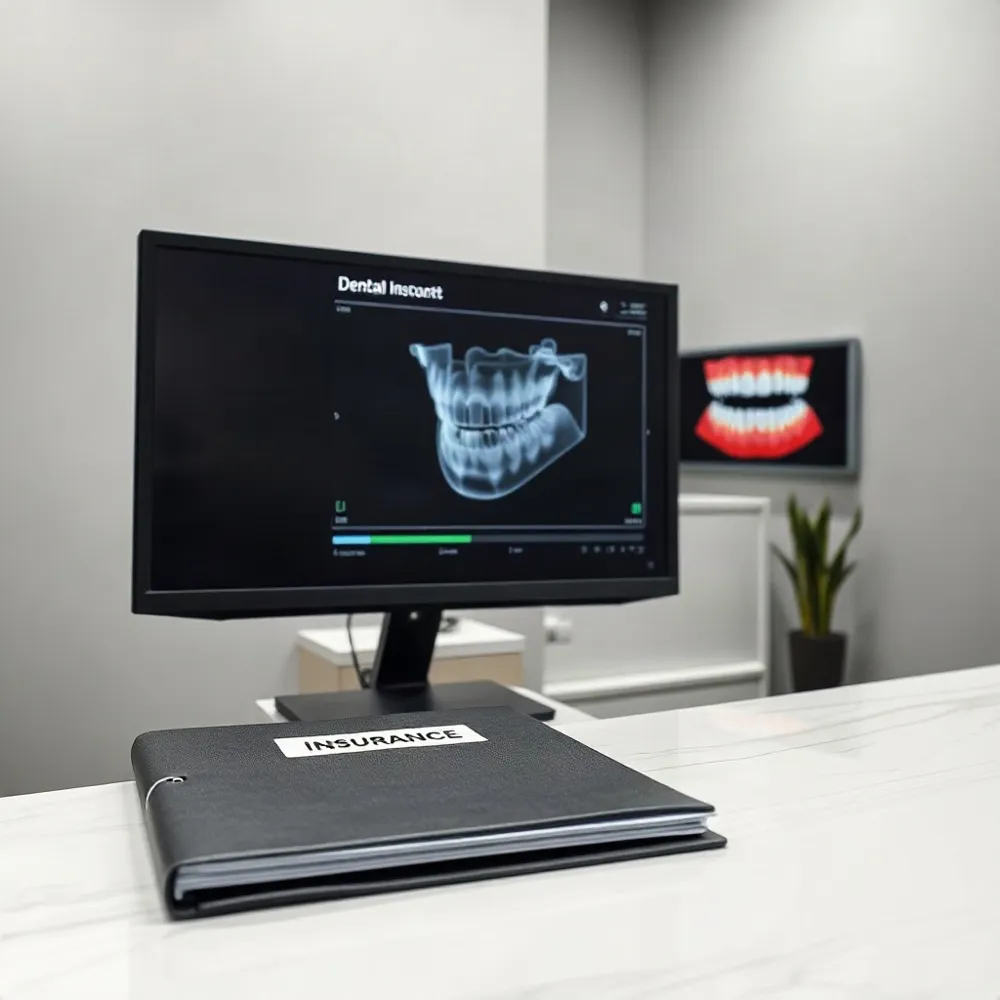 Dental insurance may help pay for root canals, crowns, and bridges, but coverage is often partial and depends on the plan. The National Association of Insurance Commissioners’ guide to dental coverage notes that insurers can classify root canals differently, so the procedure name alone does not tell you what your plan will pay.
A treated tooth may need more than one procedure. For example, a root canal and the crown placed afterward are separate services, and each may have its own coverage category, payment rate, waiting period, or limit. Ask the insurer to review every procedure in the proposed treatment plan rather than treating the work as one benefit.
Implant benefits can be especially uncertain. Many plans do not include implants as a standard benefit; even when a plan does, it may pay only part of the cost or apply specific exclusions and limits. Check the policy’s covered-services list and ask whether any implant-related services are treated separately.
Before starting care, confirm how the plan handles each procedure, including its deductible, remaining annual maximum, waiting periods, frequency limits, and exclusions. Patients at 3D Dental in Mastic can discuss a proposed treatment plan and estimated costs with the office team, while confirming coverage directly with their insurer.
A pretreatment estimate can help you plan, but it is not a promise that the insurer will pay that amount. The final decision depends on the policy and the claim review. Bring questions about the estimate to your insurer and dental office so you understand what may be covered, what you may owe, and what options could help you plan care.
Understanding the Annual Maximum
A dental insurance annual maximum is the most a plan will pay toward covered dental care during a benefit period. The period may not follow the calendar year, so check your plan documents for the exact reset date.
After the plan has paid up to its limit, it generally stops contributing toward additional covered treatment until the next benefit period. You may then owe more of the cost. Some preventive services may be handled differently, depending on your plan, and only services included under its terms count toward the limit.
Before planning extensive care, check your maximum, how much remains, the reset date, and whether pending claims could reduce the available balance. The American Dental Association’s eligibility guidance also recommends confirming coverage and keeping a record of eligibility checks, since benefit information can change.
An estimate can help you understand the likely plan contribution and your potential share, but it does not guarantee what the insurer will pay. At 3D Dental in Mastic, the team offers a broad range of insurance acceptance and can discuss expected costs before treatment, while your insurer and plan documents determine the actual benefit.
If a benefit period is ending, it may be useful to ask whether treatment timing affects your costs. But do not delay needed care only to wait for benefits to reset. Discuss the health needs and timing with your dental team, then weigh those factors alongside your coverage.
Why Waiting Periods Matter
A waiting period is the time after your dental coverage starts before it pays for certain services. This delay can affect whether your plan helps pay for treatment scheduled soon after you sign up, so it is worth checking before you make plans.
Some plans use waiting periods to manage costs and discourage people from signing up only when they expect to need expensive treatment. The rules can differ by procedure: preventive visits may be covered sooner, while more involved procedures like fillings or crowns may have a delay. The American Dental Association’s overview of dental plans explains that plan types and their features vary, so a general description cannot confirm what your specific plan will cover.
There is no single waiting period that applies to every insurance plan. A plan may have a waiting period for one service but not another, and some plans have no waiting period for certain treatments. We suggest looking at your plan details or calling your insurance company to ask about your specific procedure, instead of just relying on a general term like “major care.”
If you had similar insurance before, you might be able to skip the waiting period, but the new plan decides who qualifies. A waiver is not guaranteed, even if you had insurance without a break. Ask your insurance company what proof it needs and whether the waiting period can be skipped for your specific treatment.
At 3D Dental in Mastic, we welcome you to discuss your care and insurance questions with our team before treatment. We are committed to providing gentle care and using modern technology to make your visit comfortable. Our office works with many insurance plans, which can help your family find the care you need, but it does not guarantee that a particular plan will cover a service. We recommend checking with your insurance company about when your coverage starts for your specific procedure, and our team is here to help you understand what that means for your costs.
What Patients May Pay
The amount you pay depends on more than whether a procedure appears on your plan’s covered-services list. Your plan’s specific terms—like what you pay regularly, what you pay before coverage starts, and what you pay for each visit—all shape your final costs.
Think of a premium as your regular membership payment to keep your plan active. A deductible is the amount you pay for care before your plan starts to share the cost. A copay is a fixed fee for a specific service, and coinsurance is the percentage you pay after your deductible is met. These charges can apply even when a procedure is covered.
Will dental insurance cover the full cost of treatment? It’s a common question, and the answer is often not a simple yes or no. “Full coverage” usually means a plan may help pay for several types of care, not that it pays every bill in full. Your share may also depend on whether the dentist is in network and on the insurer’s allowed amount—the figure it uses to calculate payment. As a result, the percentage your plan says it covers may not match the same percentage of your dentist’s full fee. The National Association of Insurance Commissioners offers a helpful overview of dental coverage that explains how different plans and cost-sharing work.
Some plans have limits on how often you can receive certain treatments, waiting periods before coverage kicks in, or specific services they don’t cover. If your plan has reached its yearly limit, it may not contribute toward additional care for the rest of the year. For families in Mastic and across Suffolk County, checking these limits before treatment can help clarify what may be left to pay.
At 3D Dental, our team is happy to review your available benefit information and discuss an estimate before your care begins. This helps you plan ahead, though please keep in mind that the final payment decision is made by your insurer when they process the claim. We always recommend confirming your plan details and asking about any expected costs in advance.
Check Benefits Before Treatment
 Before scheduling treatment, gather your insurance card, member ID, and details of the care your dentist has recommended. Call your insurer or ask the team at 3D Dental to help review the plan information available. Start by confirming that your coverage is active for the date of care and whether the practice is in network for your specific plan.
Then ask how the plan handles each proposed procedure. Confirm the coverage category and percentage or copay, any deductible you still owe, and how much of your annual maximum remains. Ask about waiting periods, frequency limits, exclusions, and whether the insurer requires preauthorization or a referral. A plan’s general description may not reflect the rules for a particular treatment.
Request a written estimate that explains the expected plan payment and your estimated share. Treat it as a planning tool, not a promise: the insurer makes its final decision under the terms of your policy, and eligibility or benefit information can change.
Plan for Extensive Care
How can I plan for extensive dental treatment if insurance does not cover the full cost? Start by asking your dentist for a written treatment plan and estimate. It should list each proposed procedure and explain your expected share after the office considers the benefits reported by your insurer. An estimate can support planning, but it is not a guarantee of what the insurer will pay.
At 3D Dental in Mastic, the team provides restorative, implant, endodontic, and oral-surgery care, so a plan may involve more than one type of treatment. Ask the office to confirm benefits for each proposed service with your insurer, including any exclusions, waiting periods, or approval requirements. The American Dental Association’s eligibility guidance also recommends checking coverage on the date of service, since eligibility can change.
If several procedures are recommended, ask which are time-sensitive and whether other care could be scheduled in stages. Your dentist can explain the health risks of waiting and whether spacing appointments is appropriate. Avoid postponing treatment based only on cost or insurance timing, because the safest schedule depends on your oral health.
You can also ask whether another treatment approach would meet your needs. Discuss the benefits, limitations, and expected costs of each option with your dentist, who can guide the decision based on your examination and oral-health goals. A different approach may affect both the treatment plan and what your insurance covers, so confirm the details before moving ahead.
If insurance leaves a balance, ask the office whether payment arrangements or third-party financing are available. Before agreeing, review any fees, interest charges, eligibility rules, payment deadlines, and consequences of missed payments. Make sure the proposed monthly amount fits your household budget, and ask for the terms in writing.
A clear plan can help families and individuals in Suffolk County weigh treatment choices without feeling rushed. Understanding the expected costs, insurance limits, and clinically appropriate timing ahead of time makes it easier to plan care at a manageable pace.
A More Informed Next Step
Dental insurance can help with treatment costs, but a general description of a plan cannot confirm what it will pay for your care. Your current plan documents and insurer’s decision determine coverage, including any exclusions, waiting periods, deductibles, or limits.
Before complex care begins, ask the insurer how each proposed procedure is classified, whether it is covered, and what costs may remain your responsibility. You can also bring those questions to the dental office and ask for an estimate. An estimate can support planning, but it is not a guarantee of the insurer’s final payment.
At 3D Dental in Mastic, the team provides care ranging from restorative treatment to implants, with modern 3D imaging to support diagnosis and planning. The practice accepts a broad range of insurance, though benefits depend on each patient’s policy. Sharing your questions before treatment can help you understand the options and feel more prepared. You deserve clear explanations and time to consider your next step, without pressure to make a decision before you are ready.