Care That Grows With Your Family
Family dentistry works best as an ongoing relationship, not just a visit made when a tooth hurts. A familiar dental team can learn your history, understand your concerns, and help you keep up with routine care over time. Research following a group of New Zealanders found that people who attended routine checkups more consistently had better oral-health measures as adults, though the study shows an association rather than proof that visits alone caused those results (long-term dental visiting study).
Needs change as children’s teeth develop, adults manage daily wear and gum health, and older adults face new concerns. Familiar care gives families a steady place to ask questions and discuss changes, while recommendations can be adjusted to each person. For families in Mastic and across Suffolk County, 3D Dental offers care for children and adults alongside restorative, periodontal, and other services, with modern 3D imaging and a Spanish-speaking team.
Regular care is a practical way to support oral health, not a promise that problems will never arise. At 3D Dental, gentle, personalized care and a calm, judgment-free approach can help make visits feel more manageable. Your dentist can recommend a schedule based on your needs, so each family member can take a steady next step.
Building a Preventive Care Routine
 Preventive dental care combines everyday habits with professional visits to help keep teeth and gums healthy and spot concerns early. At 3D Dental in Mastic, preventive care is part of a broader range of services for children and adults, with recommendations shaped around each patient’s needs.
A preventive visit commonly includes an examination and a professional cleaning. The dentist checks the teeth and gums, while the cleaning removes plaque and tartar that home brushing cannot fully clear. X-rays may be recommended when appropriate to assess areas that are difficult to see during an examination.
Daily care matters between appointments: brush twice a day with fluoride toothpaste and clean between your teeth each day. These habits complement professional care but do not replace examinations and cleanings. Depending on a patient’s age and risk of decay, a dentist may also recommend fluoride treatment or sealants. Sealants are often considered for children and adolescents to protect the chewing surfaces of back teeth.
Many people are advised to have a cleaning and checkup about every six months, but the right interval is personal. A history of cavities, gum disease, or other oral-health concerns may call for more frequent visits. Research following a New Zealand cohort found that routine dental attendance was associated with better oral-health indicators in adulthood, though it does not prove that visits alone caused those differences (long-term dental visiting study).
If you are unsure how often to book, ask your dentist to recommend a schedule based on your oral health and risk factors. At 3D Dental, modern 3D imaging and diagnostics can support assessment when imaging is appropriate, while the team can help families plan care around their individual needs.
The Value of Familiar Family Care
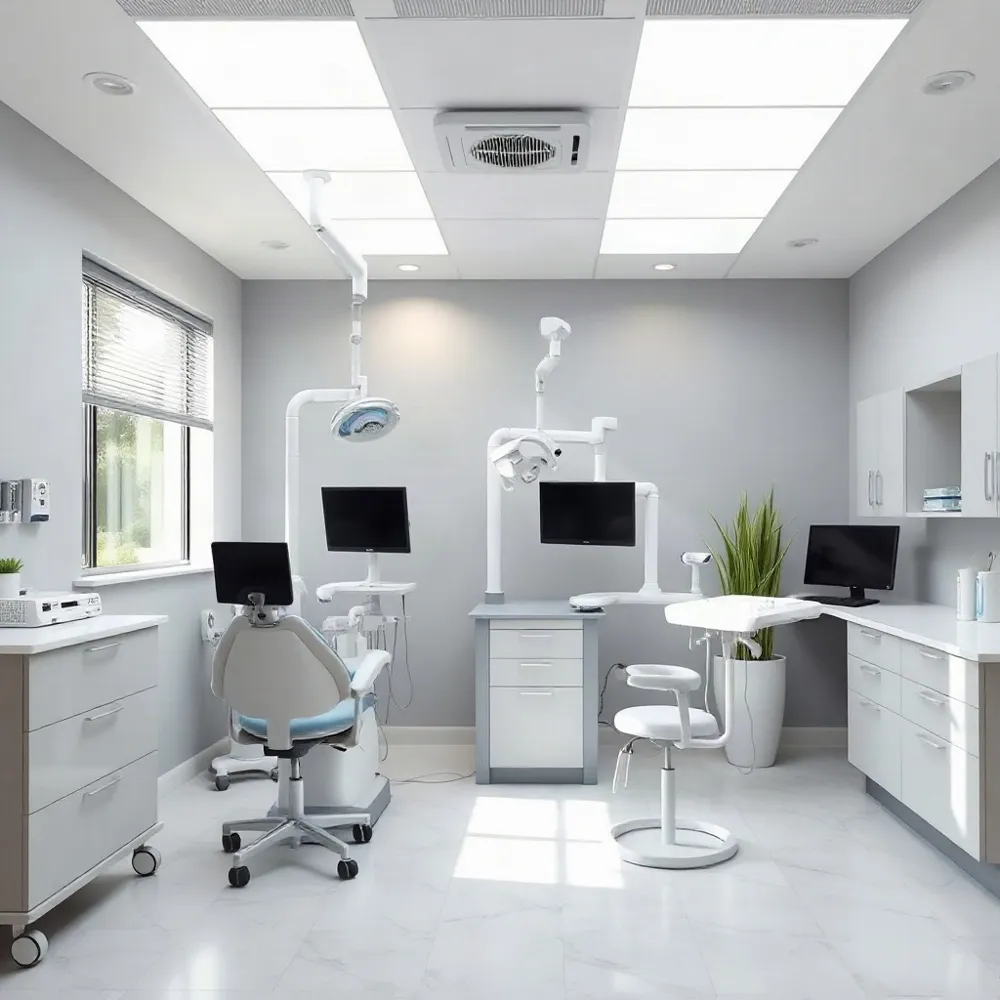 A family dentist can care for children, adults, and older adults in one familiar office. Coordinating appointments in one place may save time and make it easier for everyone to keep up with care. At 3D Dental in Mastic, the team provides pediatric and adult services alongside restorative, periodontal, and other dental care, so families can find support as their needs change.
What are the benefits of having a family dentist?
Over time, a dental team can learn each person’s history, preferences, prior concerns, and treatment. That context can help the dentist make recommendations suited to the individual and compare current findings with earlier visits. A longitudinal study of New Zealand patients found that routine dental attendance over time was associated with better adult oral-health measures, though it does not prove that visits alone caused those outcomes (study of dental visiting patterns and adult oral health.
The questions a dentist considers also change with age. For children, visits can include monitoring tooth and jaw development and discussing whether an orthodontic evaluation may be appropriate. Adult care may respond to changes in gum health, tooth wear, or restorative needs, while older adults may need adjustments for dry mouth, sensitivity, or other age-related changes. 3D Dental’s modern 3D imaging and diagnostics can support the team’s assessment when imaging is appropriate.
Familiarity may help children build positive associations with dental visits, and a calm setting can make it easier for family members to feel comfortable asking questions. 3D Dental emphasizes gentle, personalized care and has Spanish-speaking staff, helping patients communicate in a way that feels accessible.
Organized records can also provide useful context when a new concern or sudden tooth pain arises. A team that knows a patient’s previous findings and treatment can use that history to guide its assessment and discuss next steps, without assuming that every concern will have the same cause. For families looking for a consistent local practice, choosing a trusted family dentist in Mastic can begin with considering whether the office’s services, communication, and approach fit their needs.
Finding Problems Before They Progress
Cavities, gum disease, and enamel wear can develop gradually, sometimes before a person notices pain or another clear symptom. Routine examinations give a dentist a chance to check for these changes while they may still be easier to address. At 3D Dental, modern 3D imaging and diagnostic tools can add detail to an exam when further assessment is appropriate.
A visual check is only part of a preventive visit. Professional cleanings remove plaque and hardened tartar that brushing may not reach, while digital X-rays and intraoral cameras may help reveal concerns beneath the surface or in areas that are difficult to inspect directly. These tools support assessment, but the dentist decides which are appropriate for each patient.
Finding a concern early does not guarantee that it will be avoided or that treatment will be simple. Still, a developing problem may call for less involved care than an untreated infection or advanced gum disease. A 2010 study following a New Zealand cohort found that routine dental attenders had more favorable oral-health indicators by age 32, with longer-lasting routine attendance associated with better outcomes. The observational study shows an association, not proof that visits alone caused the differences, and it does not describe 3D Dental patients. The study of long-term dental visiting patterns offers context for why ongoing care can matter.
Access can also shift as people age. Research on Medicare beneficiaries found changes in dental service use around and after age 65, including declines in some types of care. These are population-level findings, not predictions about any one person, but they underline the value of discussing coverage and practical barriers before care is interrupted. Research on Medicare beneficiaries’ dental service use examines these patterns. For families in Mastic, 3D Dental’s broad insurance acceptance and same-week appointment availability may help make ongoing care more accessible.
Comfort Through Trust and Communication
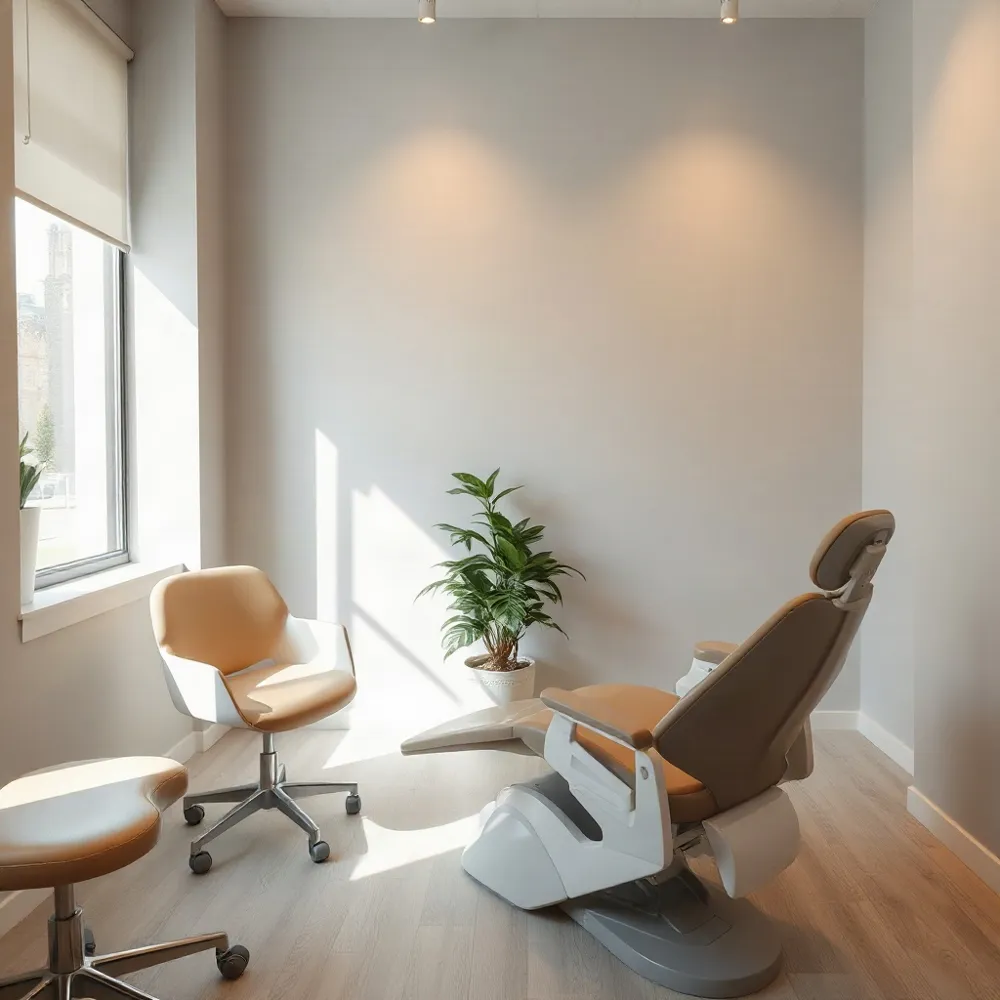 Dental anxiety is worry or fear connected with a dental visit or treatment. It can stem from a difficult past experience, concern about discomfort, unfamiliar sounds, or feeling that you have little control. These feelings vary from person to person, and telling the dental team about them is a useful first step toward a more comfortable visit.
Before treatment, share what feels difficult and ask the dentist to explain what will happen. You can agree on a hand signal to pause, request a short break, and try slow, steady breathing if that helps you feel calmer. Patients who understand their choices and feel able to speak up may find it easier to take part in decisions about their care.
Clear communication also makes treatment planning more personal. It gives you room to ask questions, describe preferences, understand what the examination shows, and discuss the available options. When the next steps are clear, you can make informed decisions with your dental team and know what to expect between visits. The research on patient well-being discusses why care should account for more than clinical findings alone.
Familiarity can help some patients feel more at ease. A team that knows your concerns and preferences may make it easier to raise questions and understand what will happen, though each person’s experience is different. At 3D Dental in Mastic, the practice background emphasizes gentle, personalized care in a calm, judgment-free setting. Gentle sedation options are also available when appropriate, and patients can discuss whether they may suit their needs.
A comfortable appointment does not require you to hide your worries or agree to a plan before you understand it. Share concerns openly, ask for clarification, and let the team know if you need a pause. These conversations can help care feel more respectful and manageable.
Continuity Across Changing Needs
Continuity of dental care means returning to a familiar practice over time, rather than treating each visit as a separate event. A dental team can consider earlier findings and treatment alongside current concerns, medications, and health history when discussing what care may be appropriate.
Comparing changes across visits may help a dentist recognize patterns, such as shifting teeth, gum changes, or recurring sensitivity, and talk through suitable next steps. It cannot guarantee that every concern will be found early or prevent every problem, but an ongoing record gives the team useful context. A long-term study found that routine dental attendance was associated with better oral-health measures in adulthood, though the findings do not prove that visits alone caused those outcomes (long-term dental visiting study.
For children, regular visits let the dentist follow tooth and jaw development while the child becomes familiar with the team and setting. Adults’ needs may shift with changes in oral health, habits, or medical history. Older adults may also need care adjusted as teeth, gums, or daily comfort change.
At 3D Dental in Mastic, modern 3D imaging and diagnostics can support assessment over time, while the team’s gentle, personalized approach gives patients room to discuss questions and concerns. Regular appointments help maintain a preventive relationship, rather than making care depend only on an urgent problem.
Why is continuity of dental care important?
It helps the dental team understand how your oral health changes, including past treatment and relevant health history. That context can inform recommendations and make conversations about care more comfortable. For families, a familiar dental home can support children as they grow and help adults and older adults adapt their care as needs change.
A Community Practice for Ongoing Care
For families and individuals in Suffolk County, having a nearby practice that can respond to changing dental needs can make ongoing care easier to manage. In Mastic, 3D Dental, led by Dr. Eran Arvilli, provides care for patients at different stages of life.
The practice offers general, cosmetic, restorative, implant, periodontal, endodontic, oral surgery, and pediatric dentistry. That broad range gives patients a place to ask about different types of care, though a dentist can explain which services fit each person’s needs.
Modern 3D imaging and diagnostics support assessment and treatment planning. Same-week appointment slots and same-day emergency care may help patients seek attention when scheduling is a concern or an urgent problem arises. The office also accepts a broad range of insurance and has Spanish-speaking staff.
A calm, judgment-free approach and gentle, personalized care can help patients feel heard as they discuss their concerns and preferences. When choosing or returning to a practice, ask about appointment availability, insurance coverage, language support, and the care recommended for your situation.
A Steady Path to Lifelong Oral Health
Regular preventive visits, attention to new concerns, and a familiar dental team can help people care for their teeth and gums as their needs change. A long-term study found that routine dental attendance was associated with better oral-health measures in adulthood, though it cannot prove visits alone caused those outcomes. The study of long-term dental visiting patterns offers support for consistent care, not a guarantee for any individual.
The right schedule depends on a person’s oral health, history, and needs, so recommendations may differ across a household. In Mastic, families and adults can talk with the team at 3D Dental about questions, comfort preferences, and a preventive schedule that feels manageable. The practice offers gentle care, modern 3D imaging, and broad insurance acceptance to help make ongoing dental visits accessible.