
A Dental Home for Every Age
Choosing a family dentist is about more than finding an office nearby. Comfort, access, clear communication, and care that can adapt as family members grow all matter. A practice that treats different age groups may make it easier to keep care coordinated and build familiarity with the dental team over time.
For families in Mastic and across Suffolk County, 3D Dental offers general and pediatric dentistry alongside restorative, cosmetic, and other services. Its team also provides modern 3D imaging, same-week appointment slots, and gentle sedation options, which families can ask about when deciding what fits their needs.
This guide offers practical questions to use when comparing dental practices, from the services they provide to how they explain treatment and costs. For insurance questions, the American Dental Association’s dental insurance FAQ explains why plan rules and out-of-pocket costs can vary. A respectful, welcoming experience can help every family member feel more at ease returning for care.
Fit for Your Family
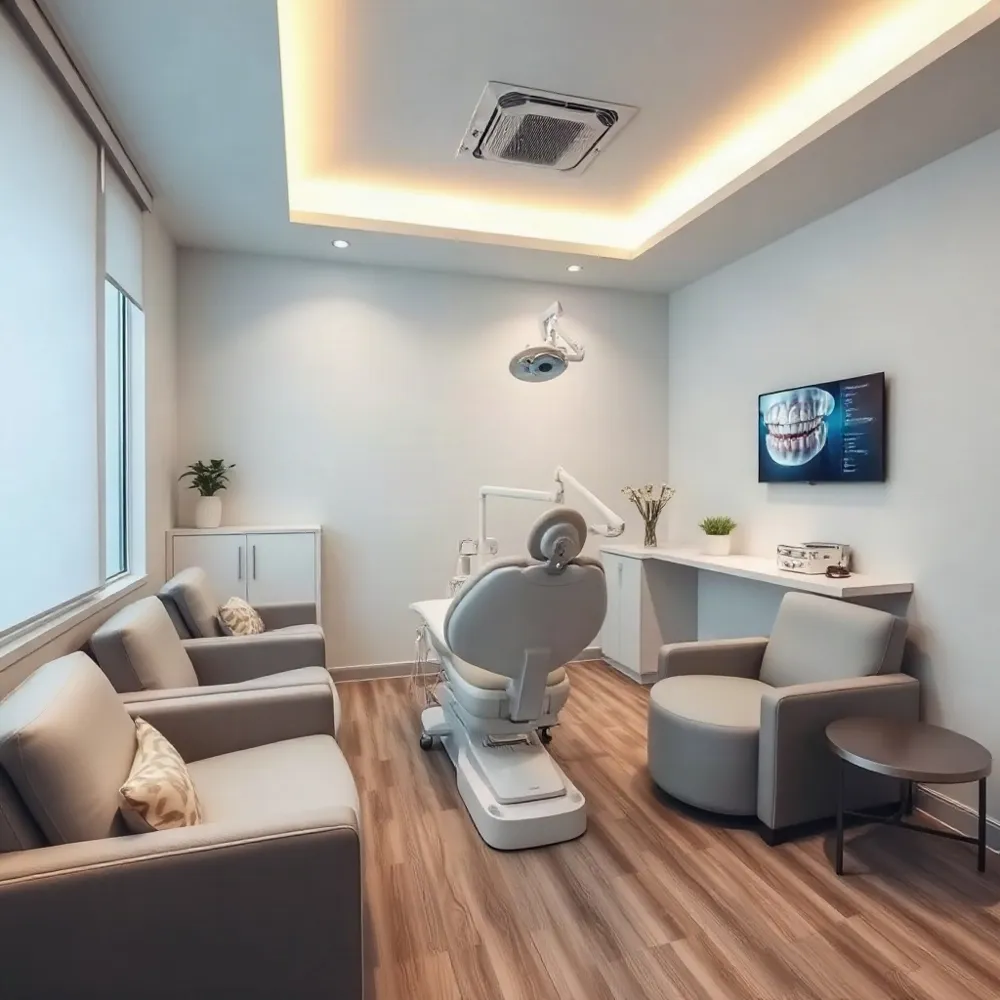 What should you look for when choosing a family dentist? Start with whether the practice can care for the ages and needs in your household, from children’s preventive visits to adult restorative treatment. Ask which services are provided in the office, when a referral might be needed, and how the team keeps care coordinated as needs change.
In Mastic, 3D Dental is led by Dr. Eran Arvilli and offers general, cosmetic, restorative, implant, periodontal, endodontic, oral surgery, and pediatric dentistry. Families can ask how its modern 3D imaging supports diagnosis and treatment planning, and whether the available services fit each family member’s needs.
Practical access matters too. Consider the office’s location and hours, how soon appointments are available, and what happens when someone has an urgent problem. 3D Dental’s practice information describes same-week appointment slots, same-day emergency care, gentle sedation options, and a bilingual team that speaks Spanish. Ask the office which options are available for your situation. Its brief also notes broad insurance acceptance, but check whether your specific plan is accepted and what costs may remain. The American Dental Association’s dental insurance FAQ explains why network status, plan limits, and coverage terms can affect what patients pay.
Reviews and recommendations from people you trust can offer useful perspectives, but one rating cannot tell the whole story. Look for recurring comments about clear communication, comfort, and respectful care. During a call or introductory visit, notice whether the team listens, explains recommendations, and takes anxiety seriously. Those conversations can help you decide whether the practice feels like a trusted fit for your family.
Questions for Your First Visit
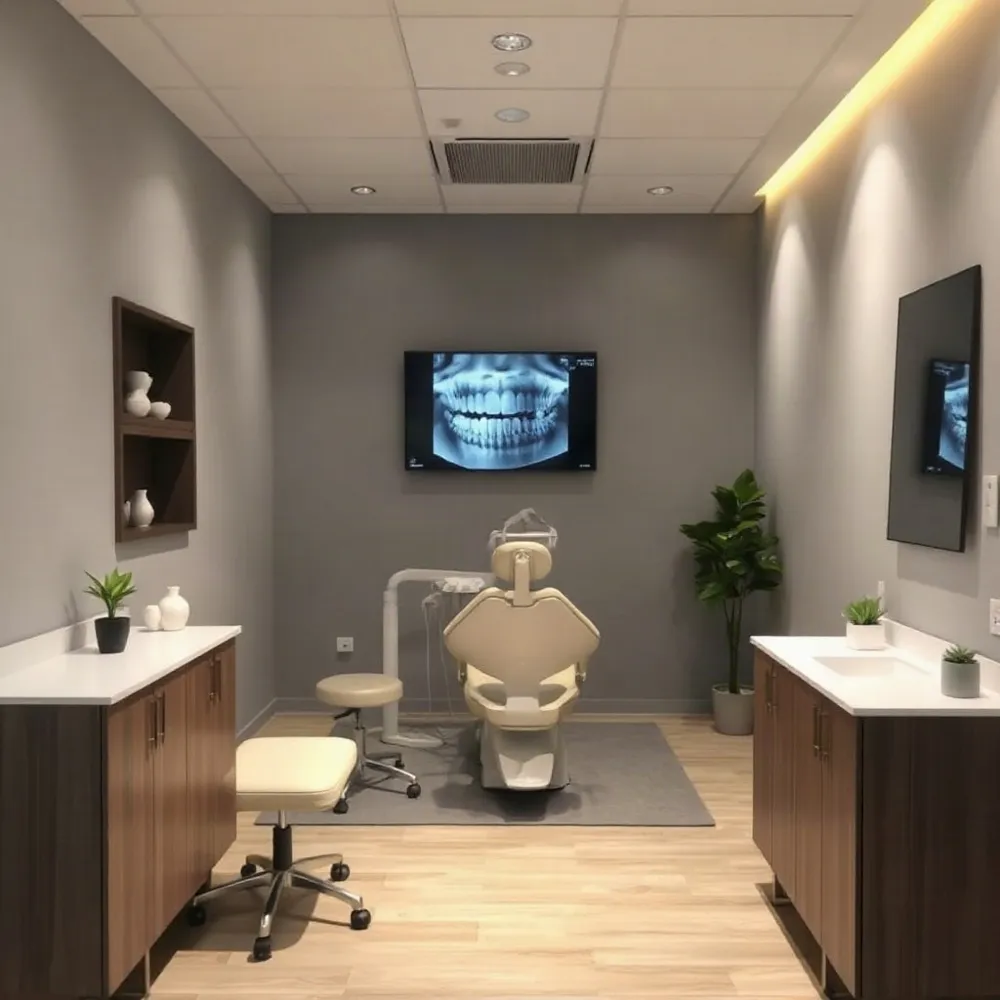 A first appointment is a chance to understand your oral health and decide on next steps, not a test you need to prepare for. At 3D Dental, the team aims to provide gentle, personalized care, and patients can ask for clear explanations at any point.
What did you notice during my exam?
Ask what the dentist observed and which findings may need attention now or monitoring over time. If a treatment is recommended, ask what options are available, what each involves, and how soon it should take place. Modern 3D imaging and diagnostics at 3D Dental can support assessment and treatment planning, while your dentist can explain what the results mean for you.
What will care cost, and how might insurance apply?
Request an estimate before proceeding, and ask what your plan may cover, what you might owe, and whether payment options are available. Coverage depends on the details of your individual plan, so it is worth confirming benefits and asking how the office explains estimates or insurance decisions. The American Dental Association’s dental insurance FAQ explains why plan limits and coverage rules can affect patient costs.
What can help me feel comfortable?
Tell the team about dental anxiety, sensitivity, or a past experience that made care difficult. You can ask them to explain each step, pause when needed, or discuss gentle sedation options. At 3D Dental, a calm, judgment-free approach is intended to help patients feel heard and more at ease.
Before leaving, ask for practical guidance on brushing, flossing, or any care related to your treatment, and ask when to schedule your next visit. You should have time to raise concerns and receive answers in language you understand. If you speak Spanish, 3D Dental’s bilingual team can communicate in Spanish as well.
Understanding Insurance and Estimates
How does dental insurance billing work?
A dental office typically submits a claim describing the care provided, then the insurer reviews it under your plan’s rules. The exact process can vary, so ask whether the office checks your eligibility before treatment and what steps you may need to take.
Your share of the cost may depend on your deductible, coverage level, annual maximum, frequency limits, waiting periods, network status, and the plan’s allowed fees. The American Dental Association’s dental insurance FAQ explains these common plan features, but your insurer can confirm the terms that apply to your policy.
Insurance approval does not necessarily mean a service matches the dentist’s recommendation, and an estimate is not a promise of final payment. The insurer makes the coverage decision after reviewing the claim. Ask the office to explain the estimate, help interpret your explanation of benefits, provide claim documents if needed, and clarify any balance you may owe. At 3D Dental in Mastic, the team’s broad insurance acceptance can help families discuss coverage, while each plan’s benefits still need to be checked individually.
What services might a dental insurance plan not cover?
Coverage varies. Some policies may exclude certain cosmetic procedures or limit benefits for crowns, implants, or orthodontics. Pre-existing-condition exclusions may apply under some plans, and waiting periods, fee limits, deductibles, or annual maximums can leave patients responsible for part of the cost. Before treatment begins, request an estimate and confirm specific benefits with your insurer.
If a claim is denied or the final amount differs from the estimate, ask the office what documentation is available and whether the decision can be appealed. Clear explanations can help you understand your options and plan for any remaining expense.
Comparing Insurance and Self-Pay Costs
Neither dental insurance nor paying directly is automatically less expensive. The better fit depends on your family’s plan, expected care, and the costs you would pay even with coverage.
Compare the monthly premium, deductible, copays or coinsurance, covered services, and whether your dentist participates in the plan’s network. Also check annual maximums, waiting periods, exclusions, and limits on how often a service is covered. The American Dental Association’s dental insurance guidance explains that plan terms affect what patients may owe, and coverage may not match a dentist’s recommended treatment.
A plan may be worthwhile when your household uses covered preventive care and other benefits. Deductibles or benefit limits can still leave you with costs, though. Paying out of pocket may cost less when expected care is limited or premiums exceed the value of benefits you use, but that depends on your circumstances.
Before deciding, review your plan documents and ask the dental office to explain network status and likely patient costs. At 3D Dental in Mastic, families can ask about broad insurance acceptance and request an estimate for recommended treatment, without assuming that a plan will cover the full amount.
Making Care Feel More Manageable
Dental anxiety can have many sources. Some people worry about injections, extractions, root canal treatment, or care for a painful tooth. For others, a difficult past experience, unfamiliar sounds, fear of pain, or feeling out of control is what makes an appointment hard.
Before treatment, tell the dental team what feels uncomfortable and ask for a clear explanation of what will happen. Knowing the next step can make care feel less uncertain. You can also agree on a signal that means “please pause,” and ask whether breaks are possible.
Numbing methods and sedation may be options in some situations, but the right approach depends on the person and the planned care. Discuss any health concerns and preferences with the dentist rather than assuming a particular option will suit everyone. At 3D Dental, patients can ask about gentle sedation options as part of a calm, judgment-free approach.
When comparing practices, families can ask how the team supports nervous adults and children, explains procedures, and responds when a patient needs time. At 3D Dental, the team’s gentle, personalized care and Spanish-speaking staff can help patients discuss their concerns in a way that feels comfortable.
Knowing Which Provider May Help
Dental titles can sound unfamiliar, but each describes a focus of care. You do not necessarily need a specialist: a general dentist often provides a family’s routine care and can explain when another provider may be appropriate.
General dentists provide checkups, cleanings, fillings, and many restorative or cosmetic treatments. Pediatric dentists focus on children’s oral health and development. Orthodontists address tooth and jaw alignment, while periodontists treat gum disease and may provide some implant-related care. Endodontists treat problems inside teeth, including those that may require root canal treatment.
Oral and maxillofacial surgeons handle procedures involving the mouth and jaw. Prosthodontists restore or replace missing or damaged teeth. These areas can overlap with services offered by general dentists, so the right provider depends on the specific concern and treatment plan.
At 3D Dental in Mastic, the range of care includes general, pediatric, periodontal, endodontic, implant, and oral surgery services, alongside restorative and cosmetic dentistry. The practice also uses modern 3D imaging and diagnostics to inform treatment planning. Ask which services are available in the office and when a referral may be helpful.
If a recommendation is made, ask what the proposed care is intended to address, what alternatives may be available, and who will coordinate the next steps. A general dentist can help explain options in terms of your needs and make the process easier to understand.
Choose a Practice You Can Return To
The right family dentist is not necessarily the office with the longest service list. Look for care that fits your household, clear communication, appointment access, and a comfort approach that helps each person feel respected. At 3D Dental in Mastic, same-week appointments, same-day emergency care, gentle sedation options, and a Spanish-speaking team can address practical needs families may want to discuss.
Bring your questions, review cost estimates, and confirm how your specific plan may apply. The American Dental Association’s insurance guidance recommends asking about network status, plan limits, and expected costs, since coverage varies. Notice whether the team listens and explains options without pressure.
An open conversation is a practical first step. When you can discuss your family’s needs and understand the next steps, ongoing dental care can feel easier to plan and return to.