A Gentle New Era in Dentistry
Nearly three out of four U.S. adults experience some level of dental anxiety. This fear often leads to postponing or skipping appointments, allowing small issues to turn into painful, costly problems.
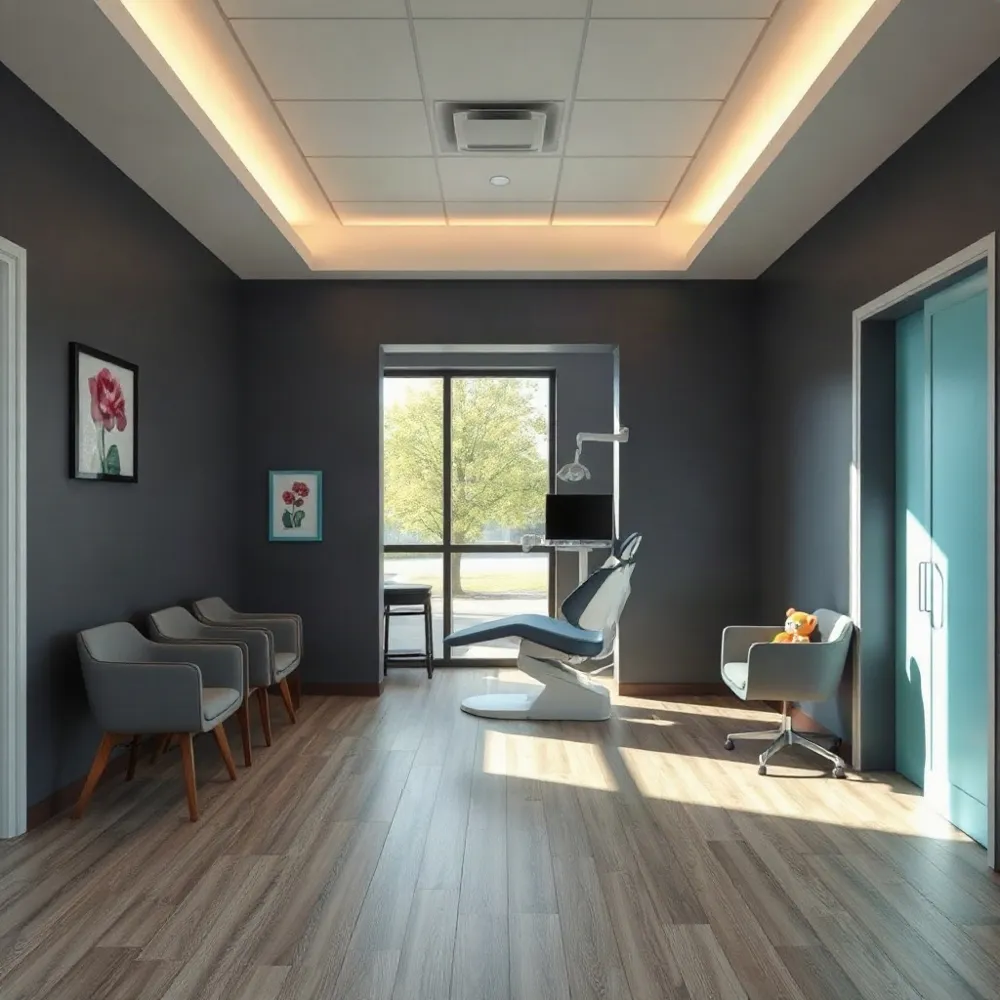
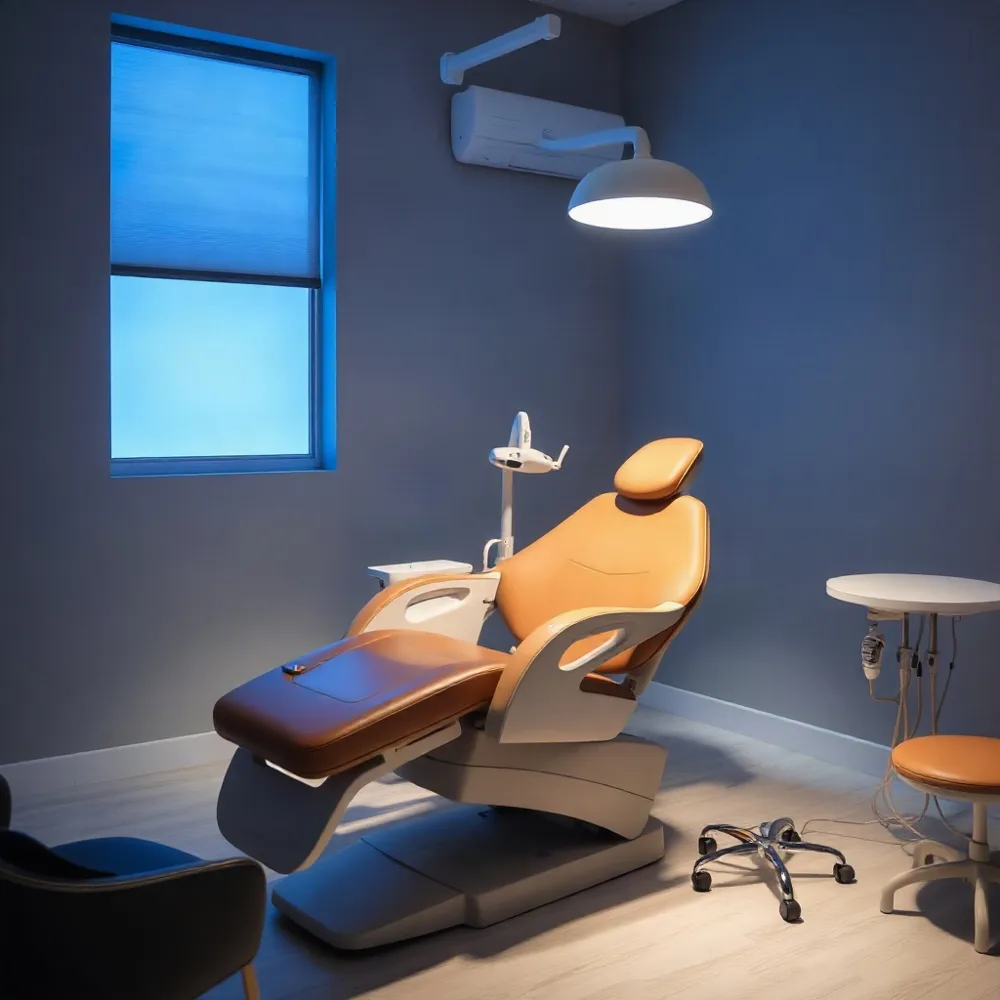
Modern sedation techniques now offer a comfortable path forward. By using medication to ease stress, patients can receive the care they need without dread. At 3D Dental in Mastic, the focus is on creating a calm, judgment-free environment where gentle sedation options help break the cycle of fear and avoidance.
Understanding Dental Fear
 Dental fear is far more common than many realize. A 2025 national study published in the Journal of the American Dental Association found that nearly 73% of U.S. adults report being afraid of going to the dentist. This widespread concern often leads people to avoid regular care, allowing issues to become more serious over time.
This fear has real roots. The mouth is a sensitive and vulnerable area, and the experience of someone working inside it can trigger a natural "fight or flight" response. Past negative experiences, such as a painful procedure, often create lasting anxiety. For others, fear develops from stories they have heard from family or friends, or from a general fear of pain or needles.
The good news is that fear of the dentist can be managed. Choosing a practice that takes anxiety seriously is the first step. At 3D Dental in Mastic, the team encourages open communication before any procedure, allowing patients to explain their concerns and set the pace. Simple strategies like agreeing on a hand signal to pause, taking breaks as needed, or bringing headphones to listen to music can make a significant difference.
For those who need extra support, a range of gentle sedation options can help turn a stressful appointment into a calm, comfortable experience. With a caring team and the right approach, it is possible to overcome dental fear and maintain a healthy, confident smile.
What Is Sedation Dentistry?
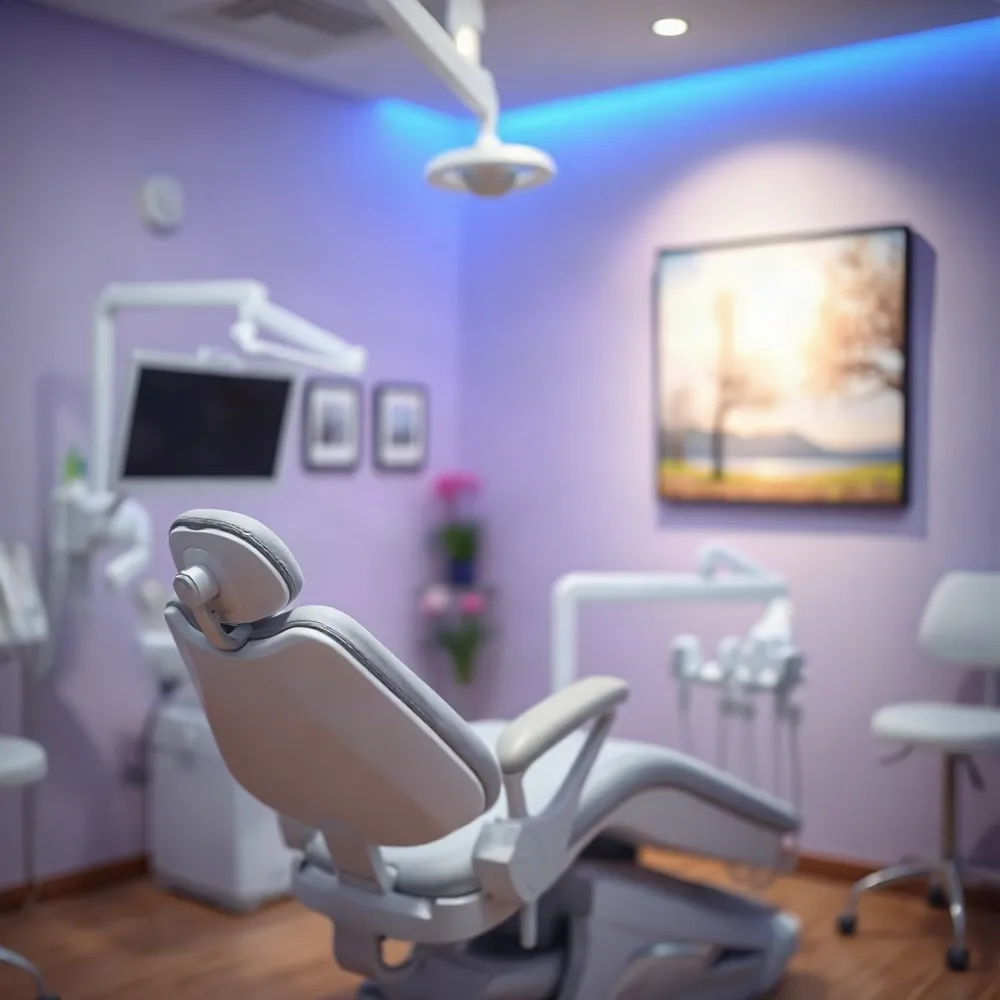 Sedation dentistry uses medication to help you feel at ease during dental procedures. The goal is to make your visit comfortable and stress-free, so you can get the care you need without fear or discomfort.
Whether you need a routine cleaning or a more complex treatment like tooth extraction or implant placement, sedation can help. As described by the Cleveland Clinic, sedation dentistry is sometimes called conscious sedation or twilight sleep: you remain awake and able to respond, but you do not feel pain and may have little or no memory of the procedure afterward.
Ranges of Sedation
Sedation exists on a continuum. Minimal sedation keeps you awake and deeply relaxed. Moderate sedation (oral or IV) can make you drowsy, and you may slur your words but can still be woken. Deep sedation places you on the edge of consciousness, while general anesthesia makes you completely unconscious — the latter is typically used in a hospital or surgery center for young children, adults with special needs, or severe dental anxiety.
Who Can Benefit?
Sedation is recommended for patients who experience: fear of dental treatment or needles, a very sensitive gag reflex or teeth, claustrophobia in the treatment chair, difficulty controlling movements, or physical, behavioral, or cognitive needs that make it hard to relax. If you've been avoiding the dentist because of anxiety, sedation can help you regain control of your oral health.
A gentle approach can make even the most anxious patient feel safe. At 3D Dental, gentle sedation options are available to help you receive the care you need in a calm, judgment-free setting.
Personalized Planning
Before your sedation appointment, a thorough consultation reviews your medical history, anxiety level, and the length and type of your procedure. The dentist uses this information to create a personalized sedation plan that is safe and tailored to you. For patients receiving oral or IV sedation, you will need someone to drive you home. Many patients find that with sedation, their dentist can complete multiple treatments in fewer visits, reducing the overall time spent in the chair.
Gentle Options: Nitrous Oxide and Oral Sedation
For many patients, the thought of a dental appointment brings on nervousness. Two of the most common and gentle sedation options—nitrous oxide and oral conscious sedation—are designed to help you feel at ease without putting you completely under. Both let you stay awake and responsive while removing the stress from your visit.
Nitrous Oxide (Laughing Gas)
Nitrous oxide is a mild sedative gas you inhale through a mask or nosepiece. It produces a sense of calm within 3–5 minutes, and you remain awake and able to talk with your dentist. Once the procedure is done, the gas is flushed out with pure oxygen, and the effects wear off within 15–30 minutes—so you can drive yourself home afterward. Nitrous oxide is safe for extended use under professional monitoring, and your dentist can adjust the flow throughout the appointment.
Oral Conscious Sedation
Oral sedation involves taking a prescription pill about an hour before your procedure. Common medications include triazolam (Halcion), zaleplon (Sonata), lorazepam, or midazolam. They induce drowsiness and a deep sense of relaxation—some patients even fall asleep. While you remain conscious, you likely won’t remember much of the treatment. Because the grogginess lasts several hours, you will need a friend or family member to drive you home and stay with you afterward.
Pain-Free Treatment with Both Options
Neither nitrous oxide nor oral sedation numbs your teeth—they manage anxiety, not pain. After you are relaxed, your dentist will still give local anesthetic injections to the treatment area, ensuring you feel no discomfort. This combination of gentle sedation and targeted numbing helps patients who previously avoided care finally receive the treatment they need in a calm, judgment‑free environment.
At 3D Dental, we take the time to learn about your health history and comfort level so we can recommend the sedation method that fits you best. Whether you choose nitrous oxide for a quick filling or oral sedation for a longer procedure, our team will be with you every step of the way.
| Sedation Type | How It's Taken | Onset / Duration | Can You Drive? |
|---|---|---|---|
| Nitrous Oxide | Inhaled via mask | Onset 3–5 min; wears off 15–30 min | Yes |
| Oral Sedation | Pill taken 1 hour before | Onset 20–30 min; grogginess 4–6+ hours | No |
IV Sedation for Deeper Relaxation
For patients who need a greater level of relaxation during dental care, IV sedation offers the deepest form of conscious sedation available in a dental office. Administered directly into the bloodstream through an IV line, this method uses sedative medications to produce a state often called "twilight sleep." You remain awake and can respond to verbal cues, but you feel no discomfort and may have little or no memory of the procedure.
IV sedation is especially suited for those with severe dental anxiety, a sensitive gag reflex, or a need for lengthy or complex treatments. Because the medication enters the vein directly, the dentist or a trained professional can adjust the dosage throughout the appointment to keep you comfortable. Vital signs such as heart rate and oxygen levels are monitored continuously to ensure safety. At 3D Dental, the team uses this careful, personalized approach to help you feel calm and at ease, even during more involved procedures.
Because IV sedation leaves you drowsy for some time afterward, you must arrange for someone to drive you home. Full recovery typically takes about 24 hours, during which rest is recommended. This option allows many patients to complete multiple procedures in fewer visits, reducing the overall treatment timeline and helping them maintain better oral health without the stress of repeated appointments.
Safety, Side Effects, and Recovery
Sedation dentistry is safe but the level of monitoring and recovery needs differs by option. Nitrous oxide is the mildest. Patients feel calm within minutes, and the gas is flushed from the body with pure oxygen after the procedure. Recovery takes 15 to 30 minutes, and there are no driving restrictions — most people return to normal activities right away.
Oral sedation and IV sedation require more caution. These medications can cause drowsiness for up to 24 hours. Patients must not drive during that time and should rest at home with a friend or family member nearby. Common side effects include bruising at the IV site, dry mouth, headaches, and nausea; most resolve within a day. Children may experience fever, irritability, or snoring, which typically resolve within 48 hours.
Before any sedation appointment, your dentist reviews medical history, current medications, and may require fasting. For deeper needs, general anesthesia performed in a hospital setting is available for young children, adults with special needs, or severe dental anxiety. At 3D Dental, the team creates a personalized plan after a thorough consultation, ensuring the safest approach for each patient in Mastic.
Modern Sedation for Special Needs and Children
For many families in the Mastic, NY area, a routine dental visit can feel overwhelming for a loved one with a disability. For patients with conditions such as autism spectrum disorder (ASD), attention deficit hyperactivity disorder (ADHD), cerebral palsy, or Down syndrome, the sensory environment, physical movements, and communication challenges of a dental office can create genuine distress. Sedation dentistry offers a way to deliver necessary care without triggering fear or resistance, making treatment possible for those who might otherwise avoid it.
Children face similar hurdles. Young age, limited ability to cooperate, or a previous negative experience can turn a simple checkup into an ordeal. Pediatric sedation uses carefully measured medications to help a child remain calm and still while the dentist works. At 3D Dental, Dr. Arvilli and the team take extra time to understand each child's unique needs, creating a sedation plan that prioritizes comfort and safety.
Nitrous oxide (laughing gas) is a common choice for children and patients with mild to moderate needs. It has a success rate of 85.4% in pediatric patients and produces fewer adverse reactions (5%) compared to oral midazolam (25%). Its rapid onset and clearance make it well suited for patients who may struggle to tolerate a mask. For patients with cerebral palsy, nitrous oxide is often preferred because it is less likely to interact with other medications they may be taking.
For patients who need a deeper level of sedation, such as those with severe anxiety, combative behavior, or complex medical histories, general anesthesia may be arranged in a hospital or ambulatory surgery center. This option is typically reserved for young children, adults with special needs, or anyone whose condition makes conscious sedation insufficient. After any sedation procedure, children may experience side effects like fever, irritability, nausea, vomiting, or snoring; these usually resolve within 48 hours. The team at 3D Dental provides detailed aftercare instructions and a reassuring presence every step of the way.
The Cost and Value of Sedation Dentistry
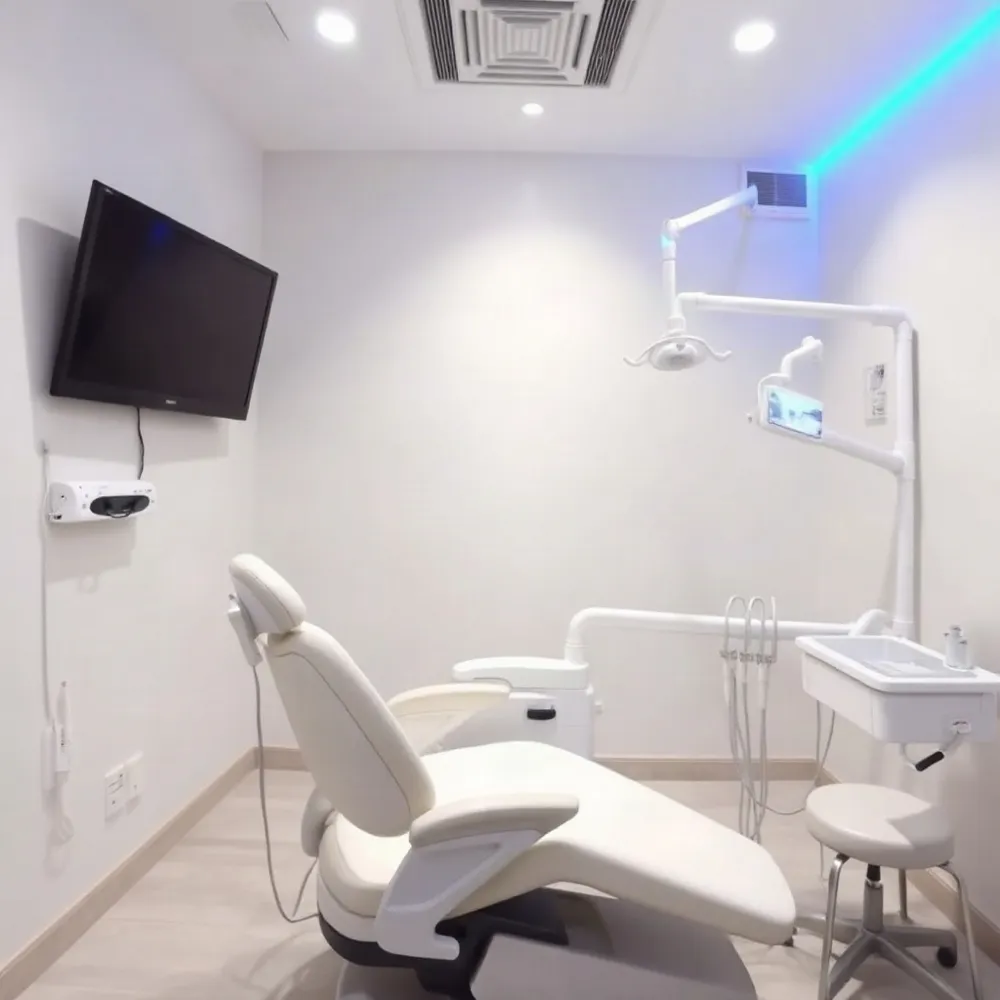 The cost of sedation dentistry depends on the type you choose. Nitrous oxide, often called laughing gas, is the most affordable option and typically costs between $50 and $150 per session. IV sedation, which provides deeper relaxation, is more expensive and often involves a significant out-of-pocket expense.
Most standard dental insurance plans do not cover sedation. At 3D Dental, the team works with patients to explore payment plans and options, making gentle, anxiety-free care more accessible.
While sedation adds a cost upfront, it can save money in the long run. When you are calm and comfortable, the dentist can complete multiple procedures in a single visit. This reduces the number of appointments you need, cutting down on time off work and eliminating the stress of repeated visits.
Preventing small issues from becoming major problems is another way sedation pays off. Patients who once avoided care due to fear can now receive regular treatment, catching cavities and gum disease early. This helps avoid the higher costs of complex procedures like root canals, extractions, or implant surgery that become necessary when dental problems are left untreated.
The value goes beyond dollars. Less anxiety, fewer appointments, and better oral health outcomes mean you can maintain a healthy smile without the stress that once kept you from the dentist's chair.
Your Comfort Is Our Priority
Modern sedation has helped countless patients in the Mastic area move past their fear and receive the dental care they need.
At 3D Dental, Dr. Eran Arvilli and his team take a gentle, personalized approach to every visit. They take the time to understand each patient's concerns and medical history before developing a sedation plan tailored to their specific needs.
If you have been putting off dental care due to anxiety, consider scheduling a consultation to explore your sedation options. Patients who once avoided the dentist often return for regular checkups and maintain better oral health, knowing they can receive treatment in a calm and comfortable setting.