Understanding Dental Anxiety and How to Move Forward
Dental anxiety is more common than many realize. Studies show that approximately 36% of people experience some fear of dental treatment, with 12% suffering from extreme fear. For about one-third of Americans, this anxiety leads to avoiding the dentist altogether, creating a cycle where small problems grow into more serious issues.
The causes of this fear are varied. For some, past painful experiences create lasting apprehension. For others, the sounds of drills, the smell of chemicals, or the feeling of being out of control in the dental chair trigger a strong stress response. Conditions like needle phobia, a sensitive gag reflex, or claustrophobia can also make routine visits feel overwhelming.
Gentle dentistry offers a different path. The goal is to provide compassionate, judgment-free care that respects each patient's concerns. This approach combines clear communication, a calming environment, and targeted sedation options so that everyone can receive the care they need without fear.
The sections ahead explore how sedation, a welcoming atmosphere, and a dedicated local team can make dental visits comfortable. For patients in Mastic, NY, 3D Dental combines these elements with modern technology and a bilingual, friendly staff to help families and individuals overcome dental anxiety and build a healthy smile.
Why Dental Anxiety Is So Common and What You Can Do
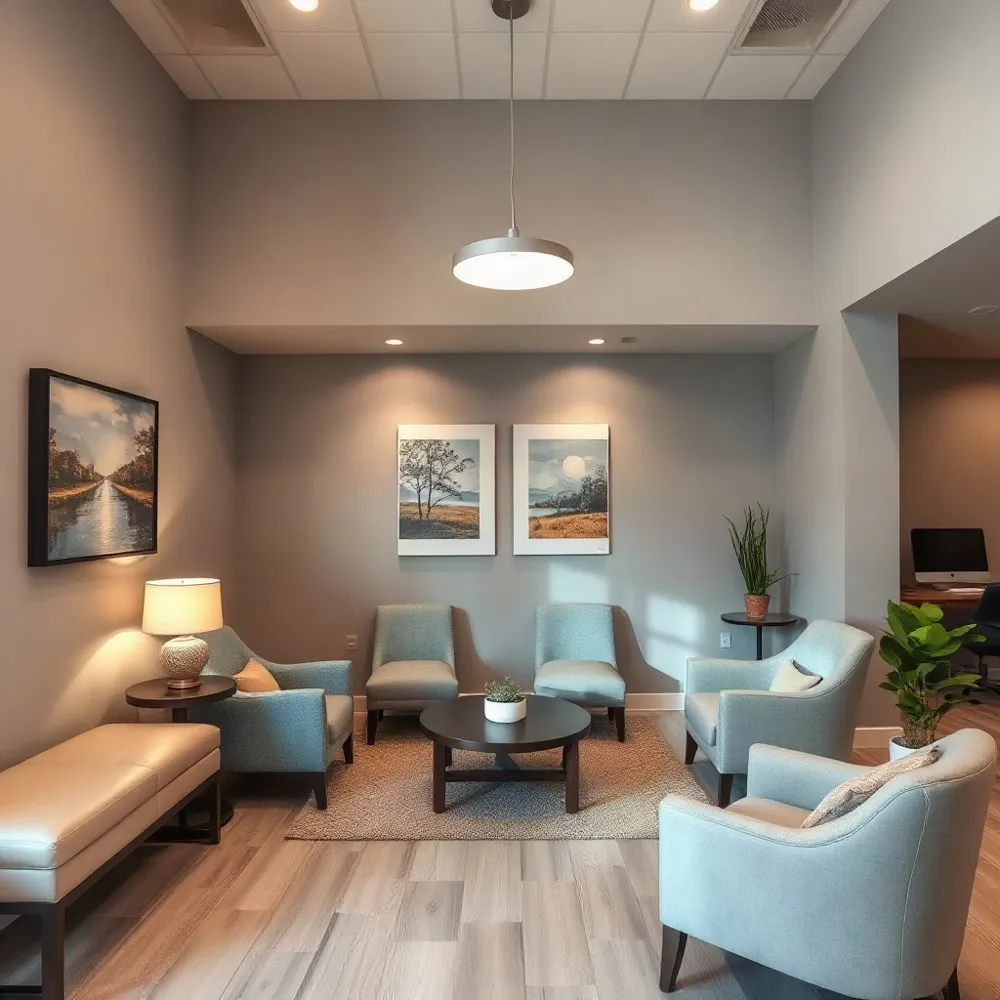 You are not alone in feeling nervous about a dental appointment. Studies show that roughly 36% of people in the U.S. have some level of dental fear, and about 12% experience extreme anxiety, causing around 22% of patients to skip necessary visits.
This anxiety often starts with a past negative experience — a painful procedure, a rushed visit, or even hearing a family member's frightening story. Media portrayals and common triggers like the sound of a drill, the scent of a clinic, or a fear of needles can also play a role.
Physically, dental anxiety can show up as a racing heart, sweating, or nausea. These sensations can make the visit feel overwhelming, leading to avoidance, which in turn lets small issues grow into bigger ones — creating a cycle that feels hard to break.
The first step is simply talking about it. A caring team expects these feelings and can adjust the pace, explain each step, and offer gentle sedation options to help you feel at ease. At home, simple habits like deep breathing, listening to calming music, or bringing a supportive friend can make a real difference in how you feel from the moment you walk in the door.
How Your Dental Team Eases Anxiety Every Step of the Way
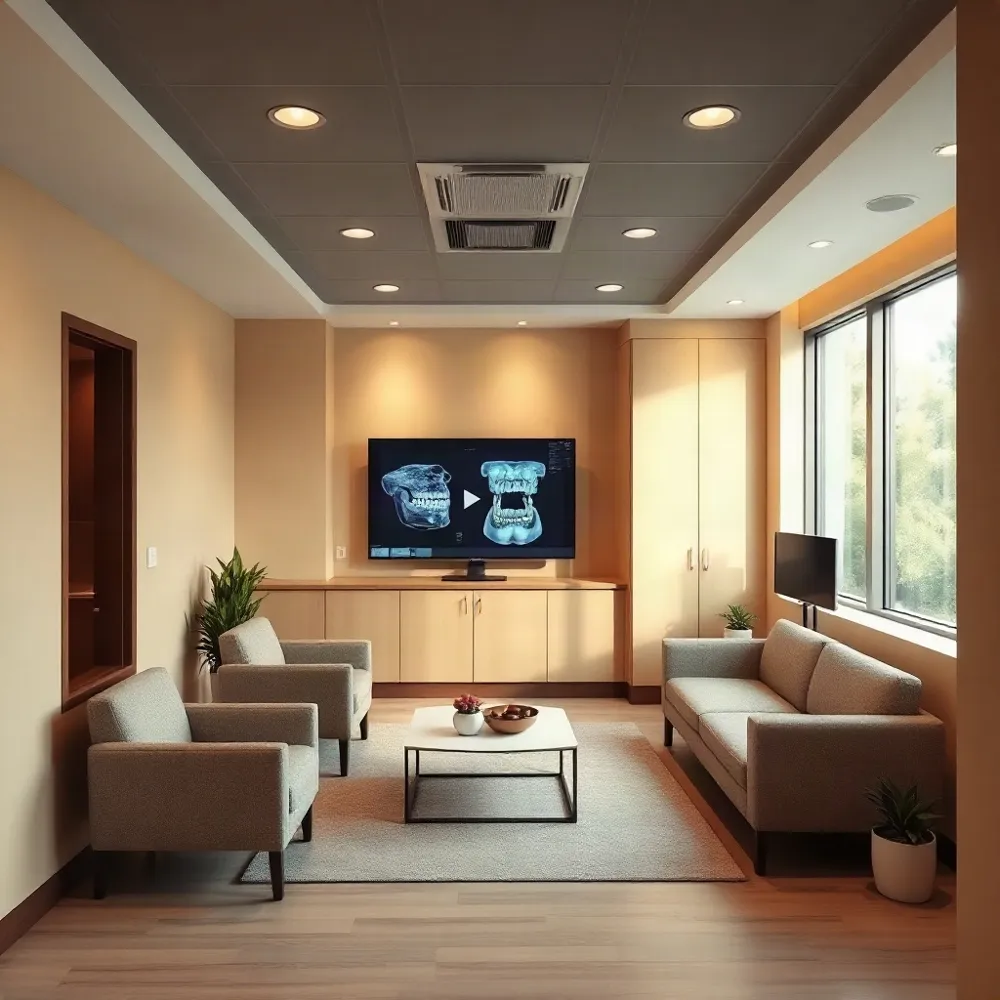 A dental visit starts long before you sit in the chair. The first step is open communication — your team should take time to understand your concerns and answer any questions before any treatment begins. Clear explanations of each step help reduce the fear of the unknown, a major trigger for dental anxiety.
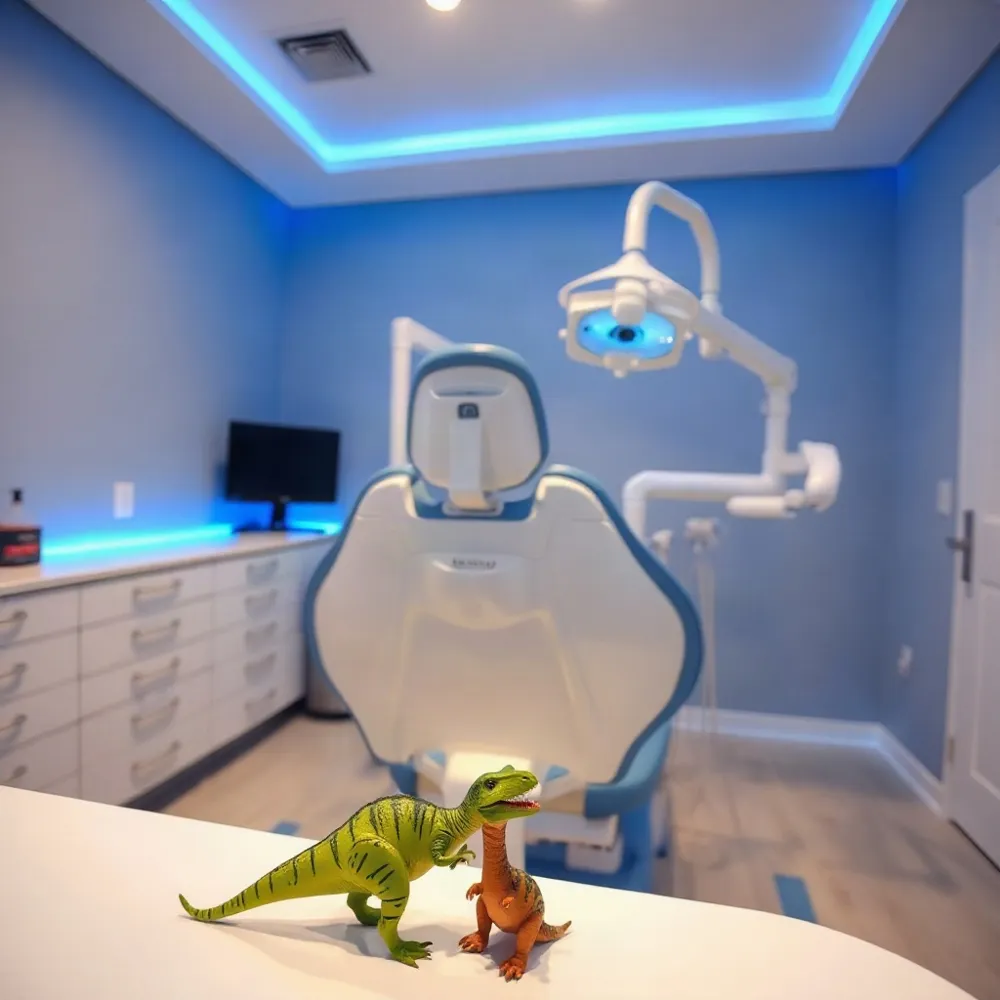
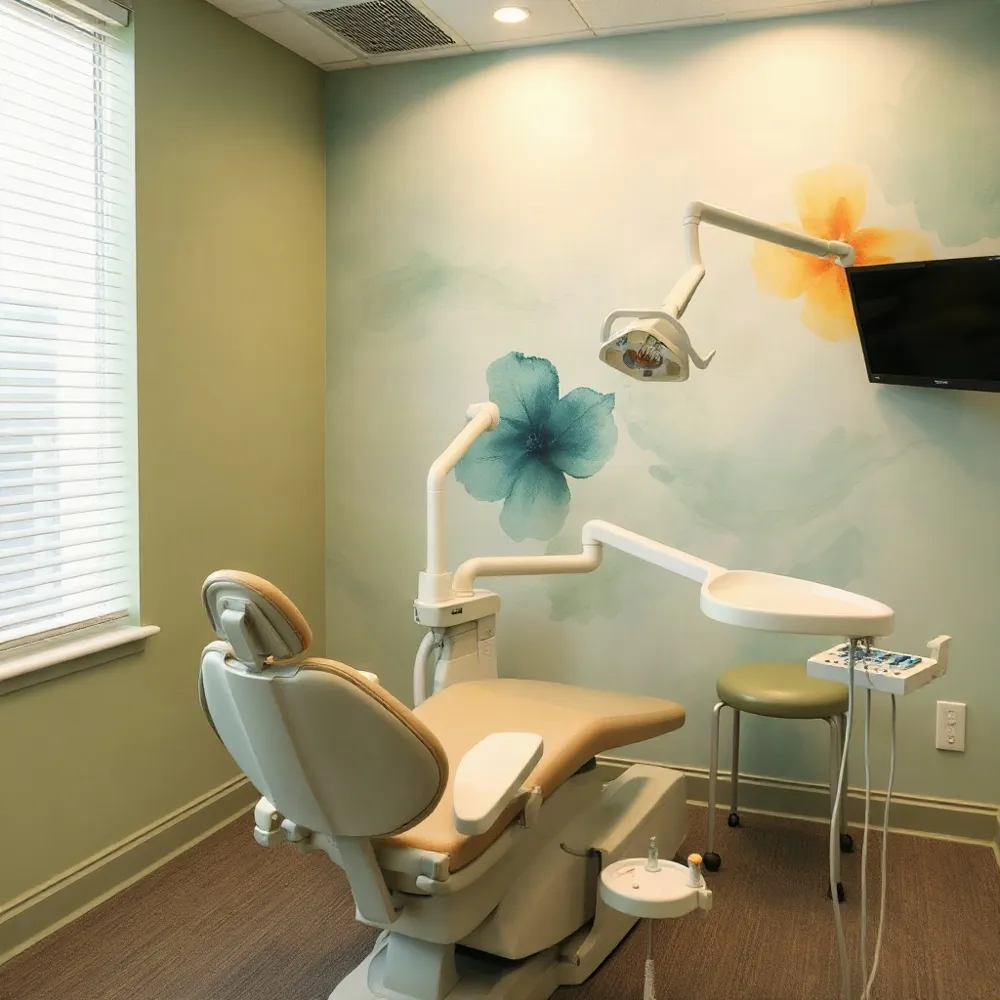
The physical environment matters, too. A calming office uses soft lighting, comfortable seating, soothing colors like blues and greens, and quiet background music or nature sounds to mask clinical noises. Air purifiers and gentle scents can replace the typical clinical smells, making the space feel more like a relaxed lounge than a treatment room.
A compassionate team approach goes beyond the setting. Dentists and staff listen without judgment, encourage you to share fears, and give you control during the visit. You can use hand signals to pause treatment at any time, request breaks during procedures, or bring a blanket or stress ball for added comfort. At 3D Dental in Mastic, the team personalizes every care plan to match your specific fears and needs, helping you feel safe and supported from the moment you walk in.
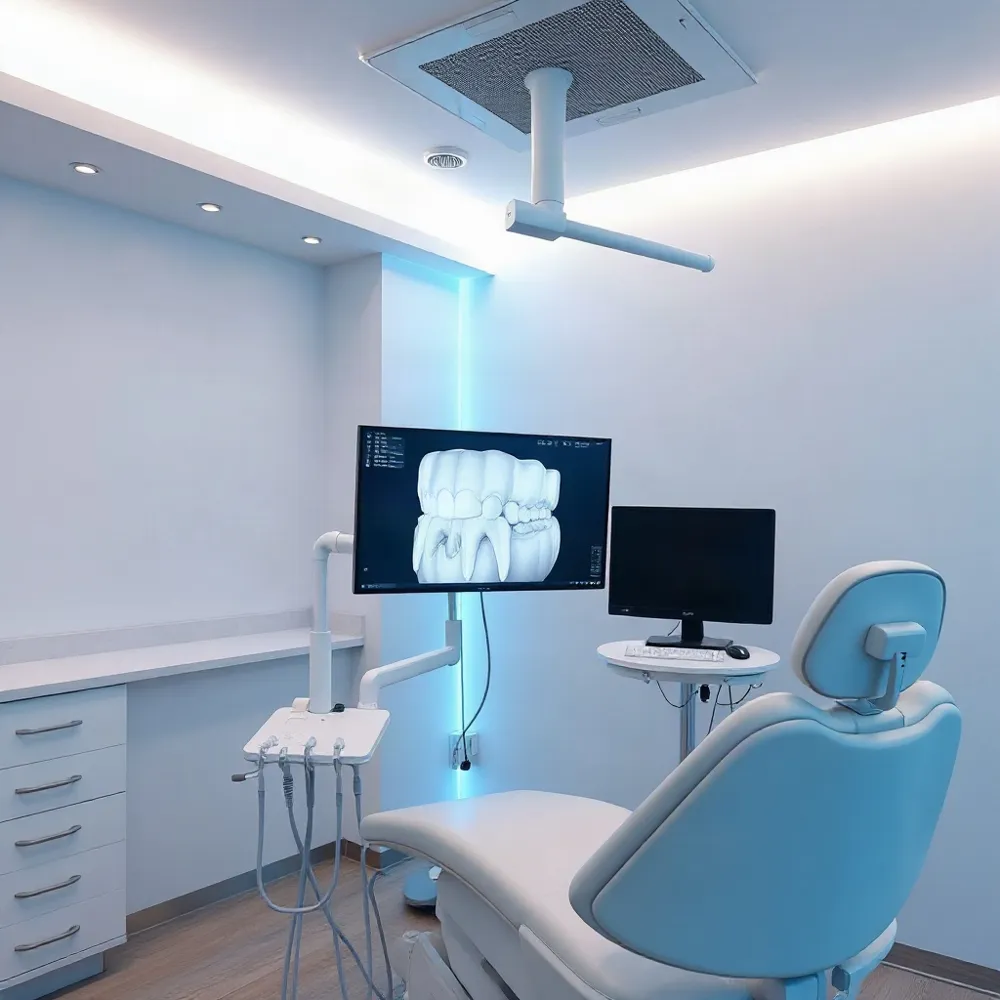
Modern technology also plays a role. Tools like 3D imaging allow dentists to show you exactly what is happening in your mouth and explain the planned treatment in simple terms. This reduces uncertainty and often speeds up procedures, meaning less time in the chair. The goal is to create a judgment-free experience where your comfort is the priority every single visit.
Understanding Your Sedation Options: From Laughing Gas to IV
Sedation is not a one-size-fits-all solution. The level of medication used ranges from minimal (you are awake and relaxed) to deep (you are on the edge of consciousness). Your dentist will recommend a type based on your anxiety level, the procedure's complexity, and your overall health.
Nitrous Oxide. Often called laughing gas, this is a mild sedative inhaled through a small mask. It takes effect within minutes and produces a calm, floating feeling. The gas is flushed out with pure oxygen at the end of the procedure, so the effects wear off within minutes. You can drive yourself home after the appointment. It is ideal for patients with mild to moderate anxiety or for shorter procedures like fillings and cleanings.
Oral Conscious Sedation. You take a prescribed pill, typically a type of anti-anxiety medication, about an hour before the appointment. You remain awake and responsive but feel deeply relaxed and drowsy. A common effect is that you likely won't remember much of the procedure. Because the medication lasts several hours, you will need someone to drive you home.
IV Sedation. Medicine is delivered directly into a vein, allowing for fast-acting, deep relaxation. This method is often called "twilight sleep" because you are technically conscious but feel very little. The dentist adjusts the dosage throughout the procedure and monitors your oxygen, heart rate, and blood pressure continuously. Patients typically have no memory of the treatment afterward. This option is best for severe dental anxiety or lengthy procedures. A responsible adult must drive you home.
For the deepest level of sedation, general anesthesia may be used in a hospital or surgery center. It renders the patient completely unconscious and is reserved for young children, adults with special needs, or those with extreme dental phobia. At 3D Dental, Dr. Arvilli offers gentle sedation options as part of a comprehensive care plan, combining modern technology with a warm bedside manner to help every patient feel safe and relaxed.
The table below summarizes the key differences between the most common sedation types to help you and your dentist make the right choice.
| Sedation Type | How It's Given | Experience | Recovery & Transport |
|---|---|---|---|
| Nitrous Oxide | Inhaled through a nasal mask | Mild relaxation; awake and responsive | Effects wear off in minutes; you can drive home |
| Oral Sedation | Pill taken 1 hour before | Drowsy; possible memory loss | Groggy for hours; need a ride home |
| IV Sedation | Delivered into a vein | Deep relaxation; no memory of procedure | Drowsy for 24 hours; need a ride home |
| General Anesthesia | Administered by an anesthesiologist | Completely unconscious | Prolonged recovery; hospital setting |
Is Sedation Safe? A Look at Risks and Precautions
Dental sedation is very safe when administered by a trained professional, which is why the team at 3D Dental takes care to review your complete medical history before any procedure. While all medical treatments carry some risk, serious side effects from modern dental sedation are rare, and the most common effects are mild grogginess, dry mouth, headache, or temporary nausea.
Your body is carefully monitored throughout the appointment. During nitrous oxide or oral sedation, your breathing, heart rate, and oxygen levels are watched to keep them stable. A thorough pre-assessment, including a review of your health and any medications you take, helps the dentist determine the safest approach for you.
There are some situations where sedation is not recommended. Conscious sedation is generally avoided during pregnancy, and certain medical conditions like sleep apnea or chronic obstructive pulmonary disease may require an alternative approach. You will receive clear instructions on whether fasting is needed beforehand. After oral or IV sedation, patients should not drive for 24 hours and should take it easy for the rest of the day.
At 3D Dental, your comfort and safety go hand in hand. The team uses gentle sedation options backed by years of training and modern monitoring equipment, so you can focus on relaxing while your oral health is cared for. By openly sharing any health conditions during your consultation, you help ensure a smooth, worry-free visit.
What If I’m Embarrassed or Panic During Treatment?
 Many people avoid the dentist not because of pain, but because of embarrassment or fear of being judged. You may worry about the condition of your teeth, having not been in a while, or about how your breath might smell. These feelings are incredibly common, and the team at 3D Dental has seen it all—with kindness, not judgment.
If you feel a panic attack coming on during your visit, please tell a team member right away. Your dentist can stop treatment immediately, giving you space to breathe slowly and offering calm reassurance until the feeling passes. Many patients find it helpful to practice grounding techniques, like focusing on a fixed point in the room, to help ride out the wave of anxiety.
For future appointments, the team can work with you on a plan that includes relaxation techniques, scheduled breaks, or one of the gentle sedation options available at the practice. For those who feel extremely nervous, options like nitrous oxide or oral conscious sedation can help you stay calm and comfortable from start to finish.
Modern Technology That Makes Visits Easier: 3D Imaging
If the thought of a messy, goopy impression tray is enough to keep you away from the dentist, you are not alone. Fortunately, modern technology has transformed that experience entirely. A 3D dental scan uses a small, handheld scanner to capture thousands of detailed digital images of your teeth and gums in just a few seconds. The result is a highly accurate three-dimensional model of your mouth — and no unpleasant taste or gagging involved.
This technology offers benefits that go far beyond comfort. Unlike a standard two-dimensional X-ray, a 3D scan gives Dr. Arvilli a complete view of your teeth, roots, jawbone, and nerves from every angle. This detailed picture allows for safer, more precise treatment planning for procedures such as dental implants, root canals, and surgical extractions. It replaces the need for traditional impressions and speeds up diagnosis, which often means fewer appointments and more predictable outcomes.
At 3D Dental, we believe in transparency when it comes to costs. If a 3D scan is recommended as part of your treatment plan for implants or clear aligners, we will provide a clear upfront estimate before any imaging is done. Many insurance plans can help cover part of the expense when the scan is medically necessary, so you are never left wondering about the financial side of your care.
Your Trusted Partner for Gentle Care: 3D Dental Mastic
Choosing a dentist you can trust is the most important step toward overcoming dental anxiety. At the heart of 3D Dental in Mastic, NY, is Dr. Eran Arvilli, a dentist with more than 25 years of experience who is known for his warm bedside manner and gentle approach. Patients describe him as kind and attentive, noting how he takes the time to listen and make sure they feel at ease before any procedure begins.
As a full-service practice, 3D Dental offers everything from general and cosmetic dentistry to restorative care, implants, periodontics, endodontics, oral surgery, and pediatric dentistry. This means families can receive all their dental care in one place, avoiding the stress of referrals to unfamiliar offices. The bilingual team also speaks Spanish, helping Spanish-speaking residents feel right at home.
The practice makes access easy with same-week appointments and same-day emergency care, reducing the time anxious patients spend waiting. A broad acceptance of insurance plans helps ensure that high-quality, gentle care remains available to the Mastic community. Together, these features create a calm, judgment-free environment where patients can build confidence and prioritize their oral health.
A Healthier Smile Starts With a Comfortable Visit
Dental anxiety is one of the most common reasons people put off care, but it doesn't have to stand in the way of a healthy smile. From a compassionate team and a calming office environment to gentle sedation and modern 3D imaging, every element of your visit can be tailored to help you feel at ease.
Taking the first step is often the hardest part. Schedule a no-pressure consultation with the team at 3D Dental in Mastic and discover how comfortable a dental visit can be. Call 631-928-8585 or contact them online to begin your journey toward a confident, healthy smile.