Building a Lifetime of Healthy Smiles
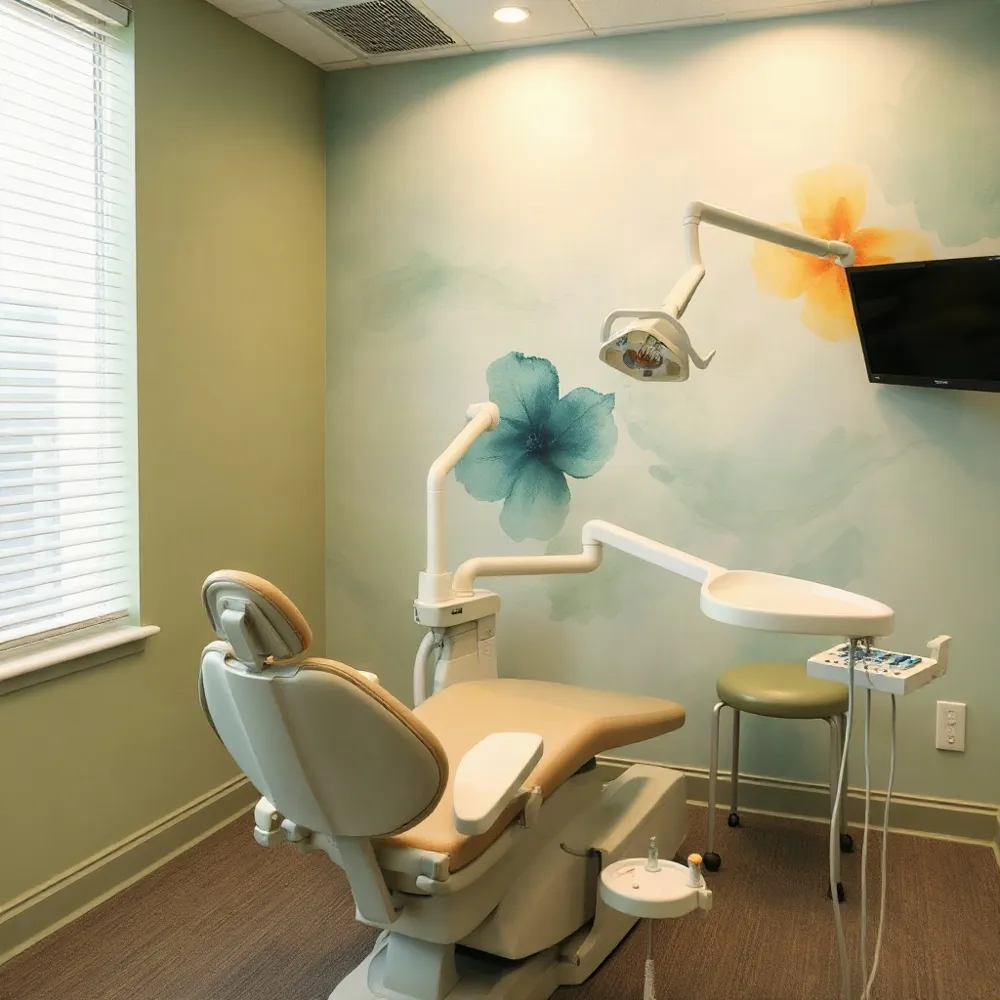
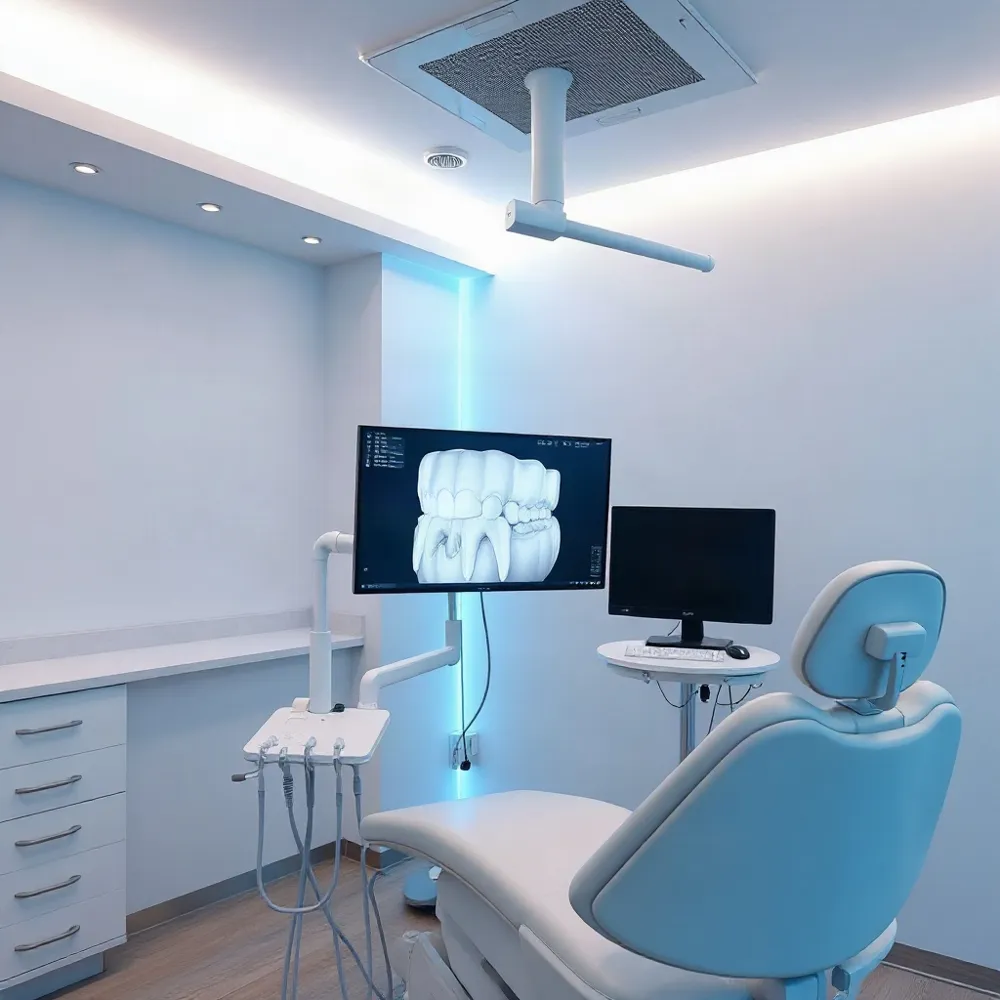
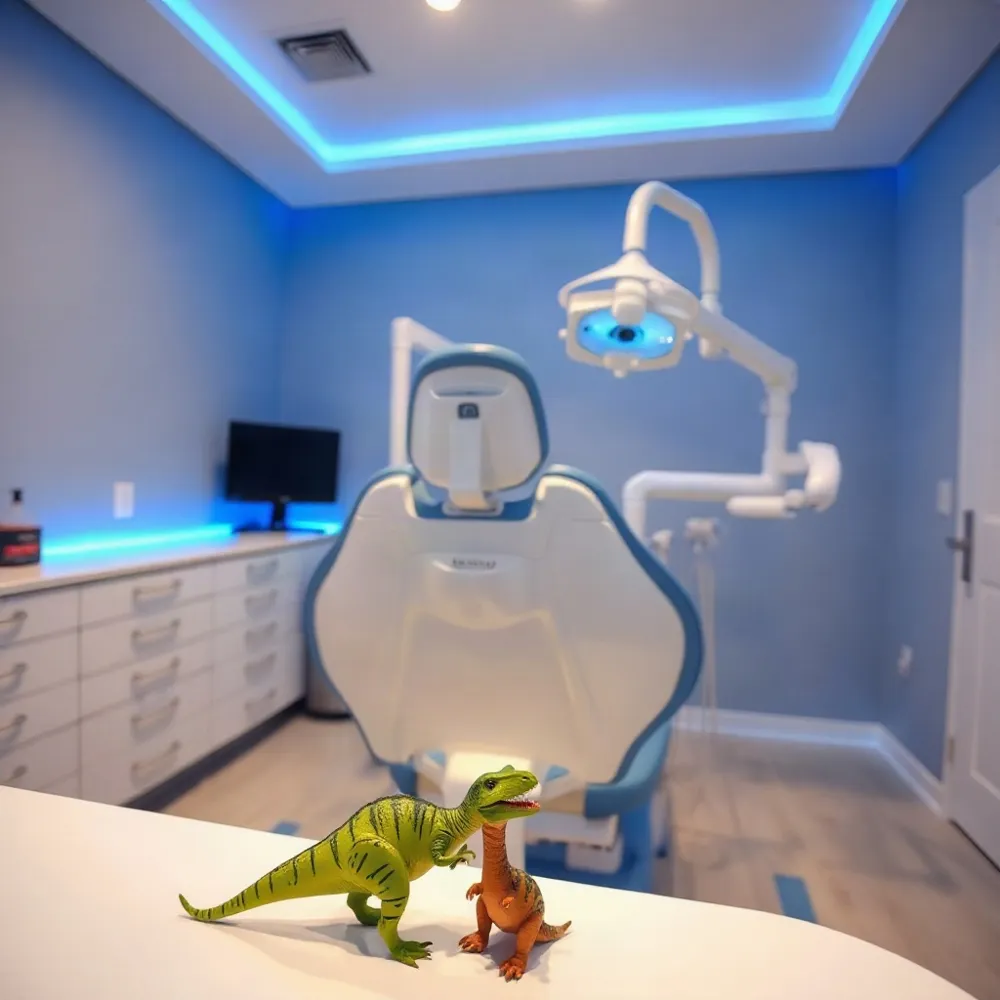
A child's first dental visit shapes how they view oral care for years to come. Early, positive experiences help children feel comfortable with the dentist and reduce the chance of future dental anxiety. At 3D Dental, Dr. Eran Arvilli and the team focus on creating a calm, welcoming environment that puts both children and parents at ease.
Many parents worry about how their child will react, especially if they have their own dental fears. Children often pick up on a caregiver's anxiety, so staying relaxed and using neutral, upbeat language can make a real difference. By scheduling the visit at a time when the child is well-rested and talking about it as a routine part of staying healthy, families can turn what might feel like a challenge into a simple, positive milestone.
When to Schedule That First Visit
 The American Academy of Pediatric Dentistry (AAPD), the American Dental Association, and the American Academy of Pediatrics all agree: a child should see a dentist when their first tooth appears, or no later than their first birthday. The MouthHealthy resource from the ADA explains that this early timing helps prevent cavities and normalizes the dental experience for your child.
Many parents wonder why a visit is needed so soon, before all the baby teeth have even come in. Baby teeth play a vital role in speaking, chewing, and holding space for permanent teeth. According to the Stanford Children's Health fact sheet, cavities can develop as soon as the first tooth erupts. An early visit lets the dentist check for early signs of decay, monitor jaw and bite development, and offer guidance on feeding, teething, and thumb-sucking habits.
The Benefit of a Dental Home
Establishing a dental home by age one means your child receives consistent, preventive care from a team that knows their history. At 3D Dental in Mastic, the goal of the first appointment is to build trust and comfort, not to rush through a checklist. A gentle examination, a quick cleaning if appropriate, and a conversation about home care help your child feel safe while the dentist spots potential issues early.
Children who begin visits early tend to have less anxiety and fewer cavities over time. By choosing a practice with over 25 years of experience and a warm, bilingual team, you give your child a positive start that carries into adulthood. Scheduling the morning appointment when your child is well-rested, as recommended by the AAPD, further improves cooperation and sets the stage for a stress-free experience.
A Gentle, Positive Introduction to the Dentist
Your child's first dental visit is designed to be a short, gentle, and positive experience, not a full treatment session. The main goal is to build comfort and trust between your child and the dental team. This appointment sets the foundation for a lifetime of healthy smiles by making the dental office a familiar, safe place from the very beginning.
In most cases, the visit lasts around 30 to 45 minutes. You will stay with your child the entire time, and for very young children, a parent may even sit in the dental chair with the child on their lap. The dentist will carefully examine your child's teeth, gums, bite, and jaw to check for healthy growth and development. A gentle cleaning to remove plaque and tartar may also be performed. X-rays are not routine for young children and are only taken if needed to diagnose a specific concern.
The visit is also an important chance for parents to get personalized guidance. The dentist can answer questions about teething, pacifier habits, thumb sucking, and proper brushing techniques. You will receive practical advice on daily care, such as cleaning your baby's gums with a damp cloth before teeth appear and using a rice-sized amount of fluoride toothpaste once the first tooth comes in. You can find a more detailed walkthrough of the process in our guide on what happens during your child's first dental appointment.
It is completely normal for a child to cry, wiggle, or feel unsure during this first visit. These reactions are a natural response to new sights, sounds, and sensations, from the bright overhead light to the unfamiliar instruments. The pediatric team expects this and is trained to use gentle, child-friendly techniques to help your child feel safe. At 3D Dental, the team uses a calm, patient approach, moving at your child's pace to ensure they never feel rushed. Parents never need to feel embarrassed — even a visit where a child mostly explores the dental chair is considered a successful first step toward positive, stress-free care for years to come.
Fun Preparation Tips for Parents
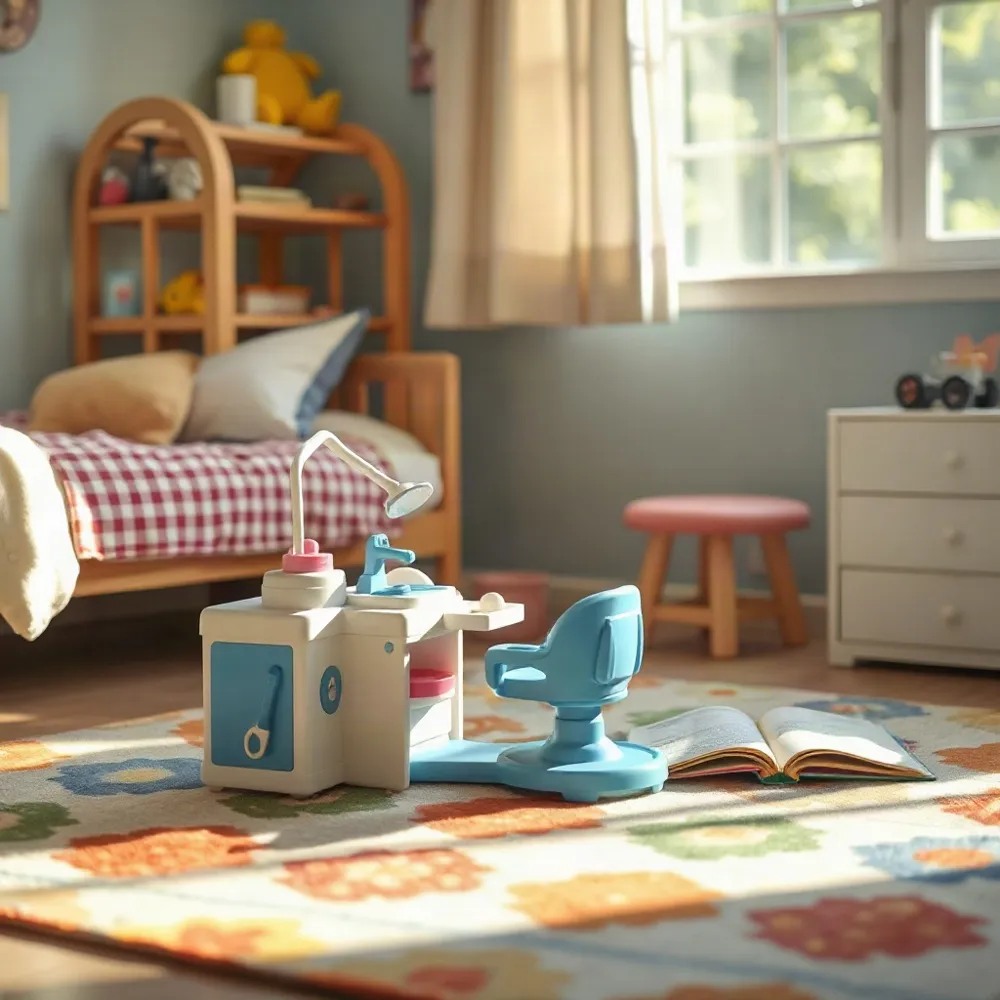 Helping your child look forward to their dental visit starts at home. Reading storybooks like The Berenstain Bears Visit the Dentist or watching shows such as Peppa Pig: Dentist Trip can turn an unknown experience into a familiar adventure. Videos and books about first visits are a gentle way to spark curiosity instead of worry.
Role-playing dentist at home is another easy preparation step. Let your child count your teeth with a soft toothbrush or flashlight, then take turns. This playful game helps them feel in control and comfortable with what the dentist will do.
The words you choose matter. Use positive, child-friendly language like "The dentist will count your teeth and make sure your smile is strong" and avoid terms such as "needle," "drill," or "pain." Children pick up on your cues, so staying calm and upbeat sets the tone for a relaxed experience.
Bringing a favorite stuffed animal or blanket to the appointment offers emotional support. Many offices welcome these comfort items, and holding something familiar can make the exam chair feel a little less foreign. A caring dental team will take things at your child's pace, using gentle guidance and a warm, judgment-free environment to build confidence on every visit.
Understanding Dental Anxiety in Children
Dental anxiety in children is more than just unease about a checkup. It is a significant feeling of worry, helplessness, or even panic that can lead to crying, shivering, or avoidance of the dentist altogether. This fear often develops in childhood, and if left unaddressed, it can lead to a lifetime of avoiding necessary care.
Common Causes and Sensory Triggers
The causes of dental anxiety are varied. A general shyness, the child's level of cognitive development, or specific fears such as a fear of needles or pain can all play a role. The unfamiliar sensory environment of a dental office is often a major trigger. Bright overhead lights, the sound of a handpiece, sharp diagnostic mirrors, and even the taste of certain materials can feel overwhelming. Children process auditory and tactile cues with heightened intensity, so a clinical setting can be unsettling.
Negative past experiences, irregular dental visits, or overhearing a parent's own dental fears can also strongly contribute to a child's anxiety. A key part of addressing this early is choosing a pediatric practice that understands these triggers. At 3D Dental in Mastic, the team uses sensory-friendly protocols such as dimmable lighting, quiet treatment areas, and gentle communication to reduce sensory overload. This helps a child feel safe and in control rather than overwhelmed.
Signs Your Child May Be Anxious
Recognizing the signs of dental anxiety early allows you to intervene with reassurance. Common behavioral signs include crying or tantrums before or during an appointment, refusing to talk about the visit, feeling nervous days in advance, and difficulty sleeping the night before. Physical responses can include an elevated heart rate, defensive body postures, or clinginess.
About 20% of children experience moderate to high dental anxiety, but early preparation and a calm, kid-friendly environment can dramatically reduce this. When parents work with a supportive dental team, children learn that a dental visit is a normal, manageable part of staying healthy. Trained pediatric teams, like the one at 3D Dental, are skilled at reading a child's body language and adjusting their approach to help even the most anxious patients build confidence over time.
How to Choose a Pediatric Dentist
A pediatric dentist completes an additional two to three years of residency focused exclusively on children's dental development, behavior guidance, and special health needs. This specialty training means they are equipped to handle everything from a wiggly toddler's first exam to complex treatments for children with sensory sensitivities.
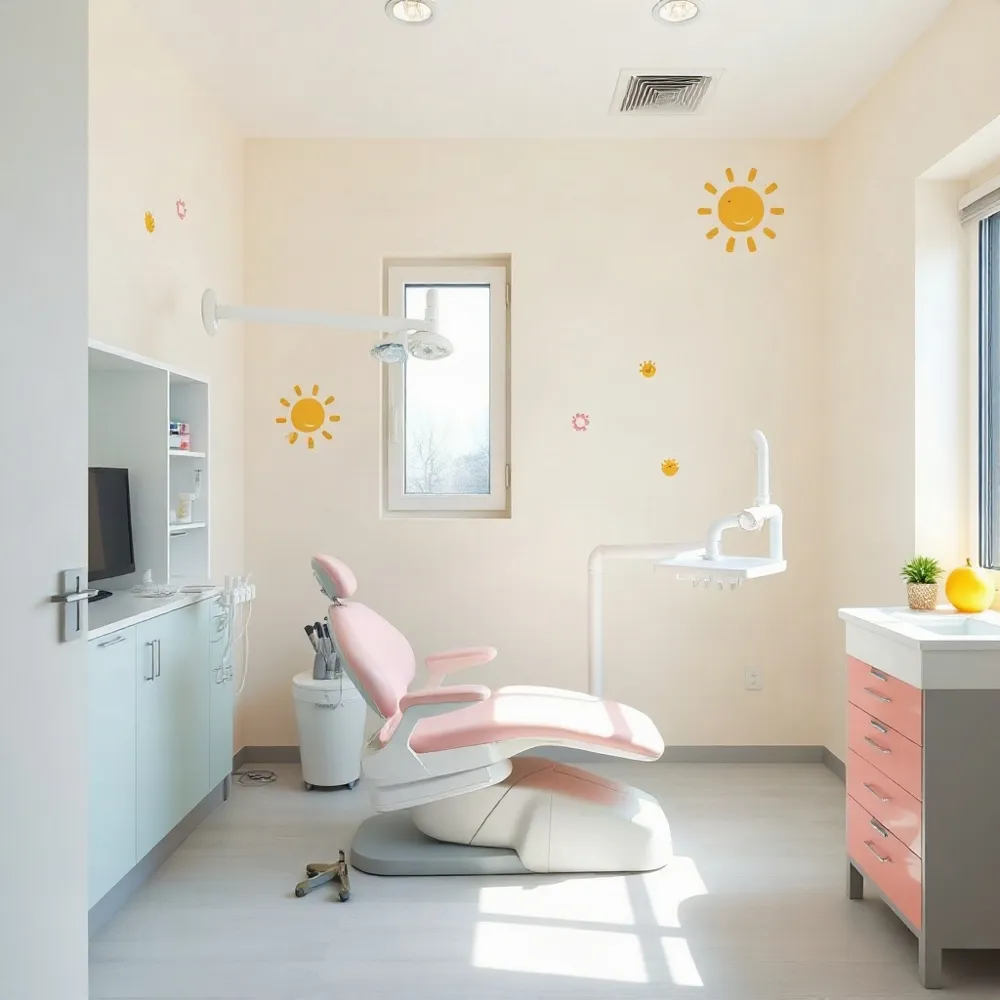
A warm, child-friendly office environment makes a real difference. Look for a practice with colorful decor, kid-sized chairs, and a team that speaks directly to your child at eye level. The best offices use gentle, age-appropriate communication and a calm atmosphere to help even the most hesitant child feel safe. A judgment-free space where children can build trust at their own pace is ideal.
Practical Considerations: Location, Insurance, and Emergency Care
Location matters when scheduling regular checkups every six months. A practice near your home or work in Suffolk County reduces travel stress and makes it easier to keep appointments. Before choosing a dentist, confirm they accept your insurance plan and ask about same-day emergency care, because dental issues can arise unexpectedly.
Look for a practice that offers same-week appointment slots and same-day emergency services, with a bilingual team if that is important for your family. Gentle sedation options and modern 3D imaging for accurate diagnostics can help your child receive comprehensive care without unnecessary discomfort.
Trust Your Instincts
After evaluating training, environment, and logistics, trust how you feel when you meet the dentist and their team. A provider who listens to your concerns, answers questions about teething or thumb-sucking habits without rushing, and makes your child smile is the right fit. The first visit should feel like a partnership focused on your child's lifelong oral health.
Early pediatric dental care reduces the chance of future oral issues by up to 40%, according to the American Academy of Pediatric Dentistry. Choosing a dentist who aligns with your family's needs sets the foundation for a positive, stress-free relationship with dental care.
Simple Guidelines for Lifelong Oral Health
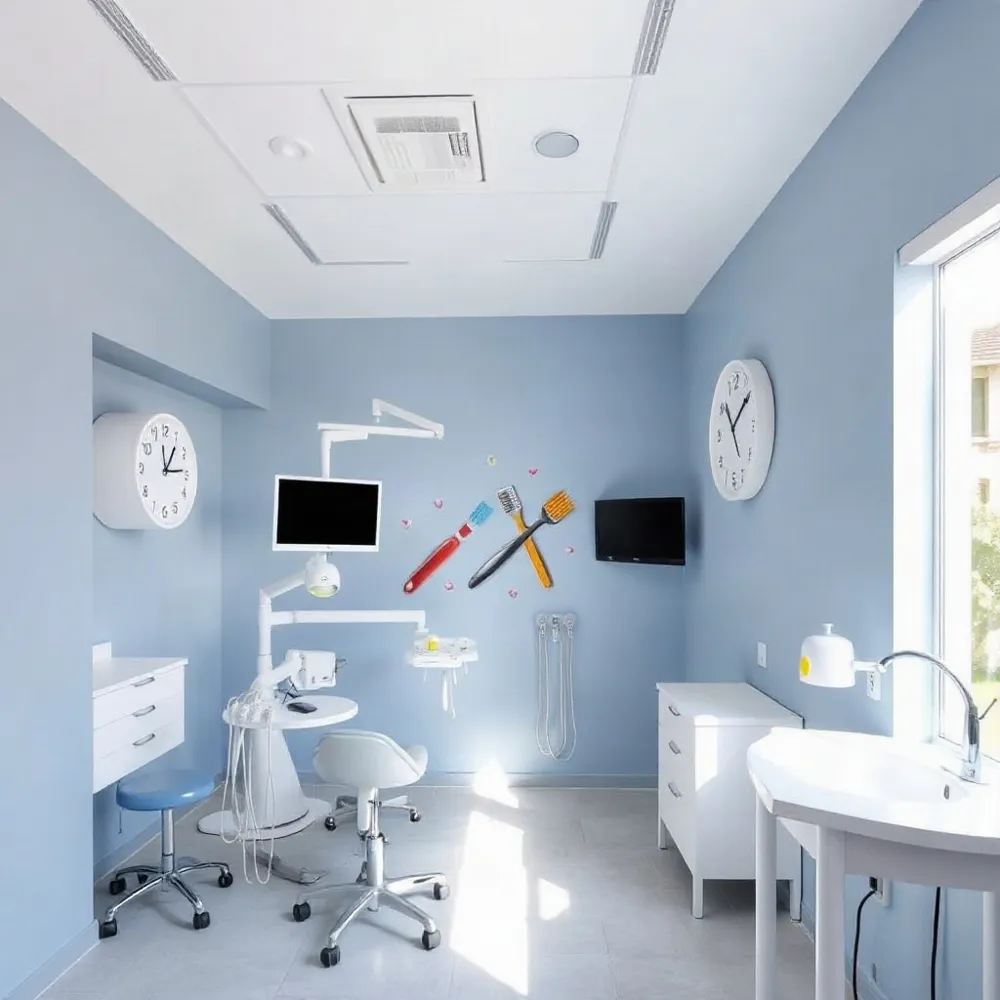 Keeping track of your child's dental routine doesn't have to be complicated. Simple, memorable rules can help the whole family build habits that protect young smiles for years to come. These easy-to-follow guidelines cover daily brushing, professional checkups, and important developmental milestones.
The 2-2-2 Rule: Brush, Duration, and Checkups
The 2-2-2 rule is one of the simplest ways to remember the essentials of oral care. It calls for brushing your teeth two times each day, for at least two minutes each time, and visiting your dentist twice a year for a checkup and professional cleaning. Brushing twice daily with fluoride toothpaste removes plaque that can lead to cavities and gum disease. The two-minute duration ensures each tooth surface gets enough attention. Regular visits allow the dentist to spot early signs of decay and remove stubborn tartar that brushing alone cannot address.
The 3-3-3 Rule: A Consistent Daily Structure
For families looking for a more structured approach, the 3-3-3 rule offers a simple framework. It recommends brushing for about three minutes, ideally three times per day, and following a three-step routine: brush, floss, and rinse with a fluoride mouthwash when appropriate. This method helps limit the time sugars stay in contact with teeth and reduces cavity risk. At 3D Dental, Dr. Arvilli and his team can help tailor this guideline to your child's specific needs during regular visits.
The Rule of 7: Early Orthodontic Screening
The American Association of Orthodontists recommends that children have their first orthodontic evaluation by age 7. At this age, the dentist can spot developing issues like crowding, overbites, or crossbites before they become harder to treat. Early screening does not always mean immediate braces — it simply gives the dental team a chance to monitor growth and plan the right timing for any future treatment.
The Rule of 4: Tracking Tooth Eruption
The rule of 4 is a helpful guide for tracking when your child's teeth should appear. By age 4, most children have a full set of 20 primary (baby) teeth. Knowing the typical eruption pattern helps parents and dentists spot delays or concerns early. During each six-month checkup, the dentist monitors tooth development, guides parents on care, and addresses concerns like teething discomfort or thumb-sucking habits. Regular visits build predictability and comfort for your child, turning the dentist's chair into a familiar, safe place.
| Guideline | Core Recommendation | Why It Matters for Your Child |
|---|---|---|
| 2-2-2 Rule | Brush 2x/day x 2 minutes; 2 checkups/year | Reduces plaque and catches decay early |
| 3-3-3 Rule | Brush 3x/day x 3 minutes; 3-step routine | Limits sugar contact and controls cavity risk |
| Rule of 7 | First orthodontic evaluation by age 7 | Identifies jaw and alignment issues early |
| Rule of 4 | 20 primary teeth expected by age 4 | Monitors eruption and development timeline |
Gentle Sedation and Special Support Options
Some children need extra help to feel calm during a dental visit, and modern pediatric dentistry offers safe, effective options. When parents ask, “Is it safe to put a 4 year old under anesthesia for dental work?”, the answer is yes when a qualified pediatric team manages the process. Many children between ages two and seven require general anesthesia for extensive treatments or when they are too young or anxious to cooperate while awake.
For children with mild to moderate anxiety, diazepam can be a helpful tool. It belongs to a class of medications called benzodiazepines that provide sedation, relaxation, and reduce anxiety before or during treatment. In a dental setting, diazepam is typically given in low doses and works within 15 to 60 minutes to help a child feel calm. It does not relieve pain, so it is often combined with other techniques such as nitrous oxide (laughing gas) for a more comfortable visit.
At 3D Dental, your child's comfort is the top priority. The team, led by Dr. Eran Arvilli, uses gentle sedation and modern monitoring technology to ensure young patients remain comfortable and secure throughout the entire visit. The decision to use sedation is always made with your child's best interest in mind, balancing immediate comfort with long-term oral health. As noted by the American Academy of Pediatric Dentistry, early and positive dental experiences set the stage for a lifetime of healthy smiles.
Whether your child needs a little extra reassurance or more comprehensive support, the team is ready to walk you through every step. They will answer your questions and help you feel confident in the care your child receives.
Start Your Child's Smile Journey Today
A stress-free first visit starts with the right timing, honest conversations at home, and a dental team trained to put children at ease. By scheduling early, using positive language, and allowing your child to build trust gradually, you set the stage for a lifetime of confident checkups.
At 3D Dental in Mastic, we specialize in making first visits gentle and welcoming. Our team uses child-friendly communication, a calm environment, and years of experience to help even the most hesitant child feel safe. We invite you to schedule a relaxed first appointment and see how judgment-free care makes all the difference for your family.