A New Era of Personalized Care
For generations, dental visits followed a familiar rhythm: pain appears, you call the office, and the dentist treats the problem. That reactive model served its purpose, but it left most care happening after damage had already set in. Modern dentistry is shifting toward a predictive approach, one that catches issues earlier and prevents them from becoming complex, costly procedures.
The tools driving this change are already in use. Three-dimensional imaging lets your dentist see the inside of your mouth in ways traditional X-rays could not, while digital scans create a precise map of your teeth and gums. As a review in PMC notes, this evolution in digital dentistry supports earlier diagnosis and more personalized treatment planning. For patients, that means fewer surprises and a clearer path to lasting oral health.
What Predictive Dentistry Looks Like
Early detection. Instead of waiting for a cavity to hurt, advanced imaging spots the earliest signs of decay, gum disease, or enamel erosion. Catching these issues at stage one often means a simple, conservative treatment rather than a root canal or crown later.
Digital planning. A digital treatment plan maps out each step before you sit in the chair. As explained in this guide to digital treatment planning, the approach lets you see your projected outcome in advance, so you understand exactly what will happen and why.
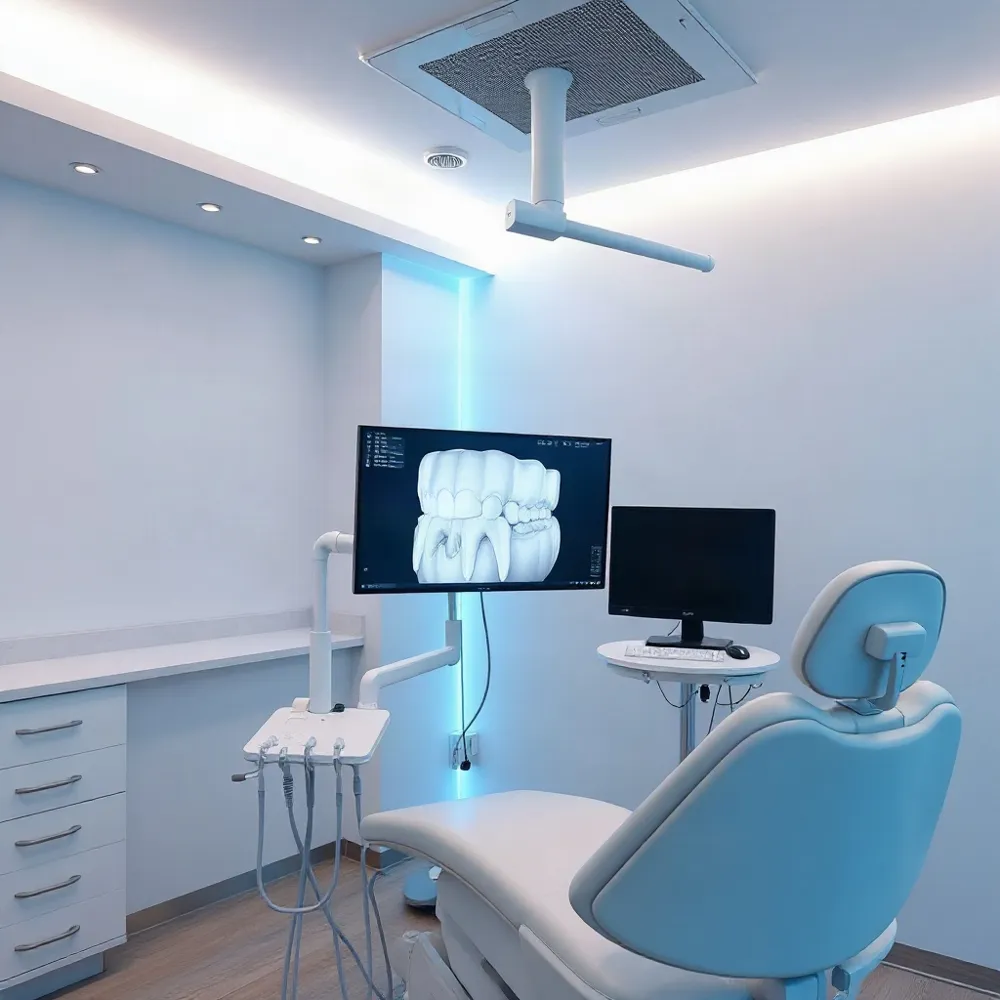
Patient education. When you can see a 3D model of your own teeth, oral health stops being abstract. Visualizing the problem builds trust and makes you an active partner in your care, not just a passive recipient.
This same technology is transforming diagnostics in other fields, from advanced cancer care to the broader movement toward precision medicine. The principle is consistent: clearer pictures lead to better decisions. In your dental office, that translates to treatment plans built on data, not guesswork.
From Diagnosis to a Calmer Experience
Predictive tools also change how a visit feels. When your dentist can explain a problem with a 3D image instead of vague descriptions, anxiety tends to drop. Research on advanced 3D imaging shows that clearer diagnostic information helps patients feel more informed and less fearful about recommended procedures. That peace of mind matters, especially for anyone who has avoided the dentist out of nervousness.
At 3D Dental in Mastic, NY, Dr. Eran Arvilli combines that predictive approach with a gentle, judgment-free environment. Digital 3D imaging and modern diagnostics mean your treatment plan starts with a complete picture, not a guess, and sedation options help ensure comfort along the way. Where traditional practices focus on fixing what is broken, this office focuses on helping you stay healthy for years to come.
What This Means for You
Moving from reaction to prediction is not about adopting technology for its own sake. It is about shifting the goal from treating symptoms to maintaining lifelong health. Fewer emergency visits, less invasive procedures, and a clearer understanding of your own oral health are the practical payoffs. For families and individuals in the Mastic area, that translates into care that feels proactive, transparent, and genuinely personalized.
If you have been putting off a dental visit because of fear or uncertainty, a practice that pairs 3D imaging with a calm bedside manner can make all the difference. Exploring what to look for in a local dental practice may help you recognize the signs of a team that puts your comfort and long-term health first.
From Reaction to Prediction
 For generations, dental care has followed the same rhythm: a problem appears, you schedule an appointment, and the dentist fixes what is already broken. That reactive model works, but it often means treating damage that could have been prevented. A growing number of practices are shifting toward a predictive approach, one that uses data and imaging to identify risk early, before symptoms ever surface.
The shift is possible because of modern diagnostic tools. Three-dimensional imaging, digital scans, and advanced treatment planning software let clinicians see not just the surface of a tooth but the structures beneath it. Cone-beam CT and intraoral scanners produce detailed maps of your teeth, roots, and jawbone. According to research on the evolution of digital dentistry, these technologies have moved from optional extras to essential parts of a modern practice, improving both accuracy and patient experience.
This predictive model changes what a routine visit can accomplish. Instead of simply cleaning your teeth and hoping nothing is brewing, a dentist can spot early signs of decay, gum disease, or bite issues and create a plan to address them while they are still easy to manage. The result is less invasive treatment, fewer emergency visits, and a calmer experience overall.
From 3D Imaging to a Clearer Picture
At the center of this approach is 3D imaging. Unlike traditional X-rays, which provide a flat, two-dimensional view, 3D scans offer a full picture of your oral anatomy. This allows for more precise diagnosis and treatment planning. As one practice explains, 3D scans are necessary because they reveal issues that flat images miss, from hidden cavities to the exact position of nerves and sinuses before implant placement.
For patients, the benefit is tangible: a treatment plan built on clear evidence, not guesswork. When you can see a digital model of your own teeth and understand what the dentist sees, the decision-making process becomes collaborative rather than intimidating.
What This Means for You
If you have been putting off a dental visit because you are nervous or unsure what to expect, a predictive, imaging-based practice can feel different. The focus is on understanding your oral health before problems start, which means less drilling, less discomfort, and more peace of mind. It also means same-day or next-day care for issues that do arise, because the diagnostic groundwork is already done.
At 3D Dental, this is how we work. We pair gentle, judgment-free care with modern 3D diagnostics, so your treatment plan is based on a complete picture of your mouth. Whether you are here for a routine cleaning or a complex smile makeover, our goal is the same: keep your smile healthy with as little stress as possible.
| Traditional Approach | Predictive Approach | Patient Benefit |
|---|---|---|
| React to symptoms | Identify early risk | Less invasive care |
| Flat 2D X-rays | Detailed 3D imaging | More accurate diagnosis |
| One-size-fits-all plan | Personalized treatment plan | Better outcomes, less guesswork |
AI and Predictive Analytics in Your Care
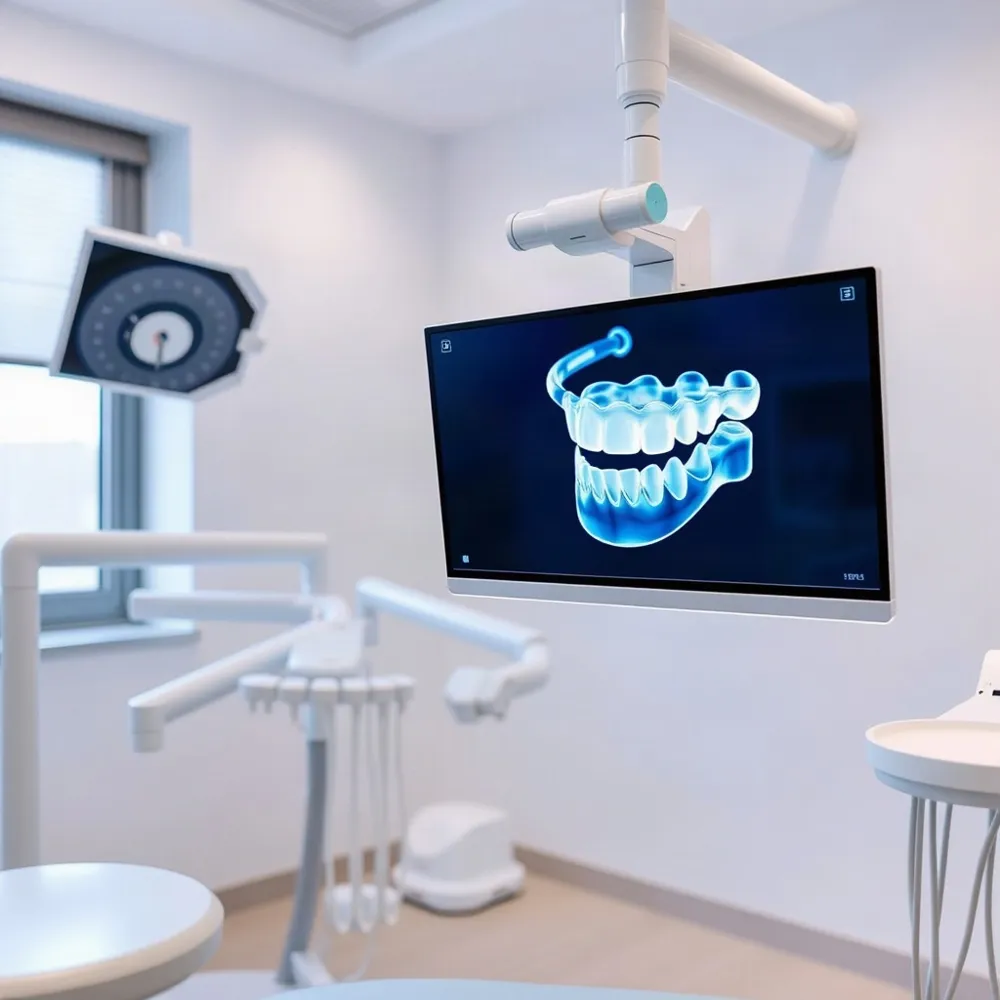 Artificial intelligence is quietly reshaping the way dentists detect and treat problems. Instead of relying only on the human eye during an exam, modern practices now use AI-powered imaging that can spot cavities, bone loss, and other issues far earlier than traditional methods. A 2024 review in the journal Diagnostics highlights how AI is improving diagnostic accuracy in dentistry, allowing dentists to catch conditions that might otherwise go unnoticed until they cause symptoms 3. For patients, this means problems are addressed when they’re smaller, less invasive, and often less expensive to treat.
This shift matters for anyone who’s ever been told “we’ll just watch it” at a dental checkup. In the past, that phrase often meant an issue was too small to act on, and patients would return months later to hear the same thing, or worse, the problem would have grown. AI changes that dynamic. Algorithms trained on thousands of dental images can point to the exact pixel where decay is forming, giving your dentist a clearer, more confident path forward. It's not about replacing the dentist’s judgment; it’s about giving that judgment better information.
Catching Problems Earlier Than Ever
One of the most practical benefits of AI in dentistry is the ability to see what’s happening beneath the surface. Traditional X-rays have limitations, but 3D imaging and AI-enhanced diagnostics provide a far more complete picture. According to a review on the evolution of digital dentistry, these tools are making diagnosis faster and more accurate, reducing the guesswork that has long been part of dental care 4. For a practice like 3D Dental in Mastic, that translates into treatment plans built on real data, not just what’s visible during a quick visual exam. It’s the difference between a dentist guessing at the extent of an infection and seeing its full reach in three dimensions.
When you sit in the chair, you want to hear about what’s going on in your mouth, not feel like you’re getting a sales pitch. AI tools help your dental team show you exactly what they see. That’s a huge step forward for patient trust. Instead of taking the dentist’s word for it, you can view the same 3D images and understand why a particular treatment is recommended. This transparency is a core part of the experience at offices that have adopted these systems, and it’s a big reason patients feel more at ease and more in control of their own care.
The Role of 3D Imaging
At the heart of this technological leap is 3D imaging. Unlike traditional 2D X-rays, 3D scans give the dentist a complete, lifelike view of your teeth, roots, and jawbone. This is especially valuable for planning complex procedures like dental implants or root canals, where precision matters most. Resources like the guide on 3D dental scans explain just how much more information these images provide compared to traditional methods 5. For you, that means fewer surprises, less time in the chair, and a better overall experience.
The 3D Dental team uses these tools every day with Dr. Eran Arvilli’s guidance, ensuring that every treatment plan starts with a clear, accurate diagnosis. Whether you’re coming in for a routine cleaning or a full-mouth reconstruction, the approach is the same: see clearly, plan carefully, and treat gently. That’s the difference between good dentistry and great dentistry, and it’s what patients in the Mastic and Suffolk County area are beginning to appreciate.
What This Means for Patients
For most people, the idea of needing a root canal or a dental implant is intimidating. But when your dentist can show you a 3D image and walk you through exactly what’s happening, the fear starts to fade. You’re no longer a passive patient in the dark; you’re an informed partner in your own health. This is a far cry from the days when dentistry felt like a series of painful, mysterious procedures. Modern care is precise, transparent, and more comfortable than ever, and finding a dentist who uses these tools can make all the difference in how you feel about your oral health.
Your Genes, Your Treatment Plan
Genetic testing has moved far beyond ancestry reports and rare disease screens. Today it shapes how doctors choose medications, how oncologists target tumors, and how dentists plan preventive care. The field of pharmacogenomics, for instance, studies how your DNA influences your response to drugs, helping clinicians select safer, more effective prescriptions. A growing body of research in personalized medicine shows that tailoring treatment to a patient's genetic profile can reduce adverse reactions and improve outcomes.
In dentistry, this same principle is starting to appear. Genetic markers can hint at a patient's susceptibility to gum disease, tooth decay, or even how well they metabolize certain anesthetics. While routine dental visits still rely on clinical exams and imaging, adding genetic insight allows for earlier, more precise interventions. Practices like 3D Dental in Mastic, NY, combine modern diagnostics with a thorough understanding of each patient's history, making preventive care feel less like guesswork and more like a plan built around you.
What Personalized Medicine Actually Looks Like Today
Personalized care shows up in several practical ways. In cancer care, next-generation diagnostic tests can identify specific mutations in a tumor, guiding targeted therapies that spare healthy tissue. According to a recent review of advances in diagnostic methods, such approaches are transforming how diseases are detected and managed. In everyday medicine, pharmacogenomic testing can tell a doctor whether a standard dose of a blood thinner or antidepressant is likely to work for you, or whether you carry a variant that makes side effects more likely.
Predictive. Using genetic and lifestyle data to estimate your future risk for conditions like diabetes, heart disease, or periodontal disease, so you can act before symptoms appear.
Preventive. Designing screenings, dental cleanings, and checkup intervals around your personal risk profile, rather than a one-size-fits-all schedule.
Precision. Matching treatments, including medication choices and dental materials, to your unique biology for better results and fewer complications.
The dental field is catching up. Digital 3D imaging and virtual treatment planning now let providers map a patient's anatomy with remarkable accuracy before placing implants or planning orthodontic work. Combined with genetic insight, these tools make it possible to predict how tissue might heal or where a patient is most vulnerable to decay. As explained in a discussion of digital treatment planning, the shift is from reactive repair to proactive, customized care.
Small Steps Toward a Smarter Health Plan
You don't need a full genome sequence to benefit from personalized care. Simple actions like updating your family medical history, discussing medication side effects, and asking about advanced imaging options already move you in that direction. For dental care, that might mean asking whether a 3D scan is appropriate for a planned crown or implant, or whether your gum health suggests a shorter recall interval.
At 3D Dental, the team pairs gentle, judgment-free care with modern 3D diagnostics to build treatment plans tailored to each patient's needs and comfort level. Whether you're a family looking for routine cleanings or someone exploring restorative options, the goal is the same: a clear picture of where your oral health stands and a practical roadmap to keep it there. Personalized medicine, in any specialty, starts with listening and looking closely, then applying the right tool at the right time.
Imaging That Sees More
Understanding the full cost of a single dental implant requires looking beyond the initial procedure. The final price is influenced by several interconnected factors, from the technology used for planning to the expertise of the clinical team. Being informed about these elements helps you make a confident decision, knowing exactly where your investment goes.
The condition of your jawbone is often the first major variable. If you've experienced bone loss, a bone graft may be necessary to provide a stable foundation for the implant. This additional procedure adds to the total cost. Similarly, a sinus lift might be needed for upper jaw implants. Every treatment plan is unique, which is why a thorough evaluation is essential before any price can be determined.
Technology also plays a significant role in both the experience and the final price. Advanced diagnostics like 3D imaging and digital scanning allow for precise placement planning and a more comfortable procedure. As noted in our blog on modern dental technology, these tools reduce guesswork and often lead to better outcomes. While they may influence the cost, they also contribute to the accuracy and longevity of your implant.
The Impact of Dentist Expertise and Location
The experience and skill of the dentist performing your implant placement are crucial. An implant placed by a specialist with advanced training in surgical and restorative procedures typically commands a higher fee. This expertise directly correlates with higher success rates and fewer complications. In the Mastic, NY area, location also affects pricing, as overhead and regional market rates differ. 3D Dental, led by Dr. Eran Arvilli with over 25 years of experience, combines this high level of skill with advanced technology, ensuring you receive expert care without the guesswork.
Materials, Components, and the Restorative Crown
The materials used for the implant post and the crown itself are another core cost driver. The implant post is typically made of titanium or zirconia, both of which are biocompatible and durable. The crown, which is the visible part that looks and functions like a natural tooth, can be crafted from different materials. The most common options include porcelain or zirconia, each with its own aesthetic and durability profile. Your dentist will help you choose the best material for your needs, which directly impacts the cost.
It's also important to consider the complete sequence of care. The cost you're quoted should include all the steps: the initial consultation, 3D imaging, the implant surgery, the abutment (the connector piece), and the final crown. The total number of appointments and the complexity of your case, such as whether you’re getting a temporary tooth replacement during the healing phase, can also influence the final estimate. Make sure to ask for a detailed breakdown so you understand exactly what is covered in the price.
What to Consider When Choosing a Provider
When comparing costs, it's easy to focus on the bottom line, but the cheapest option isn't always the best value. A practice that uses advanced 3D diagnostics for precise planning is investing in your long-term success. Gentle, experienced care can make the process more comfortable and reduce the risk of complications, which is especially important for patients who feel anxious about dental procedures. 3D Dental focuses on a calm, judgment-free environment, which can make a significant difference in your overall experience.
Transparency is key. The best providers, like 3D Dental, will offer a clear breakdown of all costs involved. They will also help you understand how your insurance benefits apply, making the investment easier to manage. Don't be afraid to ask about payment options or financing plans. A practice that is upfront about pricing and works with you to find a solution is one that prioritizes your trust and care.
A Final Breakdown of the Key Cost Factors
| Cost Factor | What It Involves | Impact on Price |
|---|---|---|
| Implant Post | Titanium or zirconia screw that fuses with the jawbone | Lower to Moderate |
| Abutment | Connector piece that supports the crown | Moderate |
| Crown | Visible restoration, material options vary | Moderate to High |
| Bone Grafting / Sinus Lift | Additional procedures to build a solid base | High |
| 3D Imaging & Diagnostics | Digital scans for precise planning | Moderate |
| Dentist's Expertise | Surgeon's training and success rate | High |
| Location | Regional cost of living and practice overhead | Variable |
Planning That Fits You Perfectly
The shift from reactive to predictive care starts with how your dentist plans treatment. Rather than waiting for a problem to become visible or painful, modern practices now use digital tools to anticipate issues early and map out precise, personalized care. For residents of Mastic, NY, this means fewer surprises, more comfortable visits, and outcomes you can trust.
At the heart of this approach is 3D Dental, a full‑service practice in Mastic led by Dr. Eran Arvilli. The office pairs a warm, judgment‑free environment with advanced diagnostics, allowing the team to build a clear picture of your oral health before any treatment begins. As a comprehensive review of digital dentistry notes, these technologies are reshaping how dentists diagnose and plan care, moving from guesswork toward precision.
How 3D Imaging Changes the Plan
Traditional X‑rays give a flat, limited view. 3D imaging, in contrast, captures detailed, three‑dimensional models of your teeth, roots, and jaw structure. This lets the dentist see exactly what is happening beneath the surface, from hidden decay to the precise position of nerves and sinuses. As 3D dental scans become more common, patients benefit from more accurate diagnoses and more predictable treatment plans.
For complex procedures like implants or root canals, this detail is invaluable. Digital treatment planning tools allow the dentist to simulate the entire procedure before starting, reducing surprises in the chair. At 3D Dental, this means you understand your treatment options clearly, with a plan tailored to your specific anatomy and goals, not a one‑size‑fits‑all approach.
Many general practices still rely on traditional 2D imaging and manual planning. 3D Dental, by contrast, invests in modern 3D diagnostics and same‑week appointment slots, so you get a precise, proactive evaluation without long waits. Whether you need a routine cleaning or a full smile makeover, the same technology supports every step.
Early Detection, Better Outcomes
Predictive care is about catching issues before they become painful or expensive. With detailed imaging, the dentist can spot early signs of decay, gum disease, or impacted teeth and address them promptly. Research on diagnostic advances highlights how imaging technologies improve early detection and treatment precision, leading to better long‑term health.
This proactive approach also supports patient comfort. When problems are caught early, treatment is often simpler, less invasive, and requires fewer visits. For families and individuals in Suffolk County, that translates to less stress and more time enjoying a healthy smile.
Technology That Fits Your Life
Choosing a practice that combines advanced tools with genuine care makes a difference. Modern dental technology is only meaningful when it is used to improve your experience. At 3D Dental, the bilingual team, gentle sedation options, and 3D imaging‑based treatment planning work together to create a calm, clear, and personalized visit from start to finish.
The office’s focus on accessibility means more patients can benefit from this forward‑thinking care. With broad insurance acceptance and same‑day emergency slots, 3D Dental makes it easier for Mastic families to prioritize prevention without added hassle.
Personalized Therapy for Better Outcomes
Modern dental care has moved beyond the days of guesswork and one-size-fits-all treatment plans. With the arrival of 3D imaging and digital diagnostics, your dentist can now see your teeth, jaw, and nerves with remarkable accuracy before any procedure begins. This shift matters because it changes the entire experience: less discomfort, fewer surprises, and a plan built around your specific anatomy.
At 3D Dental, Dr. Eran Arvilli blends this modern technology with warm, patient-focused care. Instead of relying solely on traditional X-rays or visual exams, the practice uses advanced digital capture to map your mouth in three dimensions. This allows for faster diagnosis, more precise planning, and a gentler approach overall. You benefit from the clarity that comes with seeing what's happening before treatment, which helps ease the anxiety many people feel about visiting the dentist.
The practical advantages go beyond the exam chair. Digital treatment planning enables your dentist to simulate the outcome of a procedure before committing to it, whether that's a crown, an implant, or a smile makeover. Research supports this evolution: as dental technology advances, diagnostics become more accurate and treatment becomes more individualized. This is not just about flashy tools; it's about building a plan that respects your comfort, your budget, and your long-term oral health.
What This Means for Your Visit
When you choose a practice that invests in digital diagnostics, you're choosing a different kind of appointment. Instead of lengthy, uncomfortable exams full of uncertainty, you get a clear picture quickly. The team at 3D Dental uses this information to walk you through your options in plain language, so you always know what to expect and why it matters. That transparency, combined with gentle sedation options and a calming environment, makes each visit feel less clinical and more collaborative.
For families and adults in the Mastic, NY area, this means care that adapts to you. Whether you're bringing in a child for their first checkup or addressing a complex restorative need, having a practice that uses modern tools and a personal touch can make all the difference. The goal isn't just to fix a problem; it's to help you feel confident about your smile and comfortable with every step along the way.
Bringing It All Together Holistically
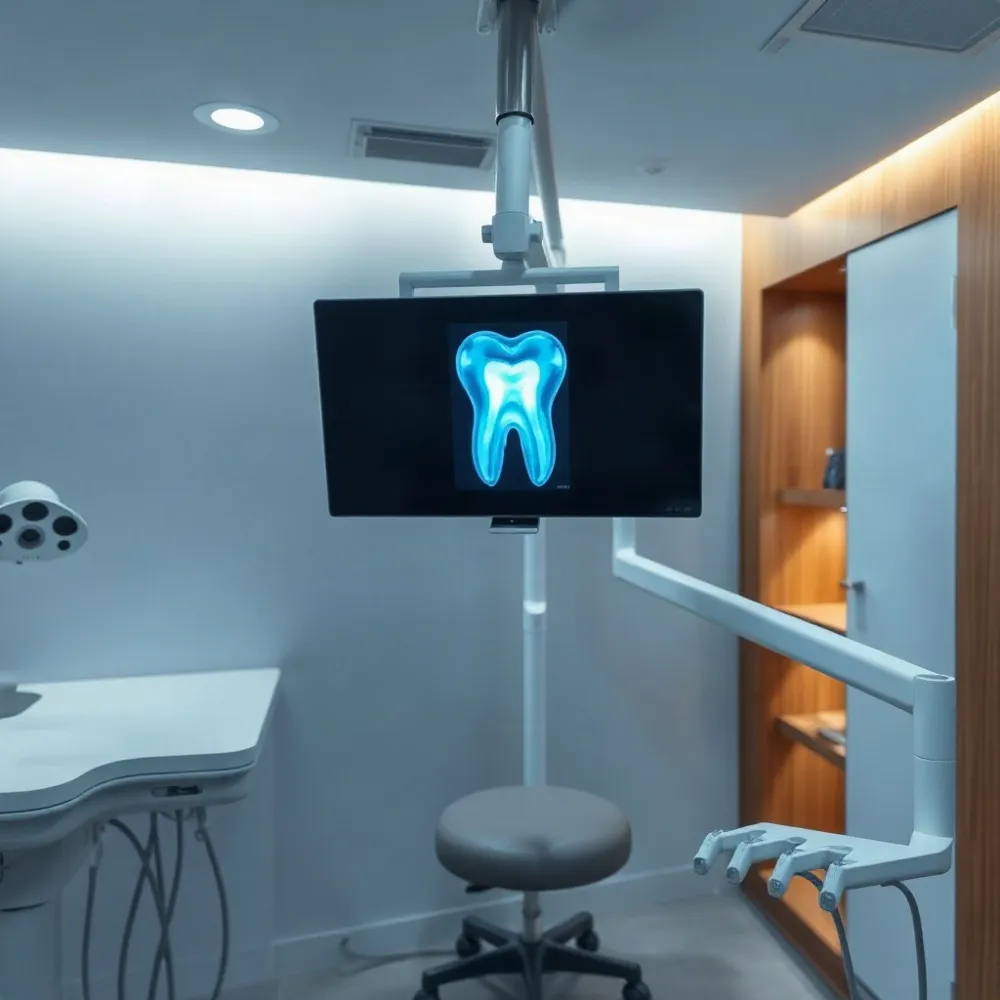 Dental anxiety is one of the most common reasons people delay care, yet it rarely comes down to the procedure itself. Most often, it is the anticipation, the sounds, and the feeling of being out of control that trigger discomfort. Managing dental anxiety with safe, gentle sedation options addresses these concerns directly, creating a calm, relaxed state so that even complex treatments feel manageable. At 3D Dental, sedation is never about being unconscious or overwhelmed; it is about staying comfortable and aware while the work gets done.
How Sedation Works at 3D Dental
Every sedation plan at 3D Dental begins with a thorough conversation about your medical history and your level of anxiety. The goal is to match the right level of calm to your needs, whether that means minimal relaxation for a routine filling or deeper sedation for oral surgery or implant placement. Dr. Eran Arvilli and his team monitor your vital signs throughout the appointment, so you remain safe and comfortable from start to finish.
Nitrous oxide. Often called laughing gas, this is the mildest option. It helps you feel relaxed and at ease within minutes, and the effects wear off quickly after the appointment, which makes it a great choice for routine cleanings or simple fillings.
Oral sedation. For moderate anxiety, a prescription pill taken before your visit helps you feel drowsy and unconcerned while remaining awake. Many patients have little memory of the procedure afterward.
IV sedation. For extensive treatments such as full smile makeovers or surgical extractions, IV sedation delivers medication directly into the bloodstream for a deeper, more consistent level of relaxation. You remain responsive but deeply calm throughout.
Because 3D Dental combines sedation with modern 3D imaging and diagnostics, your treatment plan is built on a clear, precise picture before any work begins. This means fewer surprises, shorter appointments, and a smoother recovery. For patients who have avoided the dentist for years, this approach turns a stressful event into a straightforward, comfortable visit.
| Sedation type | Best for | What you feel |
|---|---|---|
| Nitrous oxide | Routine cleanings, mild anxiety | Calm and relaxed; full awareness |
| Oral sedation | Moderate anxiety, longer procedures | Drowsy and unconcerned; minimal memory |
| IV sedation | Complex treatments, dental phobia | Deeply relaxed; responsive but at ease |
A Future of Calm, Informed Care
Modern dental technology does more than produce sharper pictures. It changes how diagnoses are made, how procedures are planned, and how comfortable you feel in the chair. When a practice invests in digital imaging and 3D diagnostics, it replaces guesswork with a clear, measurable picture of your oral health. That clarity matters whether you are coming in for a routine cleaning or a complex restoration.
Digital 3D imaging has become a standard tool in diagnosis and treatment planning. It allows the dentist to view your teeth, roots, and jaw structure from angles that traditional two-dimensional x-rays simply cannot provide. This means problems like impacted teeth, hidden decay, or bone loss can be spotted earlier and addressed with a more precise plan. As a review in the National Institutes of Health notes, the evolution of digital dentistry has shifted from simple radiographs to fully digital workflows that improve both accuracy and patient communication.
How Digital 3D Imaging Works
A 3D scan captures hundreds of detailed images in seconds, then software combines them into a single, interactive model you can rotate and zoom into. Unlike traditional impressions, which can feel uncomfortable and trigger a gag reflex, a digital scan is quick and gentle. This is especially reassuring for patients with dental anxiety. At 3D Dental, we combine this technology with a warm, calm approach, so you understand your treatment plan without feeling rushed or overwhelmed.
The benefits extend beyond diagnosis. For procedures like implants, crowns, or root canals, a 3D model allows the dentist to plan the exact placement and fit before any work begins. This reduces surprises during the procedure and often means fewer visits. As one guide to 3D dental scans explains, the level of detail helps the dentist communicate your options clearly, so you can make an informed choice about your care.
What This Means for Your Family
For families in Suffolk County, the practical result is simpler. Your dentist can show you exactly what is happening in your child's mouth or your own, using images you can actually see and understand. This reduces the mystery that often fuels dental fear. It also allows for earlier intervention, which generally means less invasive treatment and lower long-term costs. At 3D Dental, we use these tools as part of a judgment-free, bilingual experience, so every visit feels informative rather than intimidating.
| Tool | What It Does | Patient Benefit |
|---|---|---|
| 3D Cone Beam Imaging | Captures detailed 3D views of teeth and jaw | Earlier detection of hidden issues |
| Digital Impressions | Replaces messy trays with a quick scan | More comfortable, no gagging |
| Treatment Planning Software | Maps out procedures before they start | Fewer visits and fewer surprises |