How Should I Floss After Braces?
Keep cleaning between your teeth at least once a day after braces come off. A toothbrush cannot fully reach these spaces, where plaque, a sticky film of bacteria, can collect. The American Dental Association’s flossing guidance recommends daily cleaning between teeth.
If you have a fixed retainer bonded behind your teeth, floss around the wire as part of your routine. A floss threader or small interdental brush may help reach the area; follow your orthodontist’s instructions for retainer wear and care. The American Association of Orthodontists’ retainer-care advice also recommends brushing and flossing around fixed retainers.
The right tool and technique can vary. Dr. Eran Arvilli, DDS, who has cared for Mastic families for more than 25 years, can help you choose a routine during a checkup and cleaning at the Montauk Highway office. Book a visit with Dr. Arvilli at 3D Dental in Mastic, call (631) 772-7379, or ask the bilingual team for help. Se habla español.
Why Does Flossing Still Matter?
Plaque is a sticky film that forms on teeth. When it stays between teeth, it can contribute to tooth decay and gum disease, especially in spots a toothbrush may not clean well.
The American Dental Association recommends cleaning between teeth once a day. Brushing twice daily matters too, but a toothbrush cannot fully reach the spaces between teeth.
Floss is one option among interdental cleaners, tools made to clean between teeth. The ADA says the order of flossing and brushing is up to you; careful, regular cleaning matters more than which comes first.
Does the ADA still recommend flossing?
Yes. The recommendation is to clean between teeth at least once a day with floss or another interdental cleaner. Choose a tool you can use comfortably and thoroughly, and ask your dentist which option suits your teeth.
Home care works alongside checkups and cleanings, where a dentist can assess your gums and spot areas that need extra attention. At 3D Dental’s Montauk Highway office in Mastic, Dr. Eran Arvilli, a DDS from Stony Brook School of Dental Medicine, provides family dental care and has served the community for more than 25 years.
What Tools Can Clean Between Teeth?
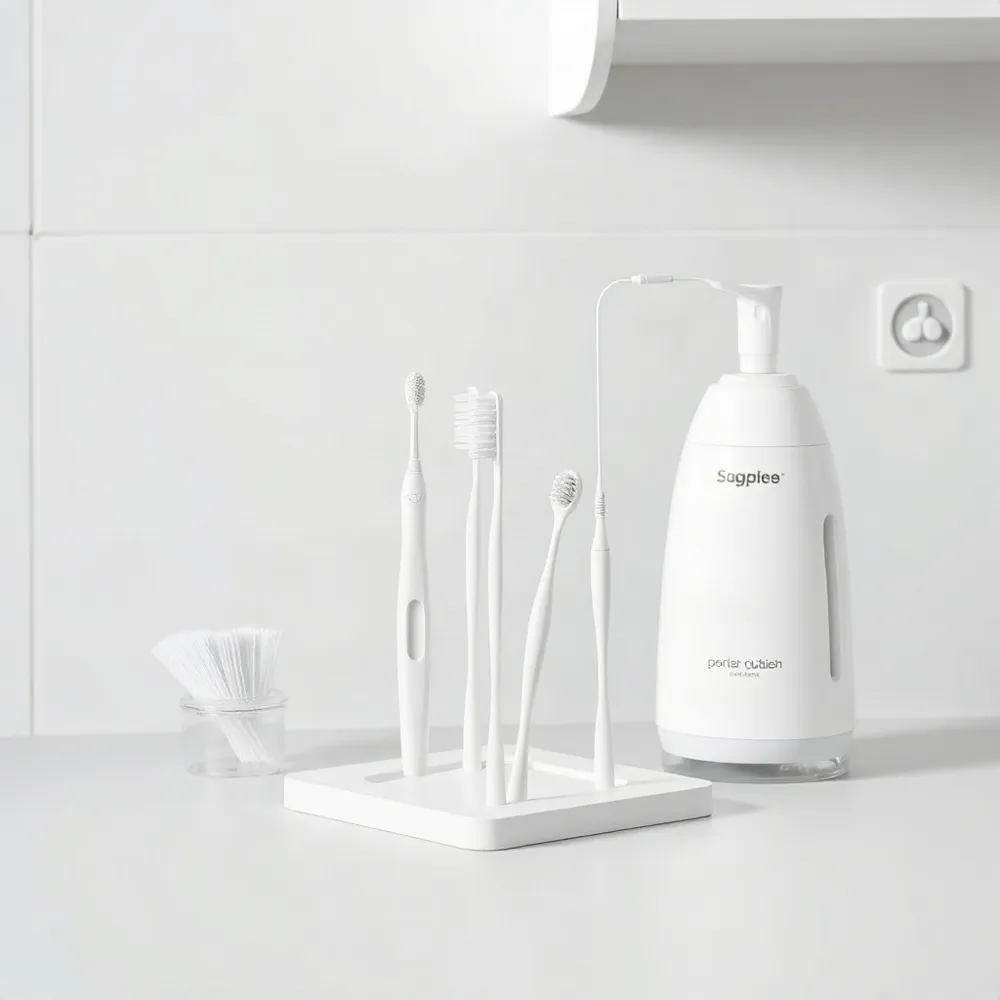 Traditional floss is a simple option for cleaning between teeth. If you have a fixed retainer, a floss threader can guide the floss beneath its wire. Move the floss gently against each tooth rather than snapping it into your gums.
Other options include interdental brushes, soft dental picks, and water flossers. A water flosser may help reach spots that are hard to access, but it is not a guaranteed replacement for other cleaning or care. The American Dental Association’s guide to cleaning between teeth describes several tools and recommends choosing one that suits your needs.
Dr. Eran Arvilli recommends choosing a tool that fits your routine and having it checked during a dental visit.
What can I do instead of flossing?
If string floss is difficult to use, an interdental brush, soft dental pick, or water flosser may feel easier to manage. The right choice depends on tooth spacing, gum health, dental work, and personal comfort. Mouthwash can freshen your mouth, but it does not clean between teeth.
A dentist can suggest a suitable tool and show you how to use it.
At 3D Dental’s Montauk Highway office in Mastic, Dr. Eran Arvilli, a DDS from Stony Brook School of Dental Medicine with over 25 years of experience caring for Mastic families, provides checkups and cleanings for patients, including families from Shirley and Mastic Beach.
Our bilingual team can assist you in English or Spanish, and we offer a membership plan for patients without insurance.
A dental visit can also help identify areas your home routine may be missing.
Frequently Asked Questions
Is floss the only tool for cleaning between teeth?
No. Interdental brushes, soft dental picks, and water flossers are also effective. Choose the one that feels comfortable and fits your needs.
Can a water flosser replace string floss?
Water flossers can help reach tight spots, but they may not remove all plaque. Many dentists recommend using them along with brushing and regular checkups.
How often should I clean between my teeth?
The American Dental Association recommends cleaning between teeth once a day. Dr. Arvilli can give you personalized advice during a checkup.
What if I have braces or a fixed retainer?
A floss threader can help guide floss under the wire. Interdental brushes may also work. Ask your dentist for the best method.
Does mouthwash clean between teeth?
Mouthwash freshens breath but does not remove plaque from between teeth. It should be used alongside brushing and interdental cleaning.
Can cleaning between teeth prevent gum disease?
Yes. Removing plaque from between teeth helps prevent gum disease. Learn more about gum disease treatment at 3D Dental.
Book a visit with Dr. Arvilli at 3D Dental in Mastic: Contact us or call (631) 772-7379. Se habla español.
How Can I Protect My Gums?
 Gentle daily cleaning between your teeth helps remove plaque, a sticky film of bacteria, and lower the risk of gum disease, an infection of the gums that can cause swelling and bleeding. Gum recession, when the gum tissue pulls away from the teeth, cannot always be prevented, so use light pressure and ask a dentist about changes you notice.
Does flossing help prevent gum recession?
Flossing can help protect gum health, but it does not prevent every cause of recession. Brushing too hard and other factors may also affect the gums. The [American Dental Association’s flossing guidance](https://www.mouthhealthy.org/all-topics-a/flossing) advises guiding floss gently between teeth rather than snapping it into the gums.
Curve the floss against each tooth and move it gently along the side. Avoid forcing it or scrubbing your gums with a hard brush. Cleaning between teeth should not hurt; if flossing causes ongoing pain, speak with a dentist.
Gum recession or other concerns deserve a professional assessment, since flossing alone cannot identify or reverse the cause. After an evaluation, gum disease treatment may be an option to discuss if it is appropriate for your needs.
Dr. Eran Arvilli, DDS, from Stony Brook School of Dental Medicine, has spent over 25 years caring for Mastic families. At the Montauk Highway office in Mastic, he and his bilingual team can assess gum concerns for patients from nearby Shirley and explain suitable next steps in a calm, judgment-free setting.
What are common questions about gum protection?
-
What causes gum recession? Gum recession can be caused by brushing too hard, gum disease, grinding teeth, or natural aging. A dentist can identify the cause during an exam.
-
Can gum recession be reversed? In some cases, treatments like scaling and root planing or soft tissue grafting can help. Your dentist will recommend the best option for your situation.
-
How often should I visit the dentist for gum health? The American Dental Association recommends checkups and cleanings every six months. Your dentist may suggest more frequent visits if you have gum concerns.
-
What treatments are available for gum disease? Treatments include scaling and root planing, gum disease treatment, and in some cases, surgery. Dr. Arvilli can discuss which option fits your needs.
-
Does 3D Dental accept insurance for gum treatments? 3D Dental accepts many insurance plans and offers a membership plan for those without coverage. You can also use insurance and financing options.
Book a visit with Dr. Arvilli at 3D Dental in Mastic by calling (631) 772-7379 or visiting our contact page. Se habla español.
What If My Gums Bleed?
A little bleeding or tenderness can happen when you return to regular flossing, especially if your gums have not been cleaned between the teeth consistently. It is not a diagnosis, though, and ongoing symptoms should not be brushed aside.
Clean gently and regularly rather than snapping floss against the gums or pressing hard. The American Dental Association’s flossing guidance advises contacting a dentist if flossing causes persistent pain.
Speak with a dental professional if bleeding continues or you have pain or swelling. Dr. Eran Arvilli can check your gum health and help adjust your home-care routine; follow their instructions for any care afterward.
Dr. Eran Arvilli, DDS from Stony Brook School of Dental Medicine, has cared for families from Mastic, Mastic Beach, and Shirley for more than 25 years. At the Montauk Highway office in Mastic, same-week appointments are usually available for patients who need an assessment.
How Do Retainers Change My Routine?
 Teeth can shift after braces, and a retainer helps hold them in place. Regular checkups and cleanings at 3D Dental help ensure your retainer is working and your teeth stay healthy. Follow the wear and care instructions from the orthodontist or dental provider who prescribed it.
Removable retainers come out for brushing and flossing, while fixed retainers are bonded behind the teeth and stay in place. Clean around a fixed retainer carefully, since food and plaque can collect near the wire.
A floss threader or small interproximal brush, which cleans between teeth, may help you reach around a fixed retainer. Ask your dental or orthodontic provider which method suits your retainer and how to use it.
If your retainer breaks or causes discomfort, Dr. Eran Arvilli, DDS, offers same-day emergency visits to address the issue quickly. He has cared for families in Mastic and surrounding areas for over 25 years.
Learn more about teeth retainers from MouthHealthy.org and retainer care from the American Association of Orthodontists. If a retainer feels too tight, no longer fits, or is damaged, contact the provider who prescribed it.
Should I floss around a fixed retainer?
Yes. Clean between the teeth around a fixed retainer every day. A threader or interproximal brush may help reach around the wire, but your provider can recommend the right approach.
How often should I wear my retainer?
Follow the schedule given by your orthodontist or dentist. Most people wear their retainer full-time for the first few months, then switch to nights only. Your provider can give you specific instructions.
What if my retainer breaks or feels tight?
Contact your dental provider right away. Dr. Arvilli provides emergency dentistry for retainer issues and other urgent needs. Do not try to fix a broken retainer yourself.
Can I eat with my retainer?
Removable retainers should be taken out before eating. Fixed retainers stay in place, but avoid hard or sticky foods that could damage the wire.
How do I clean my retainer?
Clean removable retainers with a soft toothbrush and water. Avoid toothpaste, which can be abrasive. For fixed retainers, brush and floss carefully around the wire. Your dentist can show you the best technique.
Who should I ask about my retainer instructions?
Follow instructions from the orthodontist or dental provider who prescribed your retainer. For a cleaning check or help with gum concerns, Dr. Eran Arvilli, DDS, provides family dental care at the Montauk Highway office in Mastic, where he has cared for local families for more than 25 years. He welcomes patients from Mastic Beach, Shirley, Manorville, and nearby communities.
Book a visit with Dr. Arvilli at 3D Dental in Mastic, or call (631) 772-7379. Se habla español.
Where Can I Get Help With My Routine?
Clean between your teeth once a day, using a tool you can handle gently and consistently. If you wear a retainer, follow your orthodontist’s instructions for cleaning it and flossing around it. The American Dental Association’s flossing guidance explains that daily cleaning between teeth helps remove plaque.
If flossing is uncomfortable or you are unsure how to clean around a fixed retainer, ask a dental professional to check your technique. Dr. Eran Arvilli, DDS, has cared for Mastic families for more than 25 years; his Montauk Highway office offers checkups and cleanings and gum disease treatment.
Book a visit with Dr. Arvilli at 3D Dental in Mastic, call (631) 772-7379, or ask for help in Spanish. Se habla español.