A Quick Guide to Implant Healing
After dental implants, soreness and swelling often ease over the first days and weeks. The implant itself needs several months to bond with the jawbone, so feeling better does not mean it is ready for normal chewing or a final crown.
This is a general guide, not a promise about your personal recovery. The treatment plan, your health, and whether additional care such as bone grafting is needed can affect the timeline.
Follow your dentist’s aftercare directions and keep the recommended follow-up visits, even if the area feels comfortable. Dr. Eran Arvilli, DDS, has cared for Mastic families for more than 25 years; at 3D Dental’s Montauk Highway office, digital 3D imaging helps plan implant care.
What Happens During the First Day?
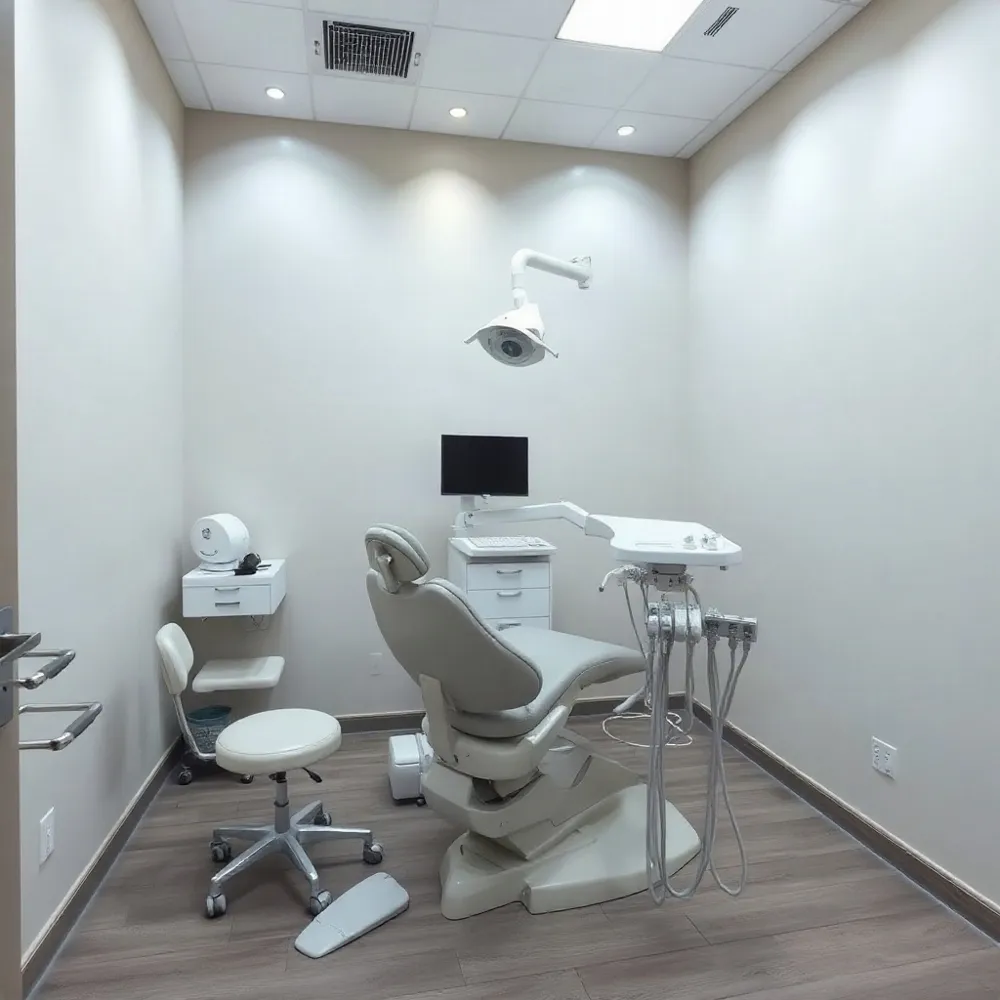 After dental implants are placed, light bleeding or pink-tinged saliva, tenderness, and early swelling can occur. The first day is mainly for rest, comfort, and protecting the surgical area.
Follow your dentist’s directions for gauze, cold packs, head position, and any medication. These instructions depend on your procedure and health, so avoid using a general timeline as a substitute for the plan your dentist gives you.
A blood clot forms at the surgical site and helps protect it as healing begins. Straws, forceful spitting, vigorous rinsing, or touching the area can disturb the site, so ask your dentist when it is safe to rinse or clean near it.
At 3D Dental’s Montauk Highway office in Mastic, Dr. Eran Arvilli uses digital 3D imaging and diagnostics to plan implant care. He earned his DDS at Stony Brook School of Dental Medicine and has cared for Mastic families for more than 25 years.
What Might Days Two Through Seven Feel Like?
Swelling can become more noticeable on the second or third day after dental implant surgery, then begin to ease. Mild soreness, bruising, or a little bleeding can also happen, but each person’s recovery is different.
The gums and nearby soft tissue are still healing during this early phase. Discomfort should generally trend toward improvement over the next several days, though feeling better does not mean the implant has finished healing beneath the gum.
How much discomfort is normal, and when should I call my dentist?
Mild soreness and swelling can be part of recovery. Contact your dentist promptly if pain or swelling worsens, fails to start improving, or returns after easing. Ongoing bleeding, pus, fever, a loose implant, or a change in your bite also needs professional advice.
Trouble breathing or swallowing requires urgent care. For other symptoms, contact your dental office for guidance and follow your dentist’s instructions for aftercare and medication.
At 3D Dental’s Montauk Highway office in Mastic, Dr. Eran Arvilli, DDS, can assess your healing and answer questions. His practice uses digital 3D imaging and diagnostics to help plan implant care, while follow-up and recovery guidance are tailored to the individual.
What Can I Eat While the Site Heals?
 After getting a dental implant — an artificial tooth root placed in the jawbone — start with cool or room-temperature liquids and soft foods that need little chewing. Dr. Eran Arvilli, DDS from Stony Brook School of Dental Medicine, with over 25 years caring for Mastic families, suggests applesauce, mashed potatoes, oatmeal, and soft eggs as gentle options while the area is tender.
Early on, hard, crunchy, sticky, very hot, or crumbly foods may irritate the site or leave small pieces near it. Avoid straws unless your dentist says they are safe, since suction may disturb the healing area.
As comfort improves, you can gradually add more foods, but there is no single date that suits everyone. A bone graft or tooth extraction alongside implant placement may change your instructions, so follow the plan from your dental team.
Dr. Arvilli uses digital 3D imaging to help plan implant care at 3D Dental’s Montauk Highway office in Mastic. If you are unsure what is safe to eat, ask the office before changing your diet.
How Do Weeks Two Through Four Progress?
During the weeks after implant surgery, the gum tissue often continues to close around the site, and day-to-day comfort tends to improve. The surface may look settled before the implant has finished healing underneath, so keep following your dentist’s instructions.
Stitches may dissolve on their own or need removal by a dental professional at a follow-up visit. Do not pull or cut them yourself. At the Montauk Highway office in Mastic, Dr. Eran Arvilli, DDS from Stony Brook School of Dental Medicine, uses follow-up visits to check healing and address questions.
How can I support healing after dental implant surgery?
Follow your dentist’s aftercare instructions, since the right steps depend on your procedure. Protect the site as directed, start with soft foods, and add firmer foods or activity only when your dentist says it is appropriate.
Keep your mouth clean, but ask when and how to clean close to the surgical area. Do not brush directly over it or begin a rinse on a set schedule unless your dentist approves. Take medication only as prescribed or recommended, and check before trying home remedies or changing your routine.
Contact the office about heavy bleeding, worsening pain, or another concern. Dr. Arvilli has cared for Mastic families for more than 25 years, and the practice’s dental implant care includes digital 3D imaging and diagnostics for planning.
Why Does Bone Healing Take Months?
 Bone healing takes longer than the early recovery of the gums. Osseointegration is the process in which living jawbone grows against and bonds with the dental implant.
The gum tissue may look healed and feel comfortable while this bond is still forming beneath it. A dental implant can feel fine before it is ready for the final tooth, so comfort alone cannot confirm that healing is complete.
This bone-bonding stage commonly takes several months, often around three to six months, according to the American Dental Association, but the timing varies with health, implant location, bone quality, and the treatment plan. If the site needs bone grafting, that can affect the schedule; not every patient needs a graft.
How can I tell whether a dental implant is healing well?
Soreness, swelling, and minor bleeding should generally ease after surgery, and the implant should not feel loose. Symptoms that return or worsen after improving are a reason to call your dental office.
Dr. Eran Arvilli, DDS, uses digital 3D imaging and diagnostics at 3D Dental in Mastic to help plan care and assess each patient’s needs. Follow-up visits let your dentist check the site; only a professional assessment can confirm whether the bone has joined securely with the implant.
When Can the Final Crown Be Placed?
A crown is usually considered after the implant has joined with the jawbone and is stable enough to support it. This process, called osseointegration, often takes several months, but the timing depends on your healing and treatment plan.
After checking the implant, the dentist may connect an abutment, a small piece that joins the implant to the replacement tooth. The gum may need time to heal around the abutment before the dentist takes a scan or impression and fits the custom crown.
A temporary tooth may be an option sooner in carefully selected cases, but it is not the final crown and is not right for everyone. Bone grafting or other individual bone and healing conditions can change the schedule, so avoid treating a general timeline as a promise.
At 3D Dental’s Montauk Highway office in Mastic, Dr. Eran Arvilli uses digital 3D imaging and diagnostics to help plan dental implants. Imaging supports planning, but it does not by itself confirm that an implant is ready for a crown. Dr. Arvilli assesses healing and stability before deciding when to proceed.
If you have questions about your own timeline, follow your dentist’s instructions and ask what signs or checks will guide the next step. Dr. Arvilli, a graduate of Stony Brook School of Dental Medicine, has cared for Mastic families for more than 25 years.
What Can Affect Your Personal Timeline?
There is no single schedule for healing after dental implants. Dental implants are artificial tooth roots placed in the jawbone to support replacement teeth. Your overall health, the implant’s position, the amount and quality of bone, and how many implants are placed can all affect how long treatment takes.
If bone grafting is needed to support an implant, healing may take longer before the next treatment step. Bone grafting is a procedure that adds bone material to strengthen the jaw for implant placement. Dr. Eran Arvilli uses digital 3D imaging and diagnostics to plan care at the Montauk Highway office in Mastic, including for patients from Mastic Beach.
Smoking and other nicotine use can interfere with healing. Poorly controlled diabetes may also affect recovery, so tell your dental team about health conditions and nicotine use; the conversation is there to help plan care, not to judge.
Dr. Arvilli earned his DDS from Stony Brook School of Dental Medicine and has cared for Mastic families for many years. He can review how your health and treatment plan may shape your personal timeline, and explain which changes are expected as healing progresses.
Follow the instructions from your own dentist, since restrictions and follow-up plans depend on your procedure. If you have concerns about your healing, contact the dental office rather than relying on a general timeline.
What Should I Ask at Follow-Up?
A general healing timeline cannot tell whether your implant site is healing as it should. Follow Dr. Eran Arvilli’s instructions for your own care, and keep scheduled follow-up visits even if the area feels comfortable.
At the Montauk Highway office in Mastic, Dr. Arvilli can check the healing tissue and discuss what comes next. Contact the dental office if pain or swelling worsens after improving, or if the implant feels loose.
Questions about your recovery are welcome. Dr. Eran Arvilli, DDS, earned his degree at Stony Brook School of Dental Medicine and has cared for Mastic families for more than 25 years.
Frequently asked questions
What might I notice on the first day? Mild soreness, swelling, or light bleeding can occur. Follow your dentist’s instructions for aftercare and medication.
When should swelling start to improve? It may become more noticeable during the first few days, then gradually ease. If it worsens after it had begun to improve, call your dental office.
What foods are safe, and when can I eat normally? Start with soft foods and add firmer choices as comfort allows. Avoid putting pressure on the implant until your dentist says it is safe.
What signs mean I should call the dentist? Contact the office about worsening or persistent pain, returning swelling, unusual drainage, fever, or an implant that feels loose.
When is the final crown placed? The crown is considered after your dentist confirms the implant has bonded sufficiently with the jawbone. Timing depends on your healing and treatment plan.
Book a visit with Dr. Arvilli at 3D Dental in Mastic, or call (631) 772-7379. Se habla español.
Healing Has More Than One Stage
The gums may feel much better within days or weeks, while the implant continues bonding with the jawbone beneath them. This bone-bonding process, called osseointegration, can take several months, so feeling comfortable does not by itself mean the implant is ready for its final crown.
Dr. Eran Arvilli, DDS, who has cared for Mastic families for more than 25 years, checks healing and helps decide when each treatment step is appropriate. General timelines are a guide, not a promise; follow your dentist’s care instructions and ask the office if you are unsure what to expect.
For care or questions about dental implants, call the Montauk Highway office in Mastic at (631) 772-7379. Book a visit with Dr. Arvilli at 3D Dental in Mastic. Se habla español.