A New Way to See Your Smile Before You Commit
Cosmetic dental imaging uses advanced 3D technology to create a detailed, three-dimensional picture of your teeth, gums, and facial structure. Unlike traditional X-rays, which show only a flat, two-dimensional view, this technology captures the full anatomy of your mouth. For many people in the Mastic area, the idea of dental work brings anxiety, but seeing a clear preview of the outcome can turn that fear into excitement.
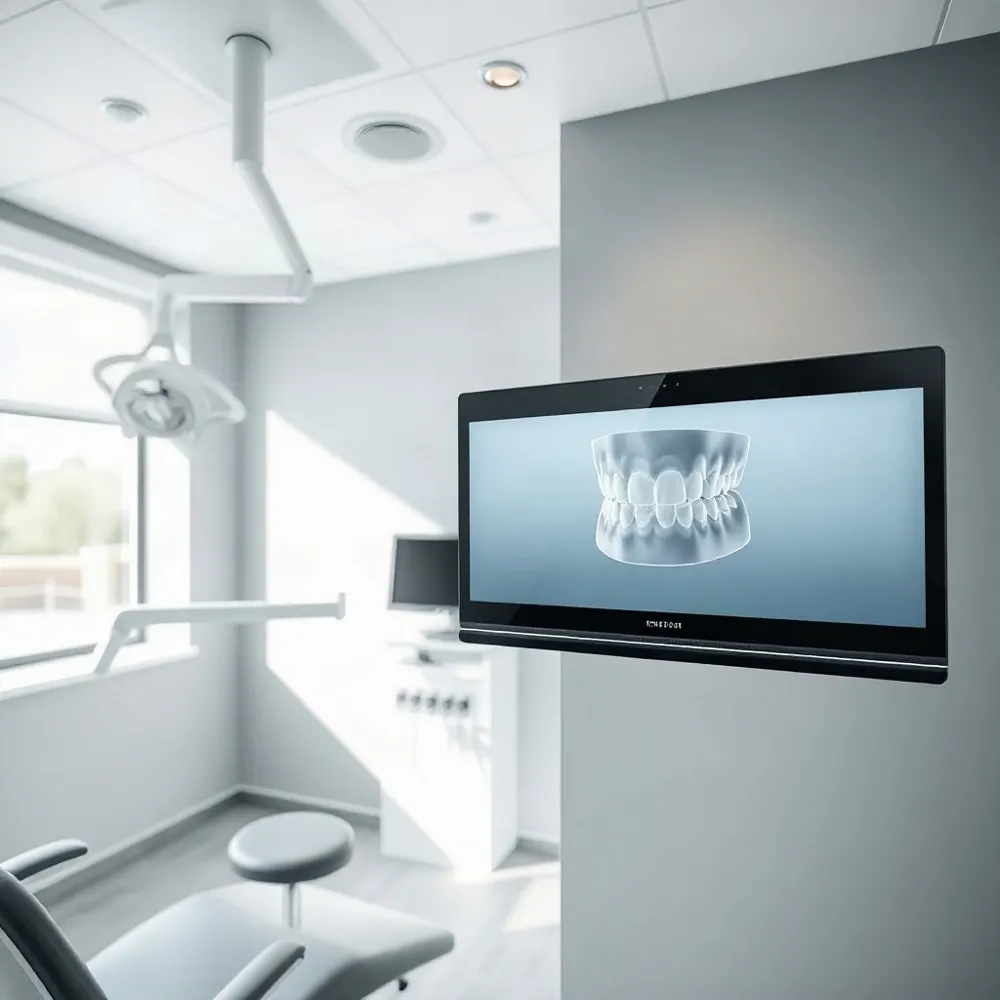
With tools like 3D imaging and virtual smile design, your dentist can map out every step of your treatment before it begins. You no longer have to imagine what a crown, veneer, or smile makeover will look like. Instead, you can see a lifelike preview on a screen, which makes the whole process feel more transparent and collaborative. This is especially valuable for families and individuals who want to be fully informed before committing to any procedure.
At 3D Dental, the team integrates this modern imaging into every stage of care, from routine checkups to complex smile redesigns. Dr. Eran Arvilli and his staff use it to plan treatments with a level of precision that older methods simply cannot match. The result is a calmer, more confident dental experience for patients who may have put off care for years.
How 3D Imaging Works in Practice
During a typical imaging session, a low-dose cone beam CT scanner rotates around your head, capturing hundreds of images in seconds. These images are then combined into a single, detailed 3D model. This model allows your dentist to examine your teeth from every angle, measure bone density, and identify issues that might be missed by traditional X-rays. As CBCT technology shows, this approach is faster, safer, and more accurate.
For patients, the biggest benefit is understanding. When you can see the inside of your mouth and the proposed treatment on a screen, you are no longer trusting a vague description. You are seeing exactly what will happen. This is particularly helpful for procedures like dental implants, where precise placement is critical. The role of 3D imaging in dental care has been documented to improve outcomes by reducing guesswork.
A Personalized Approach to Smile Design
One of the most exciting applications is digital smile design. Instead of a one-size-fits-all approach, your dentist can craft a smile that matches your facial features, skin tone, and personal preferences. You can preview different shapes, sizes, and shades of teeth before any work begins. This not only boosts confidence but also ensures you are completely happy with the planned result.
At 3D Dental, this level of personalization is combined with a warm, judgment-free environment. The team takes time to explain each step in plain language, whether you speak English or Spanish. For families in Suffolk County, this means less anxiety about the unknown and more trust in the final outcome. Whether you are considering a single crown or a full smile makeover, 3D imaging helps you see the future of your smile clearly.
| Imaging Type | What It Shows | Why It Matters |
|---|---|---|
| Traditional X-ray | 2D flat image | Limited detail, can miss hidden issues |
| 3D Cone Beam CT | 3D model of teeth and bone | Precise planning for implants and surgery |
| Digital Smile Design | Preview of smile makeover | See results before treatment begins |
By embracing this technology, 3D Dental makes high-quality, gentle care accessible to everyone in the Mastic area. You no longer have to wonder what your smile could look like. With 3D imaging, you can see it, understand it, and feel confident moving forward.
What Is Cosmetic Dental Imaging?
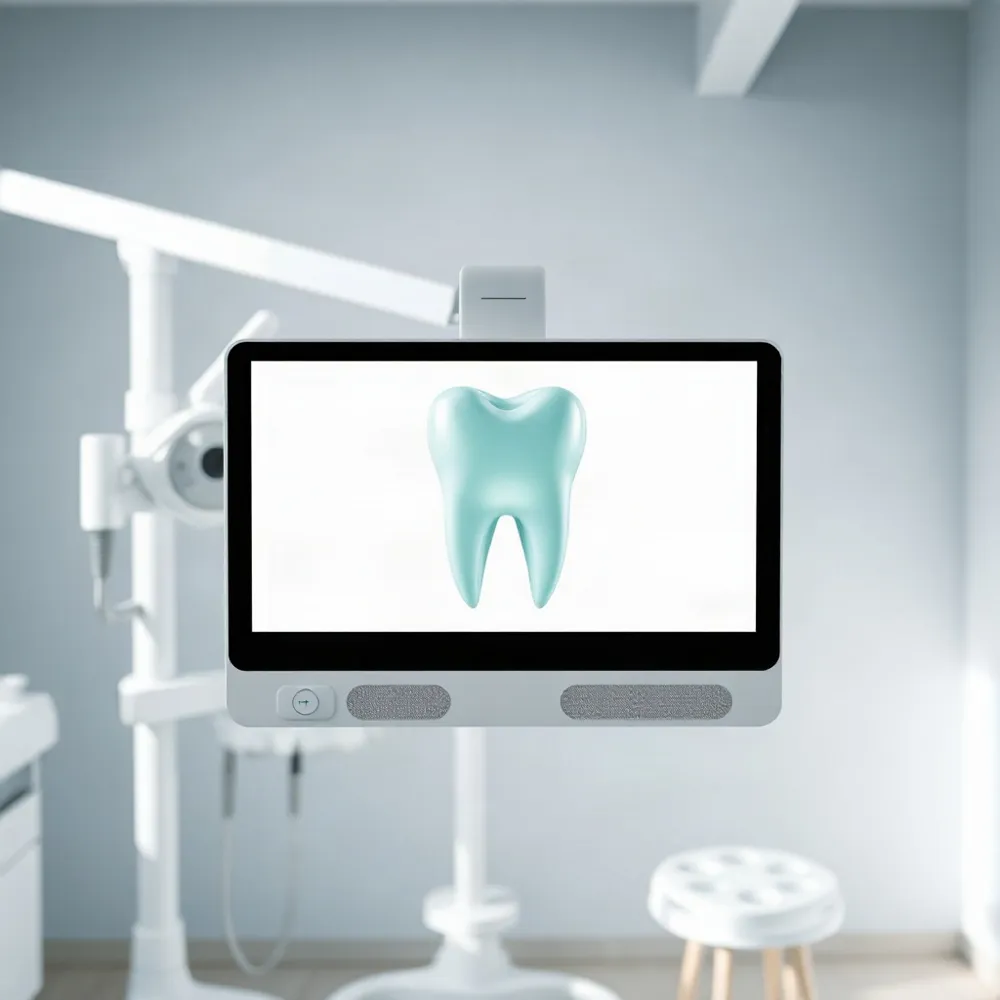 Cosmetic dental imaging uses advanced technology to create detailed, three-dimensional views of your teeth, gums, and facial structure before any treatment begins. Unlike traditional X-rays, which show a flat, two-dimensional picture, 3D imaging captures the full anatomy of your mouth in a way that is both precise and easy to understand. This technology helps dentists like Dr. Eran Arvilli at 3D Dental plan procedures with a level of accuracy that simply wasn't possible in the past.
The process is straightforward and patient-friendly. A low-dose scanner rotates around your head, capturing hundreds of images in seconds. These images are then combined by specialized software into a single, interactive 3D model. You can see your own teeth from every angle, which makes it much easier to grasp what your smile could look like after treatment. For families in Mastic, NY, this means no more guessing about the outcome.
One of the most common applications is in smile design. Using tools like digital smile design, dentists can preview the expected result of cosmetic procedures such as veneers or crowns before you commit. This approach, highlighted by 3D dental imaging guides, empowers you to make informed decisions about your care. Instead of relying on guesswork, you receive a clear visual roadmap.
How 3D Imaging Improves Treatment Planning
The benefits extend beyond just seeing a preview. With 3D imaging, your dentist can measure the exact dimensions of your teeth, the density of your jawbone, and the position of nerves and sinuses. This information is critical for procedures like dental implants, where precision is essential for long-term success. For example, a CBCT scan provides a cross-sectional view that reveals bone quality and quantity, helping your dentist determine the best placement for an implant before making any incisions.
This level of detail also reduces the risk of complications. Because your dentist can see exactly where to work, there is less chance of damaging nearby teeth or nerves. This translates to a more comfortable experience during the procedure and a faster recovery afterward. For patients who feel anxious about dental work, this precision offers peace of mind.
The Role of 3D Imaging in Personalized Dental Care
Every smile is unique, and 3D imaging allows for a truly personalized approach to treatment. Rather than applying a one-size-fits-all solution, your dentist can tailor the plan to your specific anatomy and cosmetic goals. This is particularly valuable in cosmetic dentistry, where the goal is to create a natural-looking, harmonious smile.
For instance, in designing a smile makeover, your dentist can use a 3D model to show you how different tooth shapes and sizes will look in your mouth. This collaborative process, similar to what is described in virtual smile design resources, ensures you are an active participant in your care. You are not just a passive recipient of treatment; you are a partner in creating your ideal smile.
A Closer Look at the Technology
The technology behind cosmetic dental imaging is both sophisticated and accessible. Cone beam computed tomography (CBCT) is a common type of 3D imaging used in dentistry. It provides a comprehensive view of the teeth, roots, and jawbone in a single scan, with a low radiation dose. This is different from traditional CT scans, which are typically reserved for more complex medical situations.
At 3D Dental, this technology is part of a broader commitment to gentle, modern care. The practice uses 3D imaging not only for cosmetic cases but also for routine diagnostics, root canal therapy, and oral surgery. This means that no matter your dental needs, you can benefit from the accuracy and efficiency of digital imaging.
| Aspect | Traditional X-Ray | 3D Dental Imaging |
|---|---|---|
| Image Type | 2D Flat Image | 3D Interactive Model |
| Diagnostic Detail | Limited to Crowns and Cavities | Full Anatomy: Bone, Nerves, Roots |
| Patient Communication | Hard to Visualize | See Your Smile Preview |
| Treatment Planning | Based on Estimates | Precise Measurements and Simulation |
| Radiation Dose | Low | Low-Dose Option Available |
How 3D Scans Capture Your Smile
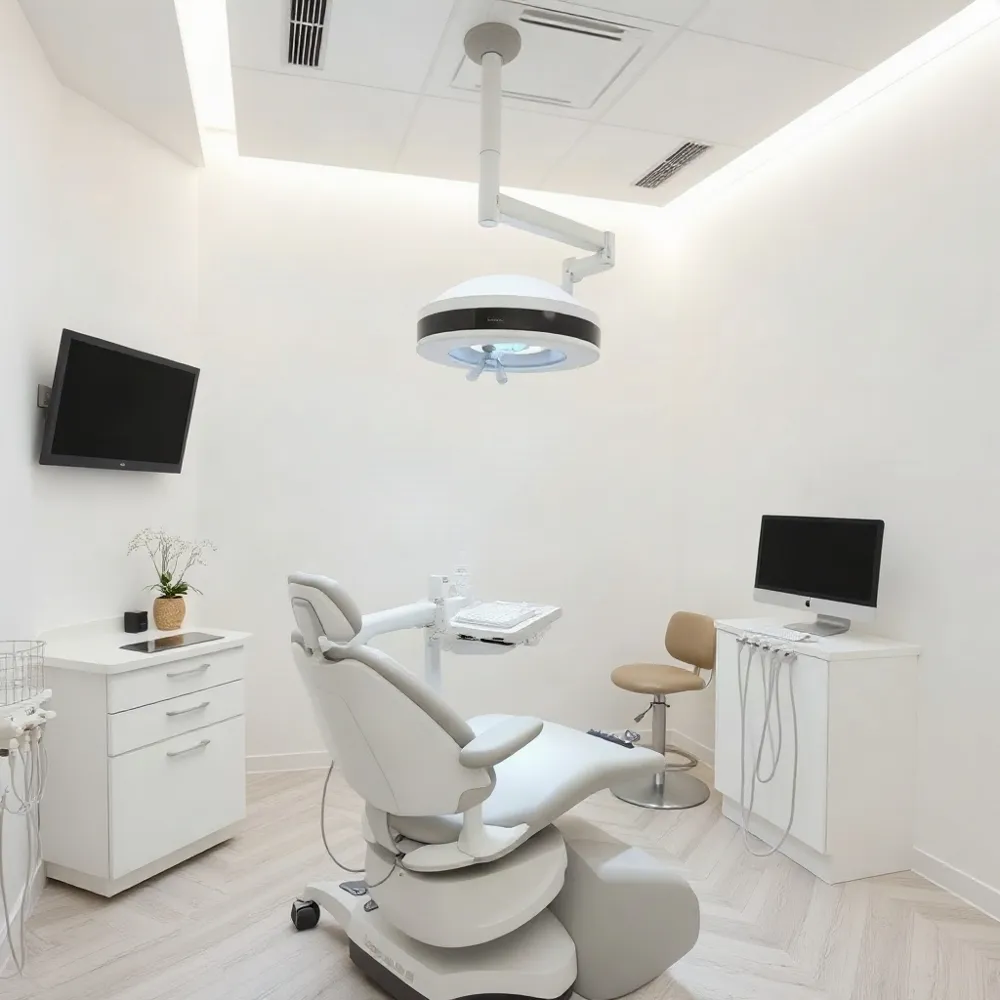 For many people, the word “impression” brings back an uncomfortable memory: a tray loaded with thick, pasty material pressed against your palate, often triggering a gag reflex. Traditional impressions typically take several minutes of that unpleasantness, and the process can be stressful for anxious patients. 3D scanning changes the experience entirely. A wand-like scanner glides over the teeth and captures thousands of images per second, usually completing the digital impression in just 15 to 40 seconds, according to a clinical overview of 3D dental imaging. That speed, combined with the absence of goopy materials, makes the scan a far calmer step for kids, adults, and anyone who dreads dental visits.
At 3D Dental, Dr. Eran Arvilli and the team use this same digital approach to make every appointment more comfortable and efficient. The scanner captures a detailed 3D model of your teeth and gums in real time, which means no waiting for a physical mold to set and no bitter-tasting material lingering in your mouth. For the whole family, especially children who have trouble sitting still, the quick scan reduces the chance of movement and blur, so the digital model stays accurate on the first try.
Beyond patient comfort, the speed of 3D scanning has a direct impact on treatment planning. The digital model is instantly available on screen, letting Dr. Arvilli show you exactly what he sees and discuss your options without delay. Whether you need a crown, an implant, or a digital smile design, the scan eliminates the back-and-forth of traditional impressions and streamlines the path from diagnosis to treatment.
Seeing Your Future Smile with Digital Design
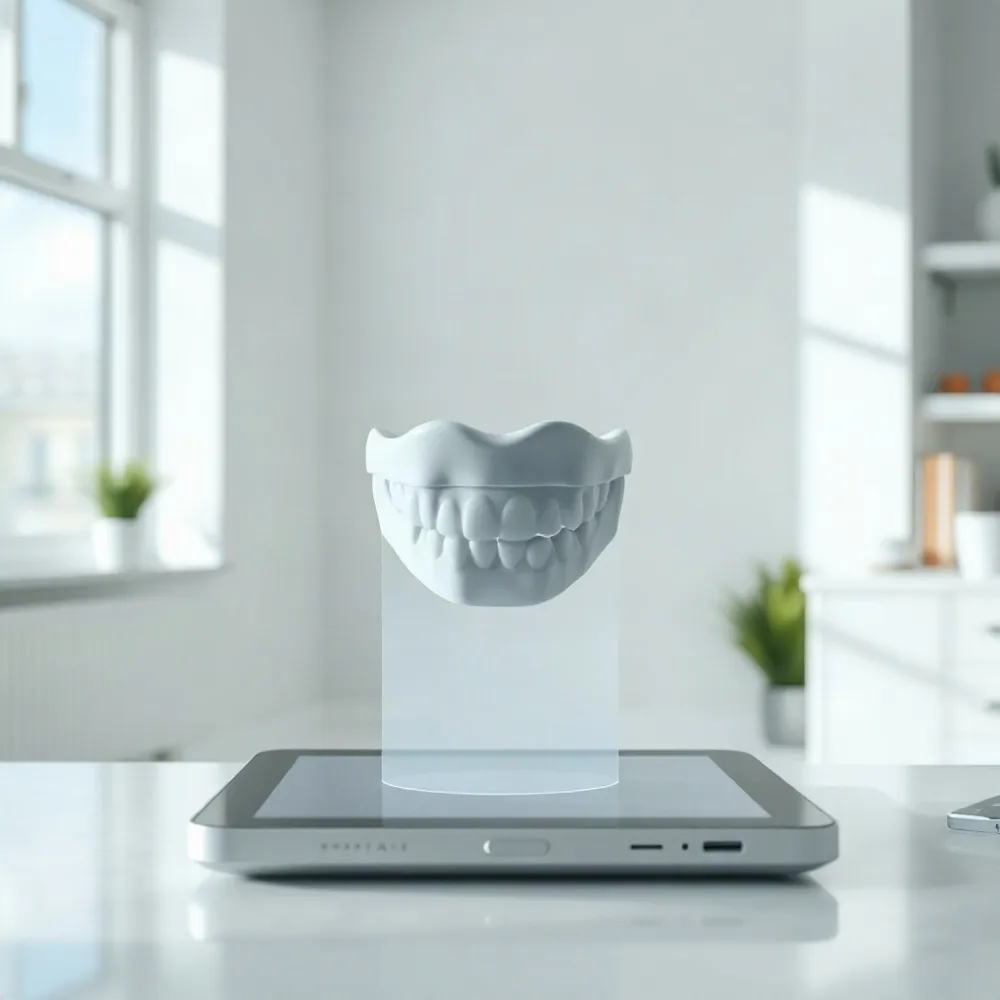 One of the most reassuring parts of modern cosmetic dentistry is the ability to see your potential new smile before any work begins. With digital smile design, your dentist can combine 3D imaging with specialized software to create a lifelike preview of your future smile. This isn't just a fun gimmick; it's a powerful tool that improves communication between you and your dental team.
Instead of describing what you want in abstract terms, you can point at a digital model and say, "I'd like my teeth a bit longer" or "Can we soften that curve?" The process involves capturing detailed 3D images of your teeth and gums, then using software to manipulate the image and show you exactly how different shapes, sizes, and shades will look on your face. For many patients, this removes the guesswork and the anxiety of wondering whether a treatment will actually look good.
Why Seeing a Preview Cuts Down on Appointments
A preview also streamlines the entire treatment plan. When you can approve a design before treatment starts, there are fewer surprises later. Your dentist can make adjustments in the digital world instead of during a procedure, which often means fewer visits and less time in the chair. This approach is particularly valuable for complex cases like smile makeovers or full-mouth restorations, where getting the details right the first time matters.
At 3D Dental in Mastic, NY, Dr. Eran Arvilli and his team use advanced 3D imaging and digital design tools to give you a clear, personalized preview before you commit to any cosmetic procedure. Whether you're considering veneers, crowns, or a complete smile transformation, you'll have a clear picture of the expected outcome. This emphasis on patient education and comfort is part of why so many Suffolk County families trust 3D Dental for their dental care.
Three-dimensional imaging makes dental treatment faster, safer, and more precise. With a digital smile preview, you can see your potential new smile before any work begins — simply put, 3D Dental lets you visualize the final result with confidence. According to a 2023 study in the Journal of Prosthodontic Research, digital smile design significantly improves patient satisfaction by allowing them to participate in the planning process (sciencedirect source).
Is a Smile Makeover Right for You?
If the idea of a dental visit brings up memories of uncomfortable molds, goopy impressions, or long waits for results, modern 3D imaging changes that picture completely. Instead of sitting with a tray full of putty, you rest comfortably in the chair while a small camera glides around your face, capturing detailed images in about a minute. There is no gagging, no mess, and no need to bite down on anything. The technology replaces the old, uncomfortable parts of the appointment with a quick, painless scan that most patients describe as surprisingly easy.
Why 3D Imaging Feels Different
Traditional X-rays give your dentist a flat, two-dimensional look at your teeth and jaw, which means some details can hide behind other structures. 3D imaging, often called cone beam computed tomography (CBCT), builds a complete three-dimensional model of your mouth. This lets your dentist see the exact position of tooth roots, nerves, sinuses, and even the density of your jawbone. For you, the result is a more accurate diagnosis and a treatment plan that is truly tailored to your unique anatomy, not a one-size-fits-all approach.
Comfort. No impressions or gagging. The scanner is gentle and quick, so even patients with a strong gag reflex or dental anxiety can sit through it easily.
Speed. A full scan takes about a minute. You get results immediately, which means no waiting weeks for a lab to process anything.
Clarity. The 3D model shows your dentist things that are invisible on a 2D X-ray, like tiny cracks, early-stage decay, or the exact path of a nerve before an implant is placed.
For families in Mastic, this means fewer surprise findings later. When your dentist can see the whole picture upfront, they can catch small issues before they turn into bigger, more expensive ones. It also means fewer repeat visits, because the treatment plan is built on complete information the first time. As 3D Dental explains, this level of detail allows for more predictable outcomes, which is especially valuable for procedures like dental implants or root canals where precision matters most.
From Scan to Smile in Minutes
One of the most exciting parts of 3D imaging is what happens after the scan. The digital model is not just for the dentist's eyes; it can be used to show you a virtual preview of your new smile. This is sometimes called a digital smile design, and it lets you see the potential result before any work begins. You can visualize how a crown, veneer, or even a full smile makeover might look, and you can make adjustments based on what you see. For many patients, this preview turns a vague idea into a concrete, exciting plan.
The technology also speeds up the actual treatment. With a 3D model, your dentist can plan the exact placement of an implant or the precise shape of a restoration, often in a single appointment. This means fewer visits and less time in the chair overall. For a busy family, that convenience matters. At 3D Dental, this same precision is applied to everything from routine fillings to full smile makeovers, so you get the benefit of modern technology no matter what your visit is for.
| Feature | Traditional X-Ray | 3D Imaging at 3D Dental |
|---|---|---|
| Comfort | Firm bitewings | Gentle, open-air scan |
| Detail | 2D, can hide issues | 3D, full anatomy view |
| Time | Multiple films | One ~1-minute scan |
| Patient Experience | Awkward angles | Relaxed, easy position |
The whole experience is designed to be calm and judgment-free, which is especially reassuring if you have been putting off a dental visit. There are no cold, clinical steps to dread, just a gentle scan that captures everything your dentist needs. And because the images are digital, they are easy to share, store, and review together, so you always know what is happening with your oral health. You are not just a set of teeth to be treated; you are a partner in the process, and the technology helps make that partnership clear.
Understanding Insurance and Cost
For years, dentistry often followed a one-size-fits-all approach. A patient might see a single photo of a "perfect" smile and be told it was the goal, regardless of their facial structure, gum line, or natural tooth shape. That model leaves many people feeling like their own smile is a compromise rather than a reflection of who they are. The shift toward personalized treatment planning is really about turning that around, making the patient the center of the process.
This is where 3D imaging changes the game in a practical, everyday way. Instead of guessing or working from a flat X-ray, your dentist can build a complete digital model of your mouth, including your teeth, roots, and surrounding bone. 3D dental imaging allows for a level of precision that simply wasn't possible with traditional methods alone. When you can see your own anatomy in three dimensions before any work begins, the treatment plan becomes something you understand and agree with, rather than a mystery you just trust.
Why Choose a Practice with 3D Imaging
3D dental imaging uses cone beam computed tomography (CBCT) and intraoral scanners to capture a detailed, three-dimensional view of your teeth, jawbone, nerves, and airways. Unlike traditional X-rays, which show a flat, two-dimensional picture, 3D imaging creates a complete digital model that your dentist can rotate, zoom, and examine from any angle. This technology is transforming how dentists plan and deliver care, making treatments more precise, faster, and more comfortable for you.
The process is straightforward and non-invasive. A scanner is passed over your teeth or a cone beam unit rotates around your head, capturing hundreds of images in seconds. Those images are combined into a single 3D model on a computer screen. Because there is no biting down on uncomfortable molds and no waiting for impressions to set, most patients find the experience far more pleasant than traditional methods. At 3D Dental in Mastic, NY, the same technology is used to support everything from routine checkups to complex smile makeovers.
What Does 3D Imaging Show That Traditional X-Rays Miss?
Traditional dental X-rays are excellent at spotting cavities and checking bone levels, but they offer only a limited, two-dimensional view. 3D imaging reveals the hidden structures that flat images cannot show: impacted teeth, root fractures, sinus infections, jaw tumors, and the exact position of nerves and blood vessels. This deeper visibility is especially valuable for planning dental implants, root canals, and wisdom tooth extractions, where precision can mean the difference between a smooth procedure and a complicated one.
The result is a more accurate diagnosis and a safer, more predictable treatment plan. Instead of discovering problems mid-procedure, your dentist can identify them in advance and prepare accordingly. For you, that translates into fewer surprises, less time in the chair, and better outcomes overall. This is why modern dental practices, including 3D Dental, now rely on 3D imaging as a standard part of comprehensive care.
Your Smile, Planned with Precision
One of the most stressful parts of any cosmetic dental treatment is the uncertainty. You hear words like veneers, crowns, or whitening, but it can be hard to picture the final result. 3D Dental in Mastic, NY, solves this with modern 3D imaging that lets you preview your new smile before committing to treatment.
Using tools like intraoral scanners and CBCT, your dentist can capture a detailed digital map of your teeth, gums, and bite. This isn't just a static X-ray; it's a living 3D model on a screen. You can rotate it, zoom in, and see exactly how your smile will look with different shapes, sizes, or shades. This approach, known as digital smile design, turns a vague idea into a concrete visual, so you can make informed decisions with confidence.
What 3D Imaging Actually Shows You
Traditional photos and bite impressions give a limited view. 3D imaging, on the other hand, provides a complete picture of your oral anatomy. It reveals the position of your teeth roots, the density of your jawbone, and the alignment of your bite. For treatments like dental implants, this detail is critical for planning safe and precise placement.
For smile makeovers, the benefit is visual. Your dentist can use the 3D model to show you a digital preview of your new smile. You can see how a straighter, brighter, or more balanced smile would look on your actual face, not on a generic model. This realistic preview helps you align your expectations with what's achievable, reducing the risk of disappointment later.
- See your potential new smile in a digital preview before any work begins.
- Understand how different treatment options (veneers, crowns, whitening) might change your appearance.
- Identify any underlying issues, like bone loss or impacted teeth, that could affect your treatment plan.
- Plan complex procedures, such as implants or orthodontics, with greater precision and safety.
This technology is particularly helpful for families. Whether you're considering a single veneer to fix a chip or a full smile makeover, seeing the possible outcomes helps everyone feel more comfortable and engaged in the process. It's a collaborative approach, where you and your dentist review the digital plan together before any dental work is scheduled.
Why a Preview Matters for Your Peace of Mind
The biggest advantage is psychological. Knowing what to expect reduces anxiety. Instead of hoping for the best, you walk into the treatment room with a clear picture of the result. For many patients, this preview phase is what transforms a potentially stressful dental visit into an exciting one.
At 3D Dental, this fits perfectly with the practice's gentle, patient-first philosophy. The team takes time to explain what you're seeing on the screen, answer your questions, and adjust the digital design based on your preferences. It's not about pushing a one-size-fits-all solution; it's about crafting a smile that you love, using technology to make sure you're happy with the plan from the very start.
| Aspect | Traditional Approach | 3D Imaging Approach |
|---|---|---|
| Visualization | Limited to X-rays and impressions | Full 3D model you can rotate and explore |
| Preview | Impossible to see the final result | Digital smile design lets you preview the outcome |
| Planning | Relies on manual measurements and guesswork | Precise digital planning for predictable results |
| Patient Experience | Often abstract and uncertain | Interactive and reassuring, reducing anxiety |
If you're curious about how 3D imaging can help you see your dream smile, a visit to 3D Dental in Mastic, NY, is a great place to start. During a consultation, you can experience the technology firsthand and discuss your cosmetic goals with a team that prioritizes your comfort and clear communication.