A First Visit Focused on Comfort
A child’s first dental appointment is a gentle introduction, not a test of how well they sit still. It gives the dentist a chance to check how the teeth, gums, and jaw are developing, answer family questions, and help the child become familiar with dental care. The American Dental Association’s first-visit guidance notes that a parent can hold a young child during the examination if that feels more comfortable.
At 3D Dental in Mastic, the team’s gentle, personalized approach helps families take the visit at a pace suited to the child. Sharing a child’s health history, questions, or worries helps the dentist plan a reassuring appointment.
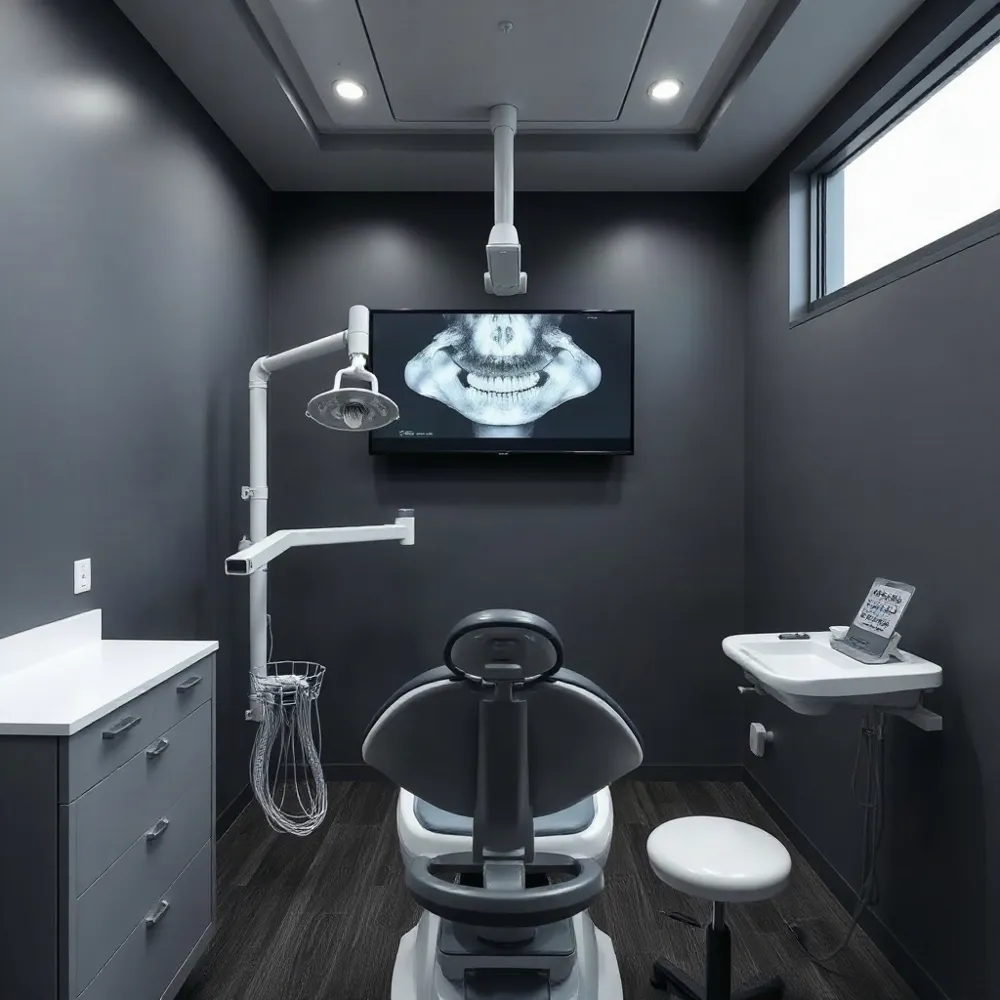
What happens during the visit depends on the child’s age and needs. The dentist may recommend an examination, cleaning, or preventive guidance, while imaging is considered only when clinically needed. Each family can discuss the plan and any concerns with the dental team.
When to Schedule the First Visit
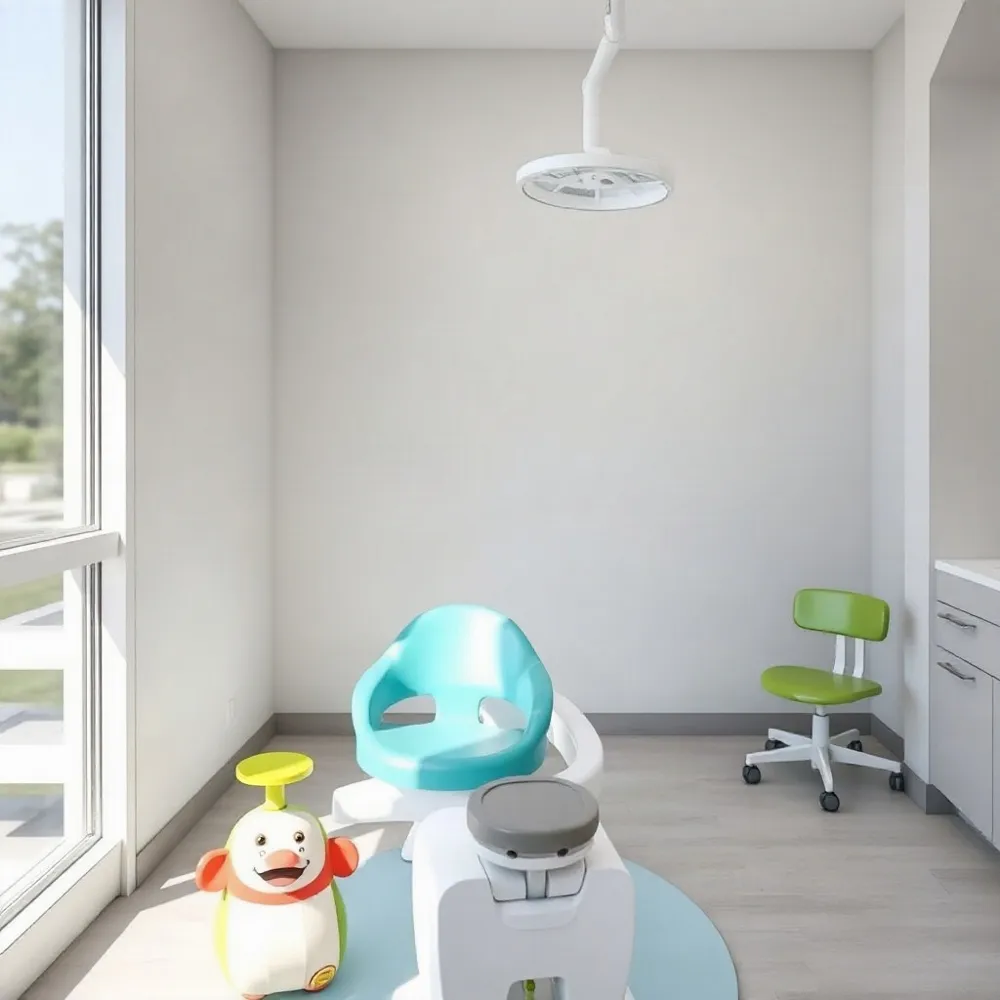 Plan your child’s first dental visit when the first tooth appears, or by their first birthday at the latest. Stanford Medicine Children’s Health gives similar guidance: schedule within six months after the first tooth erupts. This early checkup helps the dentist assess your child’s teeth and gums and offer prevention advice suited to their needs.
The visit is also a chance for your child to begin getting familiar with the dental office before a problem arises. A calm, welcoming approach can make the experience feel less unfamiliar. At 3D Dental in Mastic, the team’s gentle, patient-focused care helps families make the first appointment a positive introduction. You can find more tips for a stress-free first pediatric dental visit before you come in.
If you notice tooth pain, a visible change, or another concern before the recommended visit, contact a dentist for guidance rather than waiting for a routine appointment. Early advice can help you understand whether your child needs to be seen sooner. The [American Academy of Pediatric Dentistry’s first-visit guidance](https://www.aapd.org/resources/parent/faq/) also supports arranging a checkup when the first tooth appears or by the first birthday.
What the Dentist Checks
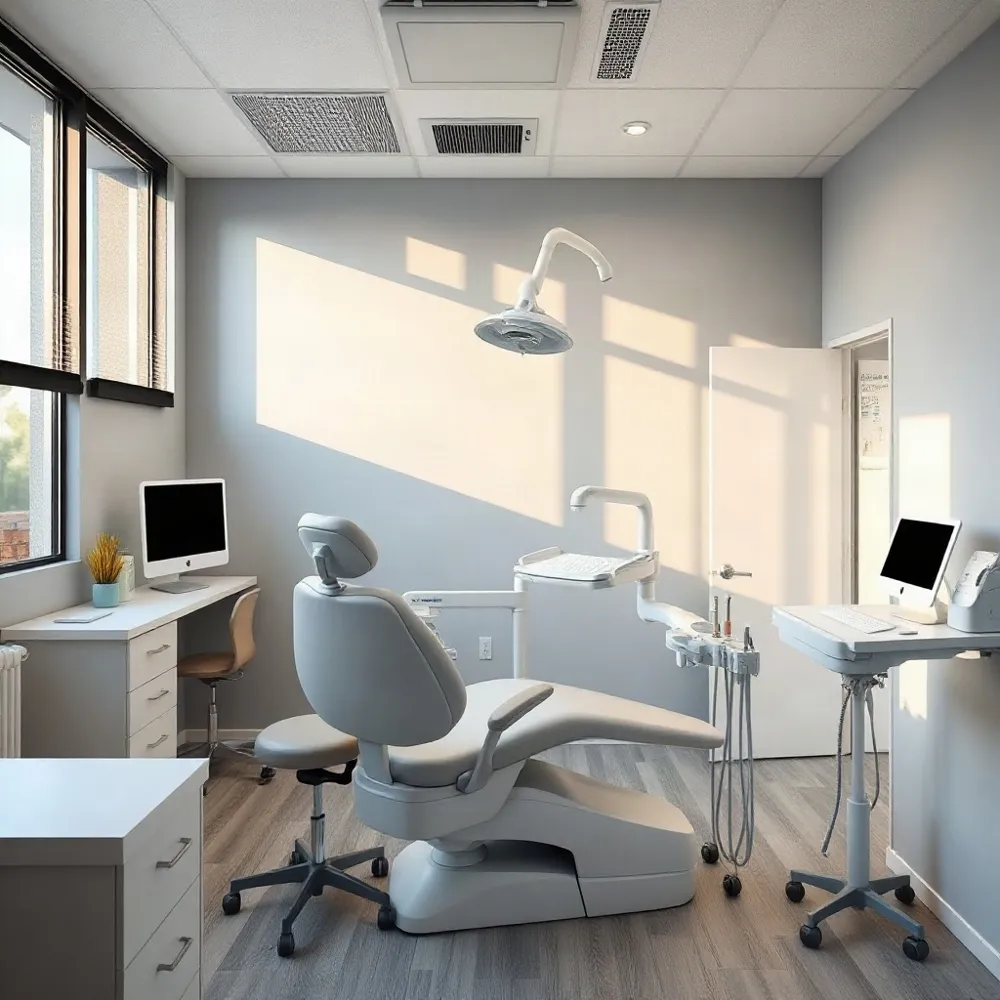 A child’s first dental appointment is usually a gentle introduction, not a test your child has to pass. It often takes about 30 to 45 minutes, giving the team time to help your child settle, examine their mouth, and answer your questions. At 3D Dental in Mastic, the team’s gentle, patient-focused approach reflects Dr. Eran Arvilli’s more than 25 years of experience caring for patients.
The dentist checks the teeth, gums, bite, jaw, and other tissues in the mouth, adjusting the exam to your child’s age and comfort. The goal is to assess development and look for concerns such as cavities or mouth injuries. A gentle cleaning may be offered if it suits the child’s needs. For young children, X-rays are not routine at a first visit; the dentist may recommend them when needed to investigate a specific concern. Stanford Medicine Children’s Health explains what the first exam may include and when imaging may be considered.
A young child can sit on your lap during the examination if that feels more reassuring. Wiggling or crying can also be a normal response to an unfamiliar experience, and the dental team can work with you to help your child feel safe. The American Dental Association’s first-visit guidance describes a parent-held exam as an option. You can also share your child’s health history and ask about brushing, feeding, teething, or pacifier habits. For practical ways to help the visit feel calmer, see these stress-free first pediatric dental visit tips.
Preparing Your Child and Sharing Concerns
A little preparation can make the appointment feel more familiar. Use simple, positive words to explain that the dentist will look at your child’s teeth and help keep them healthy. For preschool-age children and older, you can mention the exam room, bright light, masks, and instruments without making them sound frightening. Stanford Medicine Children’s Health also suggests describing what to expect in an age-appropriate way.
Choose a time when your child is usually rested and alert. A morning appointment may suit some young children, while avoiding nap time can help prevent tiredness from adding to the stress of a new experience.
Before the visit, tell the dental team about your child’s complete health history, any questions or fears, and how they tend to respond to unfamiliar care. At 3D Dental, the team can use these details to plan a gentle, individual approach. Sharing concerns early also gives you a chance to ask what may help your child feel secure.
Some children are comfortable staying close to a parent, while others manage brief separation more easily as they grow. There is no need to assume your child will react a certain way based on age alone. Discuss whether having you nearby would help, and work with the dental team on an approach that fits your child’s comfort and development.
Building Healthy Home Care
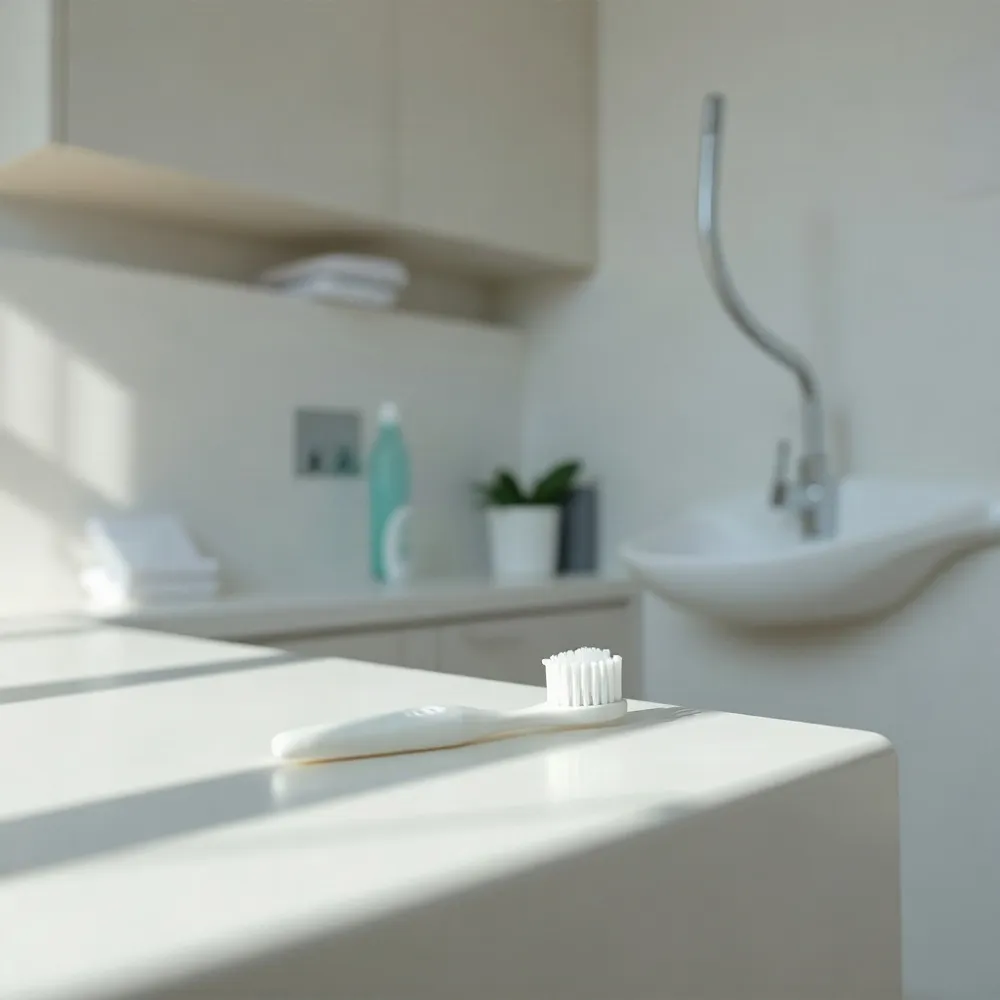 Healthy routines can start before your child has teeth. Gently wipe the gums with a clean, damp cloth, then begin brushing as soon as the first tooth appears.
Choose a soft, child-sized toothbrush. For children under three, use a thin smear of fluoride toothpaste about the size of a grain of rice. From ages three to six, use a pea-sized amount. These amounts follow American Academy of Pediatric Dentistry guidance for parents.
An adult should brush the child’s teeth or supervise closely, since young children may miss spots or swallow toothpaste. Encourage your child to spit out the excess rather than swallow it. If you are unsure about fluoride in your child’s toothpaste or drinking water, ask the dentist what is appropriate.
Regular checkups complement daily brushing. The dentist can tailor advice to your child’s teeth and cavity risk, and discuss whether added protection, such as fluoride varnish, may help. At 3D Dental in Mastic, families can ask questions and receive care shaped around their child’s needs.
Recognizing Signs That Need Attention
At home, notice changes such as visible plaque or food buildup, persistent bad breath, white or dark spots on teeth, or gums that look red, swollen, tender, or bleed during brushing. These signs can have different causes and do not, by themselves, prove that a child has poor hygiene or a specific dental problem.
Pain or sensitivity, rubbing the cheek or jaw, chewing on one side, eating more slowly, or waking because of mouth discomfort are also worth discussing with a dentist. An examination can help identify what is causing the change; the American Dental Association’s guidance on a baby’s first dental visit notes that a dentist checks for cavities and other concerns.
Contact a dental professional promptly about ongoing pain, swelling, or possible signs of infection. Even when a child seems comfortable, regular checkups can help identify concerns that may not be obvious at home. If your child is uneasy about a visit, these tips for a stress-free first pediatric dental visit may help you prepare.
Discussing Anesthesia Before Treatment
Anesthesia is not a routine part of a first dental visit. If a two-year-old later needs treatment, the options depend on the procedure, the child’s health and development, and whether they can remain safely still. A dentist may use local anesthetic to numb an area, sedation to help a child relax, or general anesthesia, which involves the child being unconscious. These approaches are different, so ask the care team to explain what they recommend and why.
Before treatment, tell the team about medical conditions, medicines, allergies, recent illnesses, and any breathing or airway concerns. This information helps them consider the child’s individual needs and plan care.
Ask who will provide the anesthesia and about their training with young children, how your child will be monitored, and what emergency support is available. Clarify fasting instructions, expected recovery, and the benefits, risks, and alternatives. Discuss these points before deciding, and follow the care team’s directions closely.
At 3D Dental in Mastic, caregivers can discuss a child’s needs with the dental team before planned treatment. A calm conversation helps families understand the proposed approach without assuming anesthesia is needed for an introductory checkup.
A Reassuring Path to Ongoing Care
A child’s first dental visit can give caregivers a clearer picture of oral health and practical advice suited to the child’s needs. It also offers a chance to share questions, health history, and anything that may help the child feel at ease.
Routine checkups are generally recommended every six months, though the dentist may suggest a different schedule based on a child’s development or comfort. At 3D Dental in Mastic, families can discuss their child’s needs with a team known for gentle, personalized care and modern 3D imaging.
Bring your questions and let the dental team know about your child’s health history and concerns. A calm conversation can help shape care around your family.