
Make the First Visit Feel Familiar
A child’s first dental visit can be a gentle introduction to caring for their smile, not a test of how long they can sit still. The American Dental Association recommends an appointment after the first tooth appears and by the first birthday at the latest, helping families begin care early and ask questions as teeth develop (first dental visit guidance).
For Mastic families, a little preparation can make the new setting feel less unfamiliar. Talk about the visit in simple, positive terms, practice opening wide at home, and choose a time when your child is usually rested. If they wiggle or become upset, patience matters more than a perfect appointment.
At 3D Dental, gentle, personalized care and a calm approach help children and parents feel supported. Let the team know what comforts your child or what they may find difficult; the visit can be adapted to their needs, one small step at a time.
Start Early and Follow Your Child’s Development
You do not need to wait until your child has a full set of baby teeth to book a dental visit. The American Dental Association recommends an appointment after the first tooth appears and no later than the first birthday, so families can plan for whichever comes first. Your baby's first dental visit explains why early care matters.
Baby teeth often start to appear around six months, commonly with the lower front teeth, but the timing and order vary. Other teeth emerge gradually, and most children have all 20 primary teeth by about age 2½ to 3. A routine checkup gives the dentist a chance to follow how the teeth, gums, and jaw are developing, rather than relying on a fixed timetable for every child.
Early appointments can also make dental care feel like a familiar part of growing up. The first visit may include guidance for caregivers on brushing, feeding, and preventing cavities, as well as an age-appropriate look at the child’s mouth. Stanford Children’s Health’s first-visit guidance describes the visit as a chance to check development and help a child become comfortable with the dentist.
At 3D Dental in Mastic, pediatric dentistry is part of the practice’s family care. Its gentle, personalized approach can help families discuss their child’s development and any concerns in a calm setting. If you notice something that worries you before the recommended visit, contact a dentist for advice rather than waiting for more teeth to come in.
Make Preparation Playful and Reassuring
A little practice at home can make the dental office feel less unfamiliar. Describe the visit in simple, positive terms, such as, “The dentist will count your teeth and help keep them healthy.” Avoid frightening stories, but do not promise exactly what will happen; the dentist will tailor the visit to your child.
Try taking turns pretending to be the dentist and patient, using a toothbrush or mirror to count teeth. You can also practice opening your child’s mouth briefly, or read a book or watch a child-friendly video about dental visits. The American Dental Association’s preparation guidance suggests these kinds of familiar activities to help children feel more confident.
Before appointment day, ask whether forms can be completed at home. Share your child’s health history, sensitivities, and any questions you have. This helps the dentist plan a visit that feels calm and comfortable for your child.
Know What the First Appointment May Include
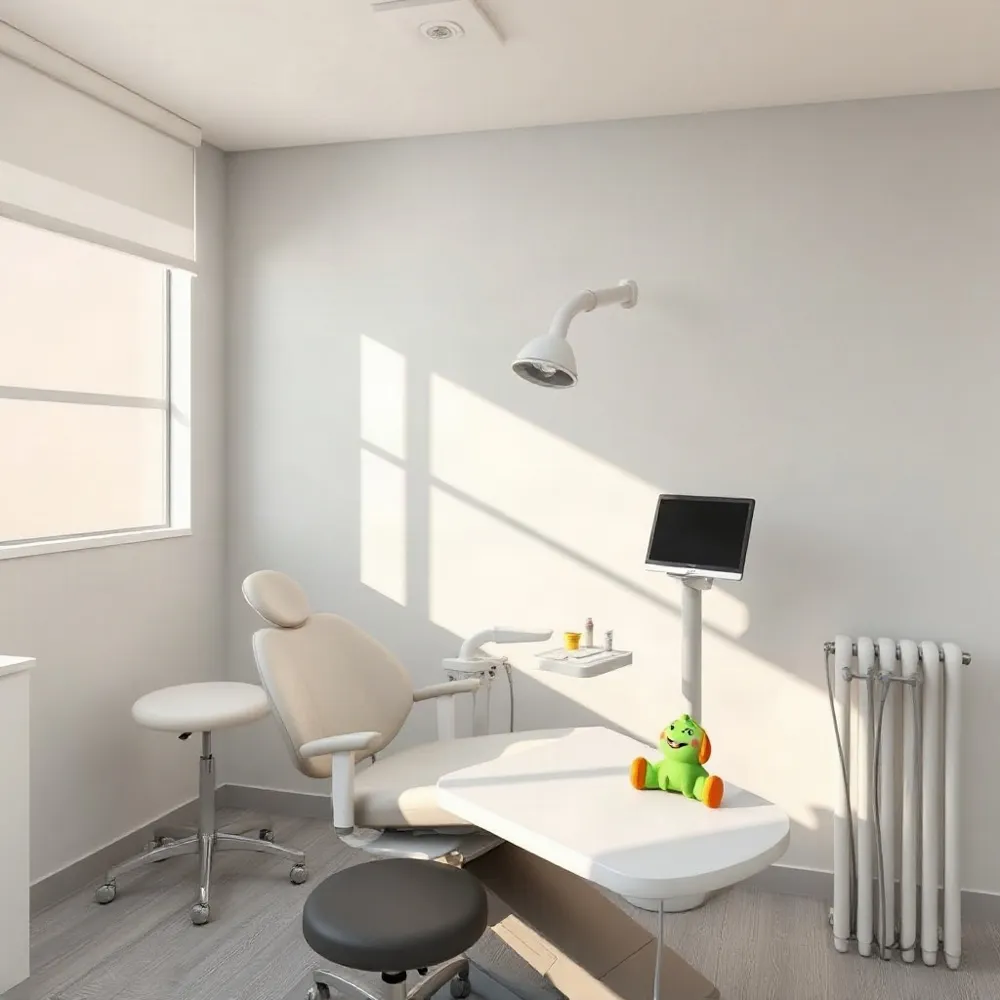 A first appointment is usually a gentle introduction, with the pace and approach shaped around your child’s age and comfort. The dentist may check the teeth, gums, jaw, and bite, look for cavities or other concerns, and offer a cleaning if it is appropriate. The visit can also include practical guidance for caring for your child’s mouth at home, as described in the American Dental Association’s first-visit guidance.
If your child is not ready to sit alone in the dental chair, ask whether they can sit on your lap during the examination. Crying, wiggling, or needing a little time to settle is a normal response to a new setting, and the dental team understands that each child adjusts differently.
Use the appointment to ask about teething, feeding, pacifier use, thumb-sucking, and daily cleaning. Sharing your child’s health history and any questions about their development helps the dentist tailor advice to your family. At 3D Dental in Mastic, pediatric dentistry is part of the practice’s family-focused care, with a calm, personalized approach for children and parents.
Build Gentle Oral Care at Home
 A simple routine can protect your baby’s mouth before and after the first teeth appear. Before teething, wipe the gums daily with a soft, damp cloth. When the first tooth comes in, brush gently twice a day with a soft, infant-sized toothbrush and a rice-grain-sized smear of fluoride toothpaste. The American Dental Association’s first-visit guidance notes that cavities can develop as soon as teeth emerge.
Avoid putting your baby to bed with a bottle or nursing them to sleep. If they need a drink at bedtime, offer water. Ask your dentist about feeding habits and fluoride, including whether fluoride varnish may be appropriate. A dentist can also discuss other ways to protect developing teeth as your child grows.
Young children need help brushing well, so stay beside them and guide or supervise the routine. The Stanford Children’s Health guide to infant oral care recommends a small, soft-bristled brush and rice-grain-sized fluoride toothpaste for a baby’s first tooth. Offer water instead of sugary drinks and keep frequent sugary or starchy snacks in check.
Baby teeth are temporary, but they help children chew and support speech as they grow. Regular, gentle care and early dental visits help protect them. At 3D Dental in Mastic, the team provides gentle, personalized pediatric care and can talk through a brushing routine that fits your child and family.
Ask About Imaging and Sedation
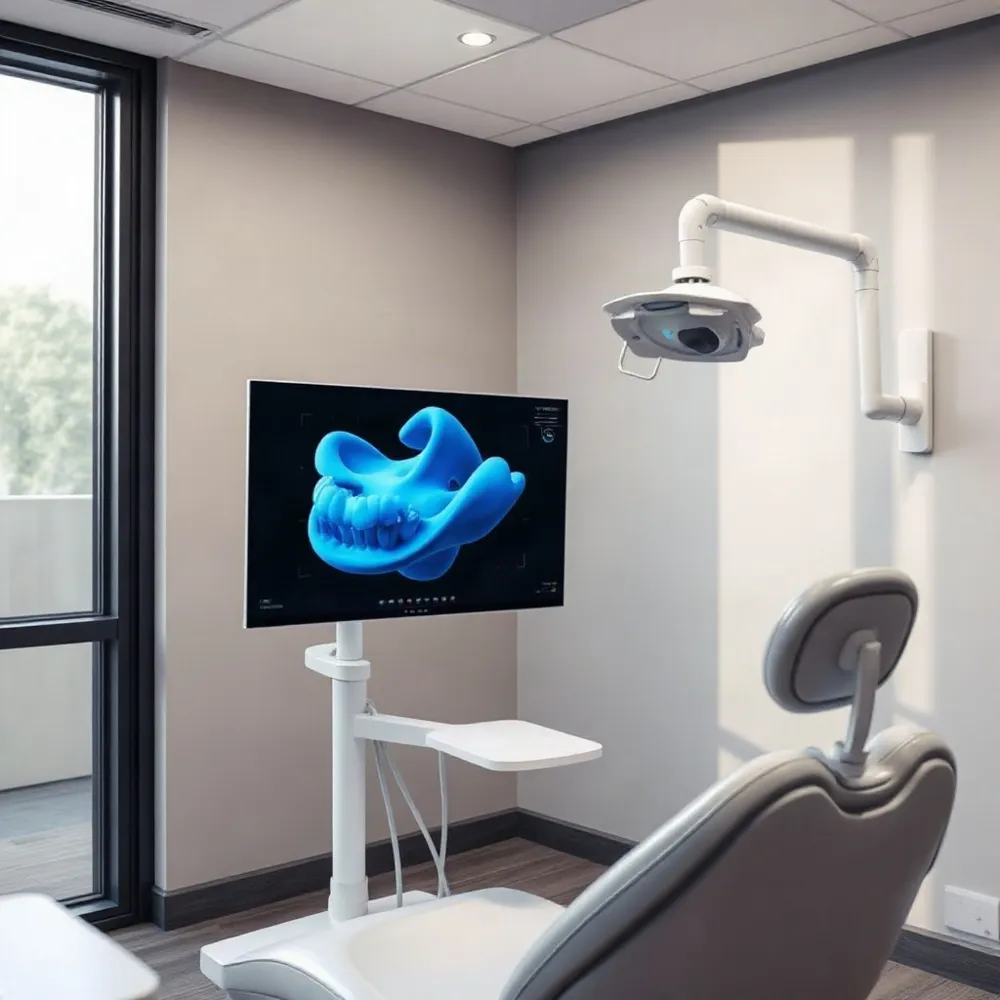 Dental X-rays and sedation are not automatic parts of a child’s first visit. For young children, imaging is generally reserved for a specific reason, such as checking for decay that cannot be seen during an exam. Stanford Children’s Health advises that X-rays should be avoided unless they are needed.
If imaging is suggested, ask what the dentist is looking for and what safety steps will limit exposure. The decision should reflect your child’s age, development, health history, and examination, rather than follow a routine schedule.
Sedation or anesthesia may be appropriate for some treatment, but the choice depends on the child’s health and age, the procedure, and the medication. Share your child’s medical history, medications, and any breathing or other health concerns. Ask about benefits and risks, who will provide the medication, how your child will be monitored, and what to do before and after care. Some children may need extra precautions or a specialized setting.
At 3D Dental, families can discuss concerns with the team and receive gentle, individualized care. Asking questions helps you understand why an option is being considered and decide what feels appropriate for your child.
Celebrate Small Steps Toward Confidence
A successful first visit does not depend on a child sitting perfectly still or feeling completely fearless. A little curiosity, a brief look around, or simply meeting the dental team can be a worthwhile start. At 3D Dental, gentle, personalized care helps families make room for each child’s pace.
Keep sharing your child’s questions, worries, and changing needs with the dentist, and ask what approach may help at the next visit. Follow the schedule your dental professional recommends, since children’s needs can differ. With patient support and positive experiences, confidence can grow over time.