Planning With Your Whole Smile in View
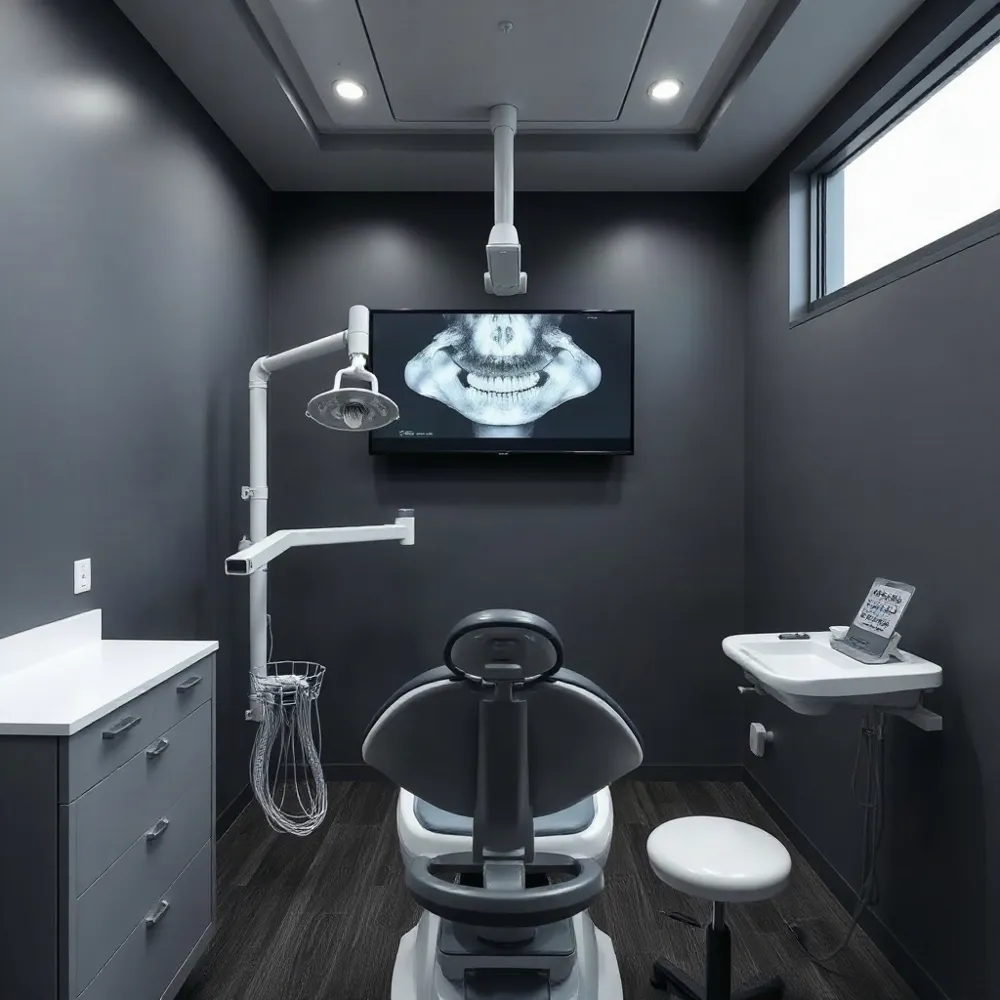
A smile makeover is about more than the teeth visible in a photograph. Your dentist may also consider how your teeth, roots, gums, and jaw fit together. Three-dimensional imaging can provide a broader view of these structures, helping the dental team discuss treatment options with your oral health in mind.
Imaging is one planning tool, not a requirement for every patient or a promise of a particular result. The right approach depends on your needs and the procedures being considered. At 3D Dental in Mastic, modern imaging and diagnostics support personalized care, while the dentist can explain what a scan may show and answer questions before you decide.
If you feel uneasy about dental scans or are unsure why one might be recommended, say so. A calm conversation can clarify the process, address your concerns, and help you weigh your options at a comfortable pace.
What Three Dimensional Imaging Shows
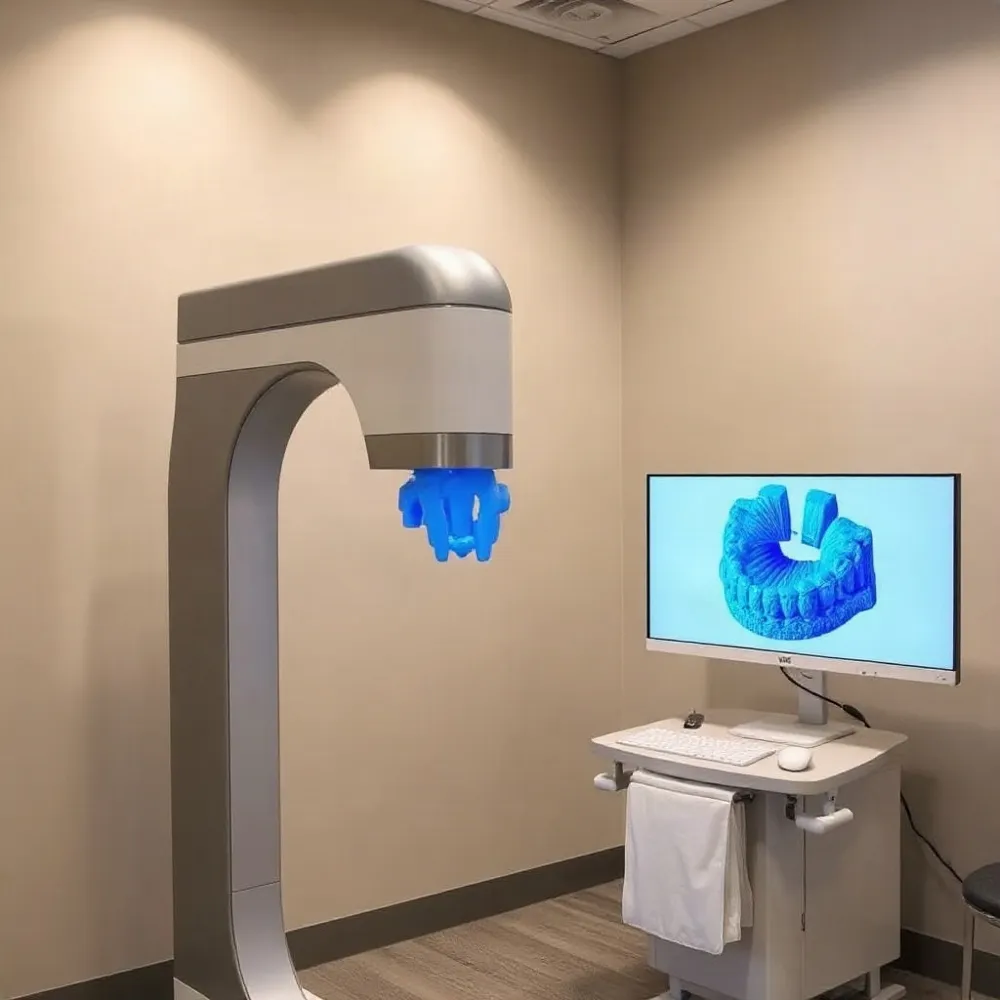 Dental 3D imaging uses an X-ray scanner to build a three-dimensional view of the teeth, jawbone, and nearby structures. Unlike a conventional dental X-ray, which shows a flat image, a 3D view gives the dentist another way to assess how parts of the mouth fit together.
The dentist can rotate and enlarge the image, then examine it from different angles. This can help show the relationship between teeth and roots, bone, gums, nerves, and other nearby structures, which may matter when planning a smile makeover that includes restorative or surgical care. At 3D Dental in Mastic, modern imaging is part of the practice’s diagnostic approach, with findings considered alongside a personal examination.
The added perspective may help investigate concerns that are difficult to assess on standard images, such as complex tooth roots or a suspected problem beneath the surface. It does not replace a clinical examination or the dentist’s judgment, and it cannot guarantee that every concern will appear on a scan.
A dentist may consider 3D imaging when planning an implant or oral surgery, evaluating complex roots, or checking a specific concern. It is not necessary for every visit, and the scan type should match the question being investigated. Ask why a scan is being recommended and what information it may add to your care.
How Imaging Can Guide Smile Planning
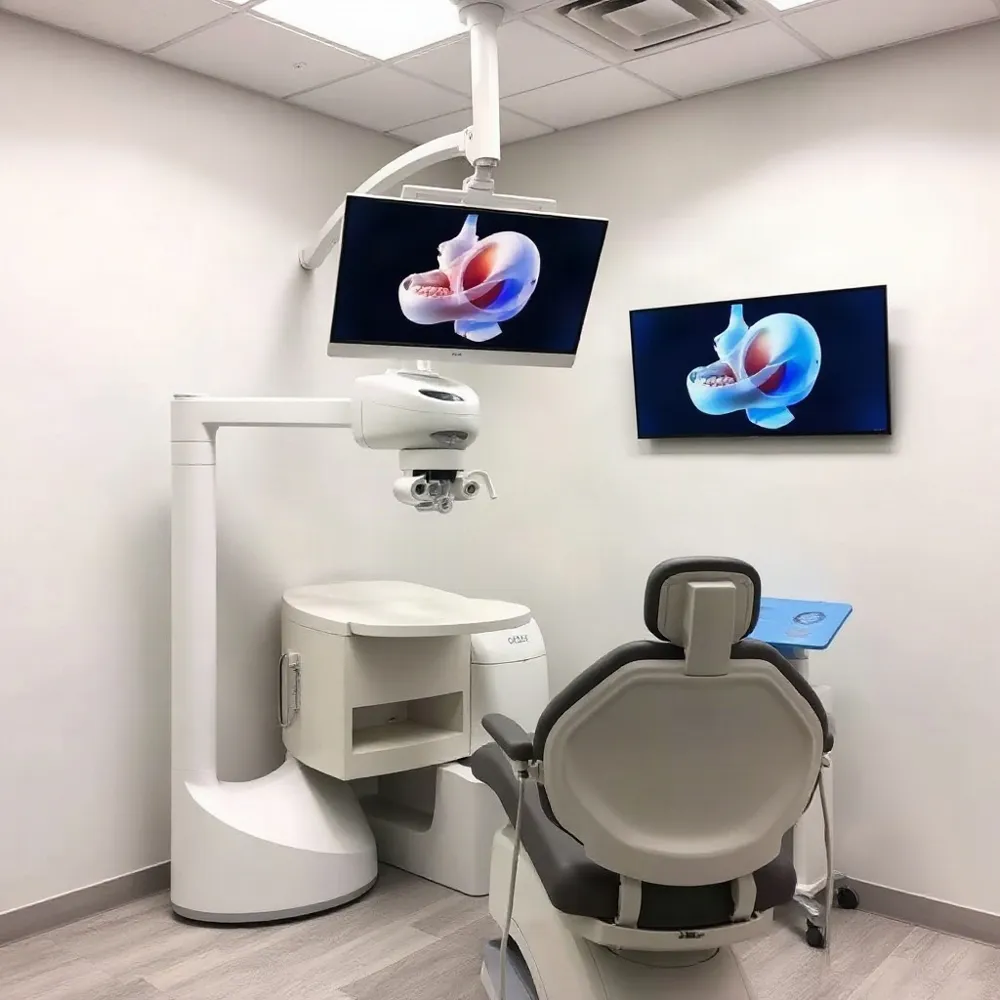 Planning begins with understanding the teeth and the structures that support them. A 3D view can help a dentist consider how those parts fit together before discussing which treatments may suit your oral health, priorities, and smile goals.
A makeover may involve whitening, bonding, veneers, crowns, fillings, implants, or orthodontic care. Not everyone needs the same combination. At 3D Dental, modern 3D imaging and diagnostics are part of the practice’s approach to assessing individual needs and discussing treatment options.
The added detail can be especially useful when a plan includes implants or complex restorative work. Seeing bone dimensions and the position of nearby structures can give the dentist information to consider when evaluating treatment. Imaging is one part of that assessment, not a promise of a particular result.
Digital models or simulations may also help make a proposed change easier to discuss. You can talk with your dentist about preferences such as shape, shade, and overall appearance, and ask questions about what you see. The goal is to make sure you feel informed and comfortable with the direction of your care before any treatment begins.
Understanding CBCT Benefits and Limits
Cone beam computed tomography, or CBCT, is a type of dental X-ray imaging that creates a three-dimensional view of the teeth, jaw, and nearby structures. A dentist can review this view from different angles, rather than relying only on flat images.
That added detail may help when a concern is complex or when treatment involves surgery. For example, before an implant, a dentist can use the images to assess the jawbone and the position of nearby anatomy. The scan can inform planning, but it cannot guarantee a particular diagnosis or result.
CBCT is not necessary for every dental question. A routine concern may be assessed with an exam and conventional dental X-rays, while a scan may be considered when the extra view is likely to affect care. CBCT uses ionizing radiation, and exposure may be higher than with routine dental X-rays. The amount depends on the equipment, settings, and area being scanned.
If your dentist recommends CBCT, ask what information the scan is expected to provide and how it could change the plan. The dentist should choose the smallest scan area and exposure that can answer the clinical question, and explain the reason for imaging in terms you understand. At 3D Dental in Mastic, modern 3D imaging is part of the practice’s diagnostic approach; your dentist can discuss whether a scan is appropriate for your individual needs.
What to Expect During a Scan
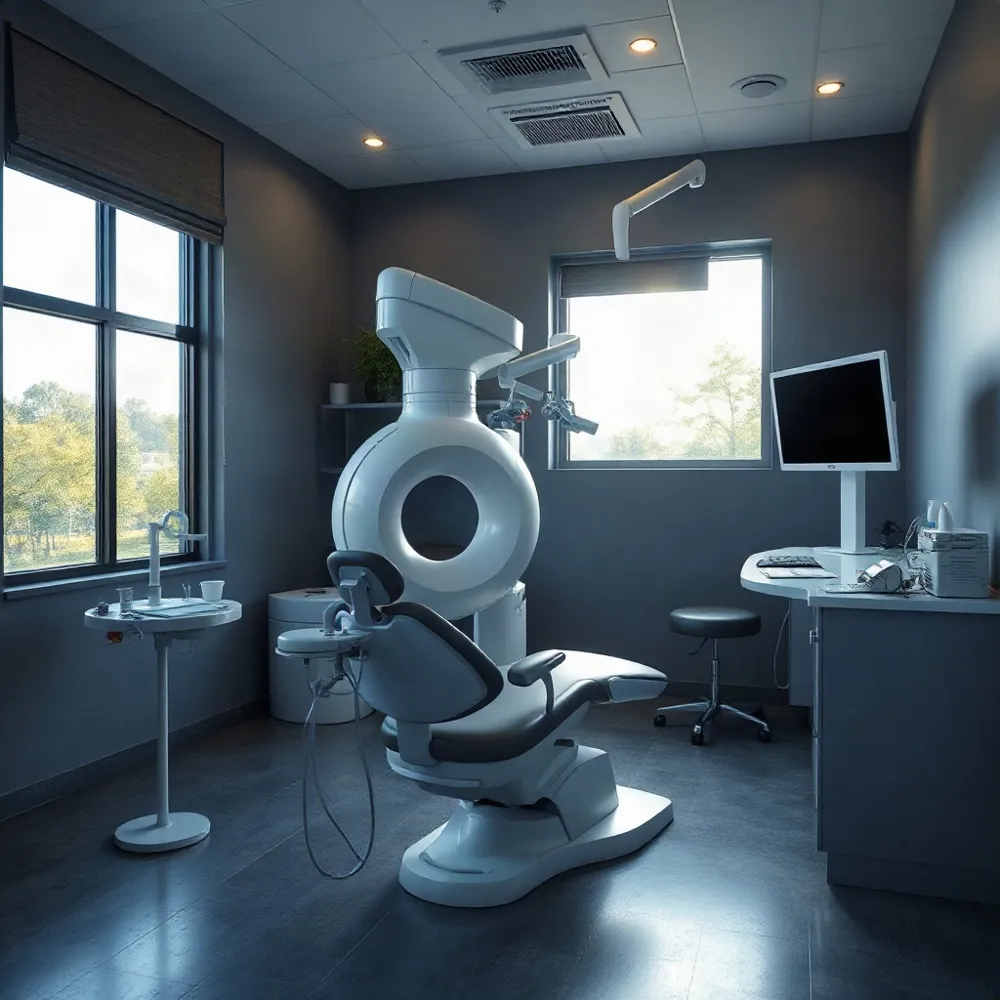
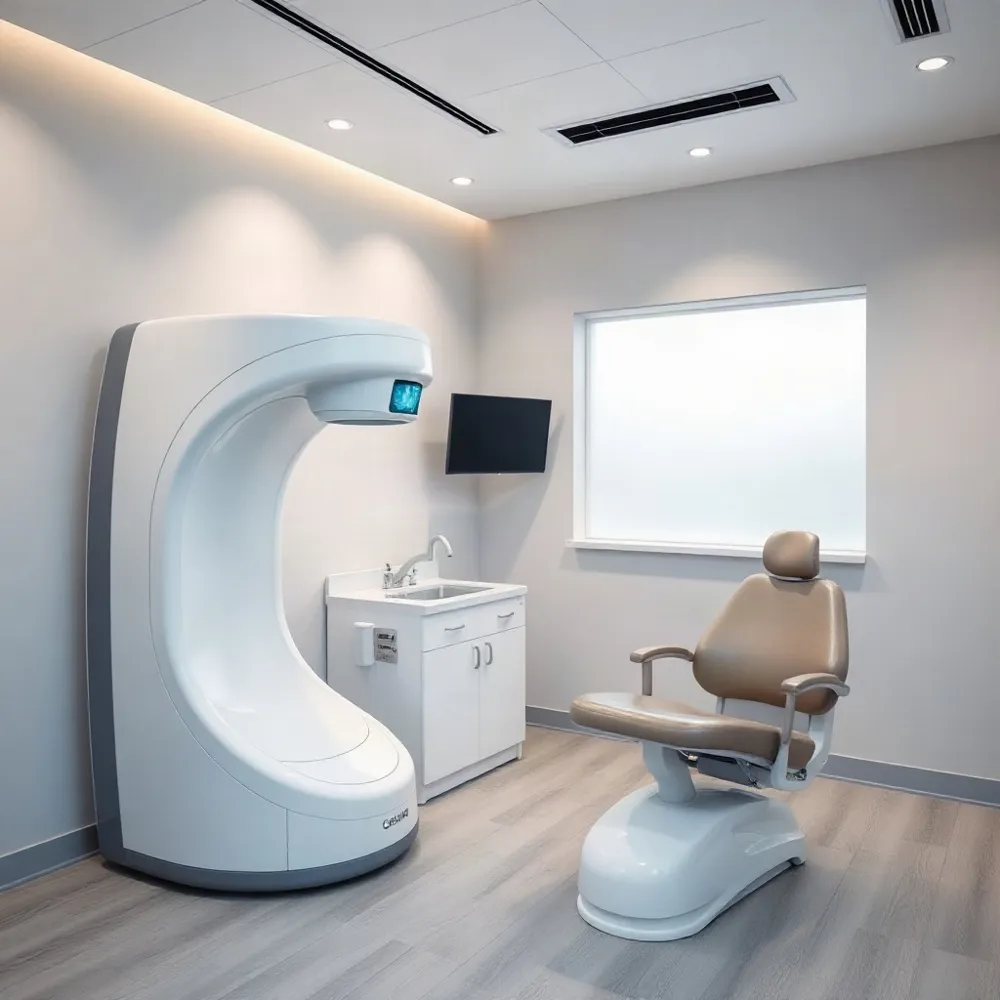 A 3D scan is usually a brief, straightforward appointment. The dental team will explain the steps, help position you, and make sure you are comfortable before the scanner starts.
How long does a 3D dental scan take? The scan itself often takes about 20 to 40 seconds, though positioning and preparation can add a few minutes. Timing varies with the equipment and the images needed. You will sit or stand still while the scanner moves around your head.
The scan is painless and does not require recovery time, although each person’s experience can differ. If you feel uneasy about remaining still or have another comfort concern, tell the team before the scan begins. At 3D Dental in Mastic, the practice’s gentle, personalized approach includes explaining care and listening to patient concerns.
You can ask why the scan is recommended, what it will help the dentist assess, and what you should expect during image capture. Clear answers can make the process feel more manageable and help you feel prepared before imaging starts.
Costs, Coverage, and Questions to Ask
Are 3D dental scans covered by insurance, and how much do they cost? Coverage may be available when a CBCT scan is considered necessary for diagnosis or treatment planning, but benefits depend on your plan and the reason for the scan.
Published U.S. estimates commonly place scan costs at about $150 to $600 overall. Smaller-area scans often fall around $150 to $350, while larger scans may cost $400 to $700 or more. These are general estimates, not a quote for 3D Dental. The actual charge depends on the scan recommended and your insurance benefits.
Before proceeding, ask the dental team to check your coverage and explain any expected out-of-pocket cost. At 3D Dental, patients can ask why imaging is being recommended and how its findings may inform their care, so they can consider the purpose and cost before deciding.
It can also help to confirm whether the estimate includes image review or any related consultation, and whether the office needs information from your insurer before the scan. If coverage is uncertain, ask what you may owe if the claim is not approved. Clear answers make it easier to plan without assuming that every scan is covered or that a general estimate applies to your visit.
A Smile Makeover Takes Individualized Timing
How long does a smile makeover take? It depends on the treatments in the plan and on your oral health. Some people complete care in a few weeks, while plans involving several procedures may take months.
Small changes can be relatively quick. Teeth whitening or dental bonding may fit into one visit or a few appointments, depending on the approach and your needs.
Veneers, crowns, and other restorative treatments generally involve multiple appointments. Your dentist may need time to prepare teeth, create restorations, and check the fit before final placement. If orthodontic treatment or gum care is part of the plan, or if healing is needed after a procedure, that can extend the schedule.
At 3D Dental in Mastic, Dr. Arvilli can discuss your goals, examine your teeth, and outline the likely steps before treatment begins. The office’s modern imaging can support planning when the clinical situation calls for it, while the examination and conversation help shape recommendations around your needs.
Ask which stages require separate visits, what may affect timing, and whether any steps can happen while another area heals. A clear plan helps you understand what to expect, and care can be arranged at a comfortable pace rather than rushed.
A Conversation Before a Confident Decision
A 3D image can add useful detail to smile makeover planning when your dentist believes it is appropriate. It is one part of a clinical assessment, not a promise of a particular result or a scan every patient needs.
Before deciding, ask what the scan is meant to clarify, whether another type of assessment could answer the same question, and how imaging may affect your treatment plan or timing. It is also reasonable to ask about expected costs and insurance coverage. At 3D Dental in Mastic, modern imaging is part of a practice that offers personalized care, and the dental team can explain recommendations in a calm, judgment-free setting.
Sharing what you hope to change, along with any concerns, gives your dentist a chance to explain options in terms that make sense to you. Clear discussion can support an informed choice, while the right treatment and its outcome depend on your individual oral health and goals.