Finding a Comfortable Dental Home
Choosing a dentist involves more than finding an office nearby. Families and individuals in Suffolk County may also weigh the care they need, how clearly the team communicates, whether visits feel comfortable, and how appointments and costs fit daily life. The American Dental Association describes a dental home as a trusted place for routine care, procedures, and emergencies (how to choose a dentist).
Regular visits can help a dentist notice concerns and discuss them before they become more involved. A lasting relationship also gives the team a chance to understand each patient’s history and changing needs. In Mastic, 3D Dental provides general, pediatric, restorative, and specialty care, with a bilingual Spanish-speaking team and gentle sedation options for patients who may feel uneasy.
Match Care to Your Household
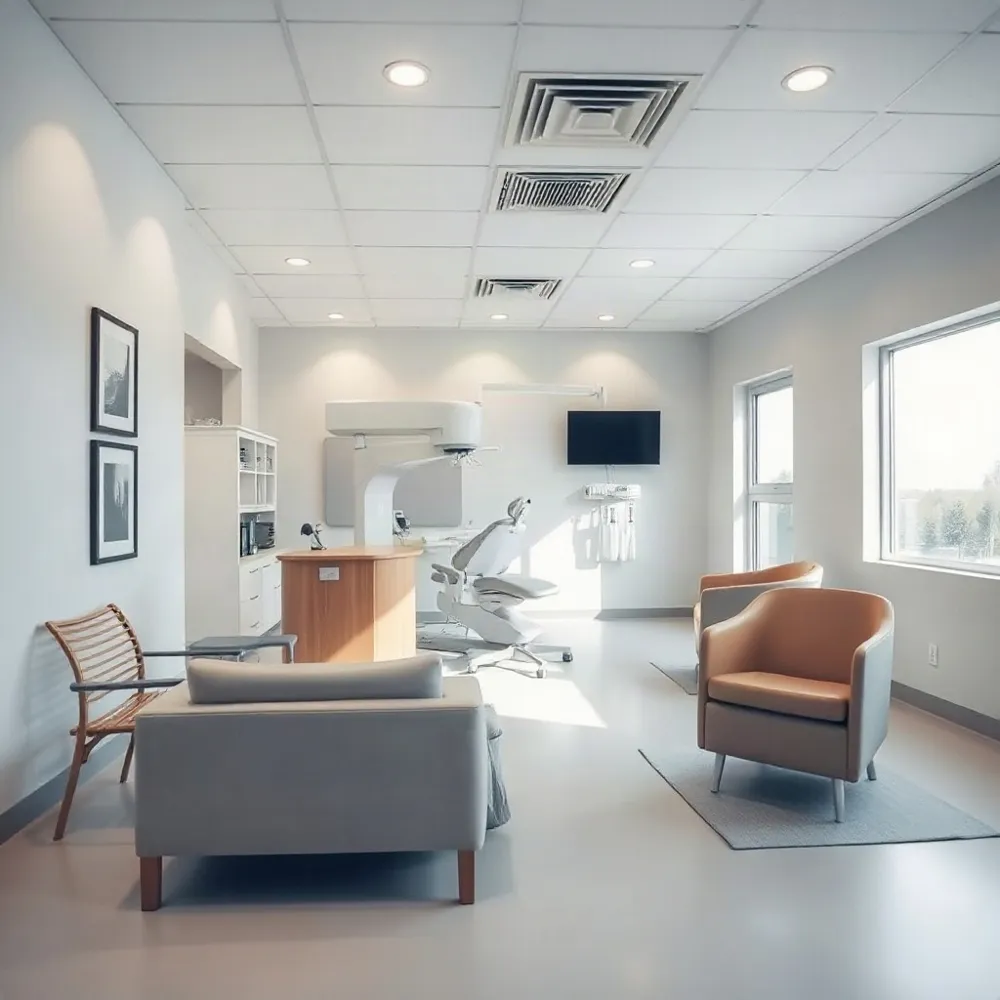 A good family dentist should fit the needs of the people who will actually use the practice. Ask whether it provides routine checkups and cleanings, care for children, and restorative or specialty services your household may need. The American Dental Association’s guidance on choosing a dentist encourages families to look for a trusted dental home that can support ongoing care.
When several family members can visit one office, coordinating appointments may be easier, and the dental team can build familiarity with each person’s history over time. A general dentist may care for many children, but a child with complex medical, developmental, or behavioral needs may benefit from a pediatric specialist. Ask how the practice handles needs beyond its usual services and whether it refers patients to specialists.
In Mastic, 3D Dental lists general, cosmetic, restorative, implant, periodontal, endodontic, oral surgery, and pediatric dentistry among its services. These are options to discuss with the practice, not a promise that every treatment is suitable for every patient. Ask whether the office is accepting new patients, what care it can provide for your family, and when a referral may be recommended.
A brief call can also help you assess whether the office communicates clearly, welcomes questions, and can accommodate your family’s scheduling, insurance, language, and comfort needs. If someone feels nervous about dental visits, ask what support is available before booking.
Look for Trust and Clear Explanations
 A good conversation with a dentist should leave you feeling heard, respected, and free to ask questions. An introductory visit can help you see whether the dentist listens carefully and explains concerns without judgment. The American Dental Association recommends discussing past dental experiences and anxiety, and checking that your questions are answered before choosing a dentist (ADA guidance on choosing a dentist).
Share any worries, past experiences, or language needs openly. 3D Dental in Mastic offers a calm, judgment-free approach, gentle sedation options, and a bilingual team that speaks Spanish. These details can help patients explain what makes a visit easier for them.
What should I ask a dentist before agreeing to treatment?
Ask what concern the treatment addresses, why it is recommended, and whether there are alternatives or an option to monitor it. Find out what the procedure involves, how many visits may be needed, what comfort or sedation options are available, and what recovery and follow-up may involve. Ask about expected results, risks, how long results may last, and the full estimated cost, including related procedures and likely insurance coverage. You can take time to consider the plan before deciding.
What are potential red flags when choosing a dentist?
Be cautious if you feel pressured to agree without a clear explanation, cannot get answers about alternatives, or receive unclear cost information. Repeated reviews describing rushed visits or unanswered questions may be worth asking about, but one person's account does not tell the whole story. Ask the practice directly about cleanliness and safety procedures if those are concerns. You should have time to consider your choices and feel comfortable raising questions.
Check Access, Insurance, and Costs
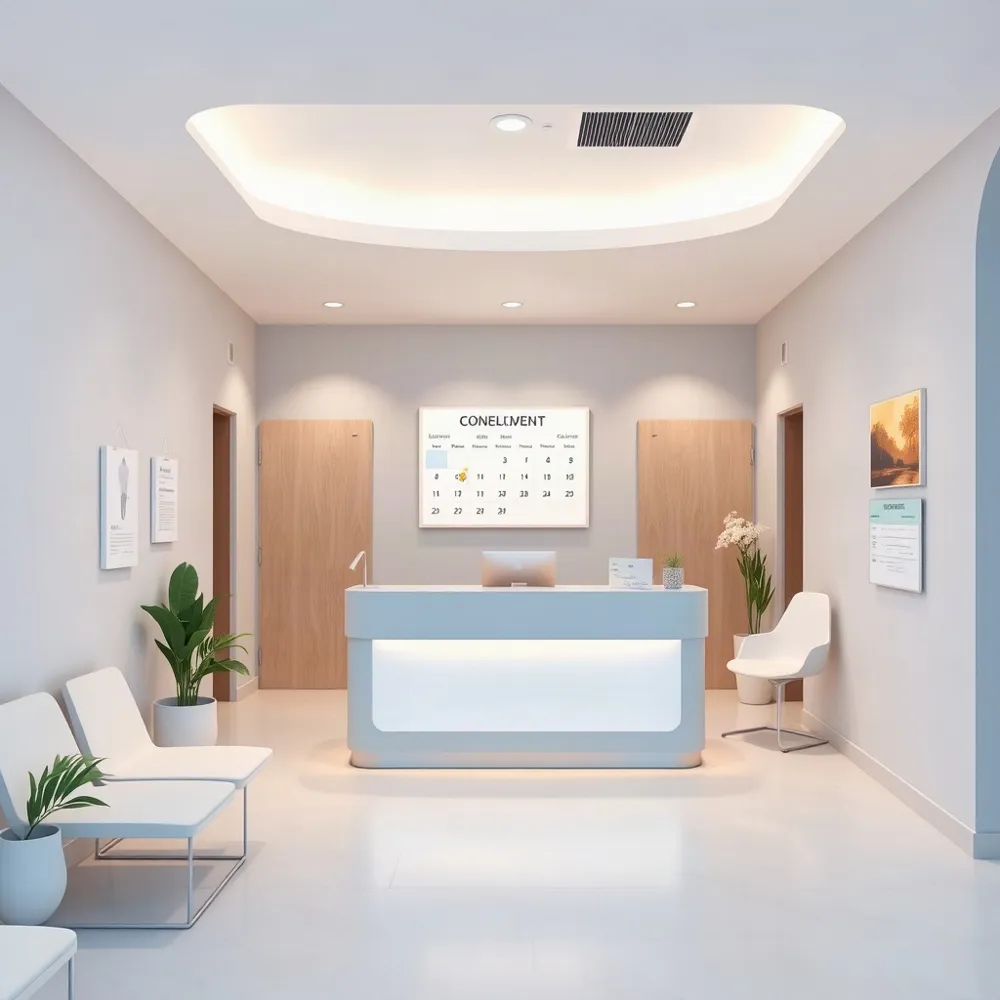 A convenient location matters, but so do hours that fit around work, school, and family responsibilities. When calling a practice, ask whether it is accepting new patients, how soon routine appointments are available, and what to do if a dental problem cannot wait for the next opening.
The practice description for 3D Dental reports same-week appointment slots and same-day emergency care. Availability can change, so confirm current openings and ask how urgent visits and after-hours concerns are handled.
How can I find a dentist who accepts my dental insurance?
Start with your insurer’s dentist directory or call the number on your member ID card. Then contact the dental office with your exact plan details to confirm participation and that your coverage is active. Before booking, ask whether the care you need may be covered and what you might owe, since benefits and costs vary.
3D Dental reports broad insurance acceptance, but that does not mean every plan or service is covered. Confirm your specific plan directly with the office and request an estimate of your share before treatment. The American Dental Association’s guide to choosing a dentist also recommends checking benefit participation and asking about payment options.
If you do not have dental benefits or cost is a barrier, the ADA suggests asking a local health department or nearby dental school about care options. The federal Insure Kids Now dentist finder can help families locate dentists who accept Medicaid or the Children’s Health Insurance Program.
Compare Technology and Preventive Care
Preventive visits give a dentist a chance to check teeth and gums, provide a professional cleaning, and notice changes that may need attention. The American Dental Association recommends asking how a practice supports prevention and explains findings as part of choosing a dentist (ADA guidance on choosing a dentist.
When comparing offices, ask which diagnostic tools the team uses and how they help assess your oral health or plan treatment. Imaging can add useful information, but it does not replace the dentist’s examination and judgment. At 3D Dental in Mastic, modern 3D imaging and diagnostics are available; families can ask the team to explain what a scan shows and whether it is relevant to their care.
Recommendations from friends or relatives can offer a helpful starting point. Online reviews may also reveal recurring comments about communication, comfort, and staff interactions. Treat them as one perspective, since each patient’s needs and experience differ. For families seeking care for children through adults, 3D Dental provides a range of dental services in one practice, with diagnostics that the team can discuss during a visit.
Choose With Confidence
A good dental fit brings together the services your household needs, respectful communication, practical access, clear cost information, and a care team that helps you feel at ease. The American Dental Association recommends looking for a dentist who can serve as a trusted long-term dental home, including for routine visits and urgent concerns.
Before deciding, call or arrange a consultation. Ask about your questions, bring relevant dental records, and notice whether the team listens and explains things clearly. In Mastic, 3D Dental offers care ranging from general and pediatric dentistry to restorative and specialty services, along with a Spanish-speaking team and gentle sedation options.
Give yourself time to compare practices rather than choosing on convenience alone. The right choice is personal, and a comfortable relationship with your dentist can make it easier to seek care as your needs change.