A Clearer Way to Plan Care
Planning a dental visit is easier when you have a general sense of what your insurance may contribute and what you might owe. For families and adults in Mastic and across Suffolk County, checking benefits before an appointment can help make costs feel more predictable and leave more room to focus on care.
Dental plans differ in what they cover, how often services are allowed, and what patients pay. A plan summary is a useful starting point, but it is not a guarantee that a particular service will be covered. If you have New York State employee dental coverage, for example, NYSHIP’s dental benefit guidance notes that benefits depend on the employer and negotiating group, and directs members to their plan certificate for full details.
Before a routine visit, review your plan documents or contact your insurer about covered services, network rules, and any costs you may share. You can also bring your insurance card and questions to your appointment. The team at 3D Dental in Mastic can discuss your treatment plan and help you understand the information available, while your insurer confirms the terms of your policy.
Insurance can help guide budgeting, but it should not be the only factor in deciding when to receive care. Discuss your dental needs with your dentist, ask about options and expected costs, and schedule routine visits at a pace that supports your health.
Understand What Your Plan May Cover
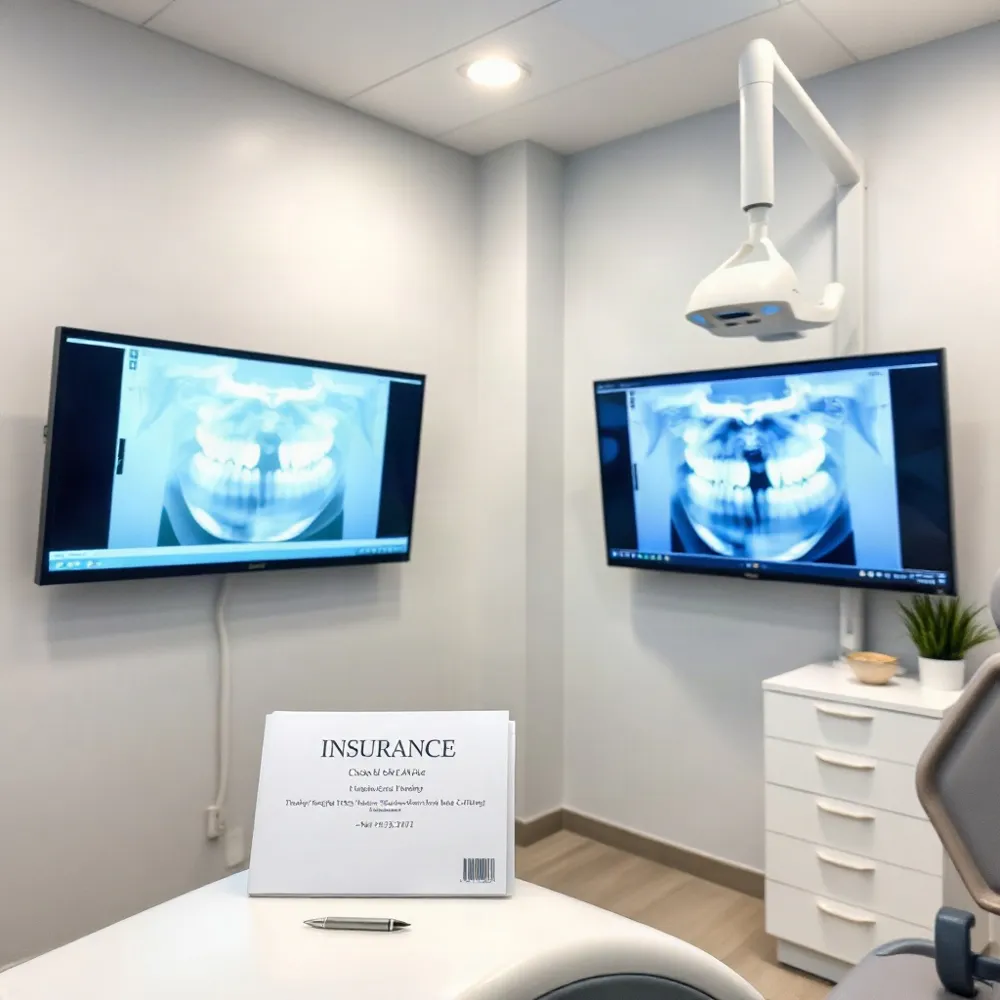 Dental insurance often helps pay for routine preventive care, including exams, cleanings, and X-rays. Many plans also contribute toward fillings, extractions, root canals, or gum treatment, as well as major services such as crowns, bridges, and dentures. These are common categories, not a promise of coverage: plans may classify a root canal differently or pay different shares for the same procedure. The National Association of Dental Plans’ overview of dental benefits explains these general categories and notes that policy terms determine the details.
Your policy may cover preventive care differently from restorative treatment. A deductible, copay, coinsurance, or annual benefit limit can affect what you owe, even when a service is covered. Plans may also set limits on how often you can receive a cleaning, exam, or X-ray. Check the benefit booklet for those rules and for any waiting period before coverage begins.
What services or costs might not be covered?
Implants and cosmetic treatments such as whitening may be excluded or covered only in specific circumstances. Major care may also be only partly covered, leaving you responsible for a share of the cost. Network rules matter too: your plan may pay differently depending on whether the treating dentist participates in its network. Avoid assuming a procedure is covered or excluded based on its name alone; the policy’s definitions, limits, and exclusions control.
Before scheduling treatment, review your plan documents or call the insurer to ask how the proposed service is classified, what limits apply, and what your estimated share may be. The American Dental Association’s guide to using dental benefits also recommends confirming benefits with your plan and dental office. At 3D Dental in Mastic, the team can discuss available benefit information and help you understand an estimate, while your insurer and governing plan documents determine coverage. The practice’s guide to understanding dental insurance benefits in New York offers another place to review plan terms before care.
Know Your Deductible and Annual Limit
A deductible and an annual maximum affect different parts of your dental bill. Knowing how each works can help you ask clearer questions before planning care, while your plan documents remain the final guide to coverage.
What is a dental insurance deductible, and how does it work?
A deductible is the amount you generally pay toward eligible dental care before your plan begins sharing costs. Some plans waive the deductible for certain preventive services, such as exams or cleanings, while others apply different rules. Plans may also have separate deductibles for family members or types of care, so check what counts and when the deductible resets.
If your plan has a deductible, you may need to meet it before coinsurance applies to covered treatment. The exact amount you owe depends on the procedure, your coverage, and whether the dentist is in network. At 3D Dental in Mastic, the team can help you review the benefit information available to the office, but your insurer can confirm how your plan applies it.
What does an annual maximum mean for dental insurance?
An annual maximum is the most your insurer will pay toward covered dental services during a benefit period. That period may follow the calendar year or use different dates. As the insurer pays claims, the remaining maximum usually decreases. Once the limit is reached, you may owe the cost of additional covered care until the benefit period renews, depending on your plan.
An annual maximum is not an out-of-pocket maximum. It limits the insurer’s contribution, not necessarily the total amount you might spend yourself. Also, plans differ on whether preventive and diagnostic services, including cleanings, exams, and X-rays, count toward the annual limit. The National Association of Dental Plans’ overview of dental benefits explains common plan structures while noting that specific benefits depend on each policy.
Before scheduling treatment, check your benefit period, current remaining balance, and which insurer payments count toward the maximum. You can look in your insurer’s member account, call the number on your insurance card, or review your benefit booklet. If you are planning routine care, the American Dental Association’s guidance on using dental benefits also recommends confirming coverage with your dentist’s office and benefits provider.
An online estimate or office estimate can help with budgeting, but it is not a guarantee of what your plan will pay. For families and adults in the Mastic area, 3D Dental’s team can discuss the proposed care and information available about your benefits; only your insurer can confirm how claims will be processed under your specific plan.
Prepare for Costs Before Your Visit
Will I need to pay for dental care upfront if I have insurance? Not necessarily. Whether you pay at your visit or after a claim is processed depends on your plan, the treatment, and the office’s billing process. You may be asked to pay an estimated share before care begins, but the timing and amount can vary.
Possible costs include a deductible, a fixed copay, or coinsurance, which is your percentage of a covered service. You may also owe the full cost of a service your plan excludes, or costs that remain after the insurer has paid its annual maximum. Your policy determines how these amounts apply, so check its terms rather than assuming a service will be covered.
Network status can affect what you pay. Confirm that the specific dentist treating you participates in your plan’s network, both with your insurer and the dental office. For members of the New York State Dental Plan, participating providers generally cost less than out-of-network care, but individual benefits and costs depend on the plan details.
Before treatment, ask the office what benefit information it can check, whether it can provide an estimate, and when payment may be expected. At 3D Dental in Mastic, raising cost concerns early gives the team a chance to explain what is known and discuss your questions in a calm, patient-focused way.
An estimate is a planning aid, not a promise of what your insurer will pay. The insurer reviews the claim after treatment, and its final payment may differ from the estimate, leaving a different balance. For this reason, ask how the office handles any amount due after the claim is processed, and contact your insurer if you need clarification about your benefits.
Clear cost conversations can help you understand your choices and plan for care without feeling rushed. Share any budget concerns before treatment so the team can explain expected charges and timing. You can then make an informed decision while keeping your dental needs and your plan’s rules in view.
Check Coverage for Implants and Waiting Periods
 Does dental insurance cover implants, and is there a waiting period? It may cover part of implant treatment, but benefits differ by plan. Some policies contribute toward an implant crown or related services, while others limit or exclude implants. The National Association of Dental Plans notes that implant benefits may be included as major care, with plan-specific limits, so review your policy rather than assume coverage.
Waiting periods may also affect when coverage begins. Some plans apply them to care beyond preventive services, including certain major or surgical procedures; others have different rules or no waiting period. Check the policy for covered implant components, exclusions, waiting periods, frequency limits, and your remaining benefit balance. The New York State Dental Plan directs members to its certificate for the complete list of covered services.
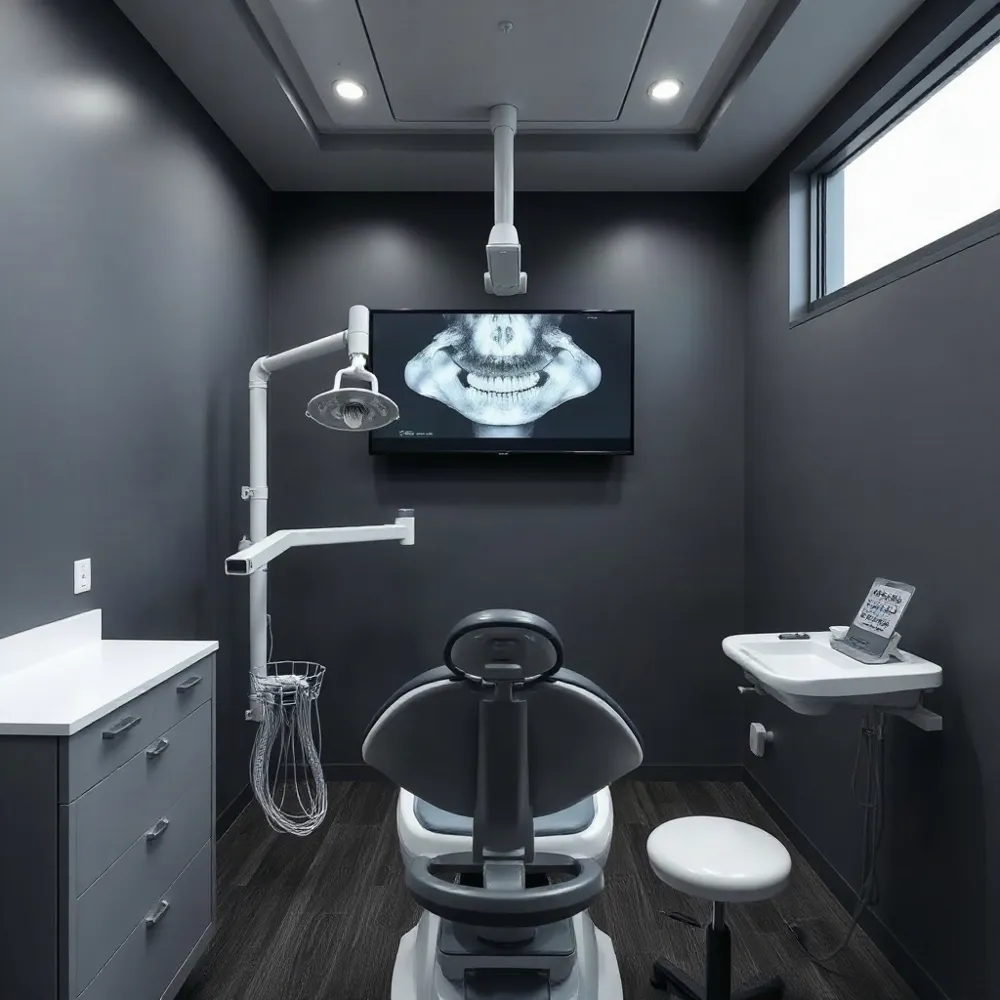
Before making plans, ask your insurer how it classifies the proposed treatment and whether the specific dentist and services meet the plan’s requirements. At 3D Dental in Mastic, the team uses modern 3D imaging and diagnostics to support treatment planning, and can help patients understand the proposed care and prepare questions about costs.
You can also ask the insurer or dental office to request a pre-treatment estimate. It offers an indication of how the insurer may process the proposed services, but it is not a promise of payment or a guarantee of your final cost. Actual payment can depend on plan terms, eligibility, and the care provided.
Use insurance details to plan, not to postpone care that your dentist recommends. If you are unsure about timing or costs, discuss your options with the dental team and insurer. 3D Dental offers same-week appointments and same-day emergency care, helping local patients ask questions and address urgent needs without waiting for a benefit-year strategy.
Bring the Details You Have
What should you do if you do not have your dental insurance card? Call the dental office before your visit and explain that the card is missing. You can still share any information you have, even if you are unsure whether it will be enough to identify your plan.
Useful details may include the patient’s full name, date of birth, policyholder’s name, and member or group number. At 3D Dental in Mastic, the team can try to review available benefit information, but these details may not be enough to confirm eligibility or coverage. You can also contact your insurer to request a digital card or ask how to access your plan information.
Tell the office and insurer if your coverage has recently changed, or if the policyholder has changed jobs. These updates can affect which plan is active or how benefits are administered. The New York State Dental Plan, for example, directs members to check the plan certificate and provider information for details. That guidance applies to the plan described, so check your own documents for the rules that apply to you.
The office can help you organize the details you have and review available benefit information before your appointment. For a broader guide to checking plan terms, see how to understand dental insurance benefits in New York. Your insurer remains the source for confirming policy terms, coverage, and payment, so contact them if anything is unclear. Sharing what you know ahead of time can help the visit feel more prepared, even without the card.
Make Routine Care Part of Your Plan
 Routine visits are easier to plan when you know how often your plan covers exams, cleanings, and any recommended X-rays. Check the frequency rules, when your benefit period begins and ends, and whether your dentist is in network. Then ask what you may owe, since coverage and costs depend on your specific plan.
The ADA’s guidance on using dental benefits encourages patients to review benefit deadlines and discuss care with their dentist. Your plan documents and insurer determine your actual coverage, so use general guidance as a starting point rather than a promise of payment.
At 3D Dental in Mastic, families can discuss routine care with a team that provides general and pediatric dentistry. Modern imaging and diagnostics can help the dental team assess what they see and explain recommended next steps; they do not determine what insurance will cover.
An oral examination may include looking beyond the teeth, such as checking the mouth, throat, and tongue. Regular visits give you and your dentist a chance to discuss changes or concerns, without guaranteeing that a particular problem will be found or prevented. A calm, judgment-free approach and bilingual team can help families feel more at ease asking questions.
Schedule routine appointments in line with clinical advice and your plan’s terms. If a visit or follow-up treatment is recommended, ask the dental team and insurer about timing and likely costs, but do not delay care that your dentist advises simply to fit an insurance deadline.
Take the Next Step With Confidence
Before an appointment, review your plan’s preventive benefits, deductible, annual maximum, exclusions, and network rules. These details can shape what you pay, so confirm the terms in your own policy rather than relying on general descriptions. The National Association of Dental Plans’ overview explains common benefit categories and why coverage varies by plan.
If you are unsure how a recommendation may affect your budget, ask your dental team to talk through the proposed care and likely costs. At 3D Dental in Mastic, the team uses modern 3D imaging to support treatment planning and offers a calm, judgment-free setting where patients can raise questions, including in Spanish.
For help understanding a plan summary or estimate, bring the information you have and ask what still needs confirmation. The office can discuss the proposed care, but your insurer is the source for final benefit details. You can also review your plan’s certificate and provider network guidance for NYSHIP dental members, if that applies to your coverage.
Confirm coverage and expected costs with your insurer before treatment, and let your dental needs guide decisions about timing. Routine visits and follow-up care should be planned around your health, not insurance rules alone. A clear conversation can help you make the next appointment with greater confidence.